How Athletes Can Align High-Intensity Training Sessions With Circadian Rhythms for Faster Recovery
You recover faster when you train in the late afternoon or early evening because your body temperature peaks then, boosting muscle elasticity and performance. Circadian rhythms enhance hormone balance, cellular repair, and nutrient uptake at this time. Evening workouts align with natural growth hormone release and better post-exercise nutrition timing, speeding glycogen replenishment and reducing soreness. For best results, schedule high-intensity sessions 4–6 hours after waking and prioritize sleep afterward-there’s more to how timing reshapes recovery.
Notable Insights
- Schedule high-intensity training in the late afternoon when core temperature and neuromuscular function peak for optimal performance and reduced injury risk.
- Align workouts with natural hormone rhythms by training 4–6 hours after waking to leverage rising cortisol and testosterone levels.
- Prioritize sleep in a cool, dark room to enhance melatonin and support overnight growth hormone release critical for muscle recovery.
- Consume protein and carbohydrates shortly after evening training to boost glycogen resynthesis and muscle protein synthesis during peak repair windows.
- Support circadian-driven cellular repair by maintaining consistent sleep-wake cycles and timing workouts to align with circadian peaks in autophagy and gene expression.
Why Your Body Recovers Better at Certain Times

Why does your body seem to heal faster after a late-day workout than an early-morning one? It likely comes down to sleep quality and nutrient timing. When you train later, your body enters recovery during sleep, when growth hormone release peaks-boostCached tissue repair. Evening workouts may align better with natural hormone cycles, supporting deeper, more restorative rest. Plus, you’re probably eating soon after training, allowing ideal nutrient timing: protein and carbs consumed post-exercise enhance muscle glycogen resynthesis and reduce soreness. In contrast, morning sessions often happen before proper fueling, limiting immediate recovery. While fitness gear like compression wear may aid circulation, it can’t compensate for poor recovery windows. You’ll get better long-term results when your training schedule supports biological advantages. Smart timing isn’t a shortcut-it’s using physiology to maximize your effort efficiently.
How Circadian Rhythms Impact Muscle Repair and Performance
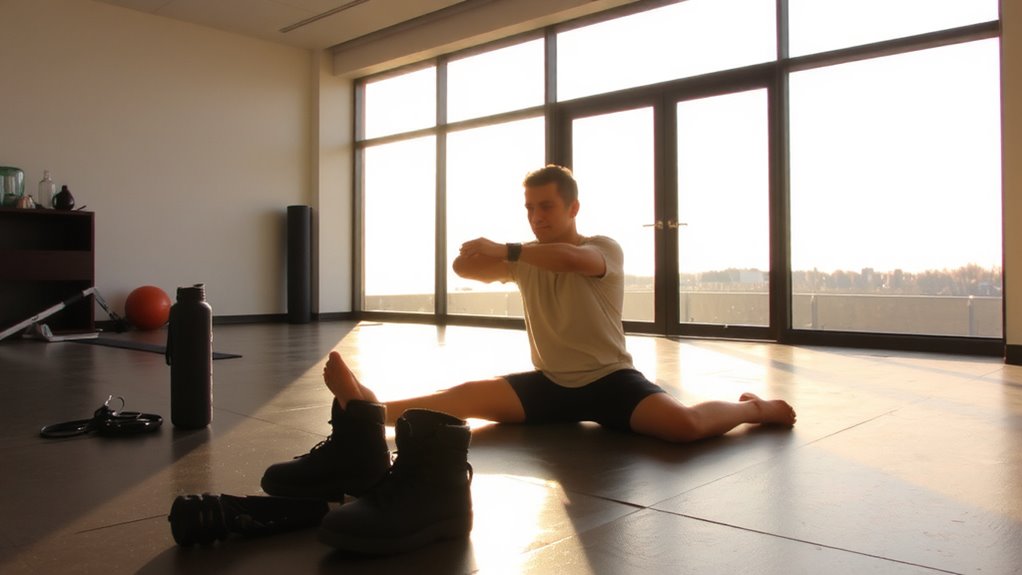
Your body’s internal clock isn’t just tracking time-it’s fine-tuning your strength, endurance, and recovery on a daily cycle. Circadian rhythms regulate key processes like genetic expression, timing when muscle-repair genes activate most efficiently. This means your body isn’t just passively healing-it’s following a biological script that boosts repair during specific windows. Cellular autophagy, the process that clears damaged proteins and organelles, also follows this rhythm, peaking at night to optimize tissue quality. When rhythms are disrupted, recovery slows and performance dips. Aligning training with these natural cycles enhances adaptation, giving you more from each session. While fitness gear can track output and monitor fatigue, it can’t override mistimed effort. Smart athletes respect their biology-supporting circadian health improves both repair and readiness. Genetics shape part of the picture, but timing your recovery behaviors amplifies results.
Best Time of Day to Schedule High-Intensity Workouts
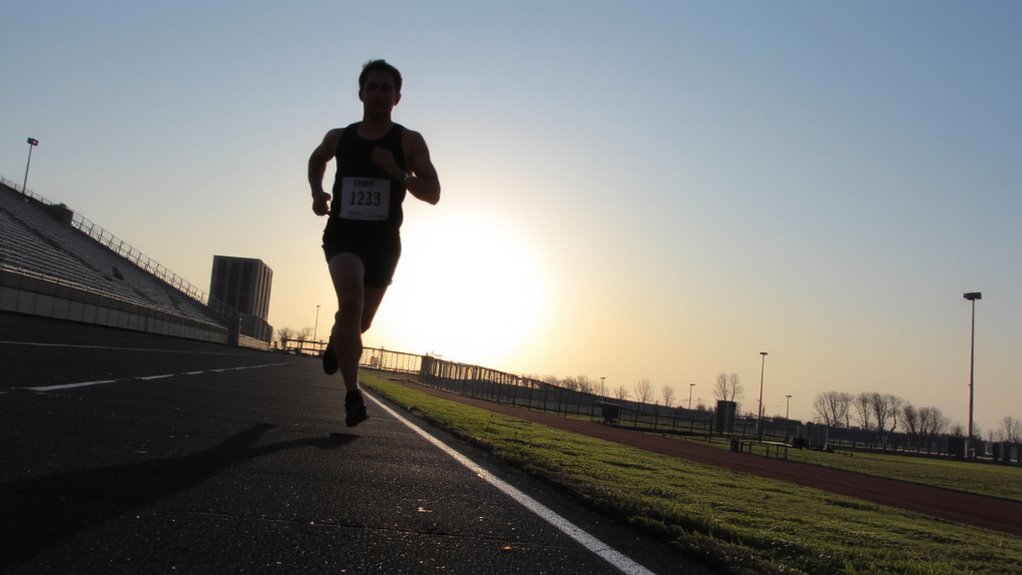
Body temperature and neuromuscular function typically rise through the morning and peak in the late afternoon, creating a favorable environment for high-intensity efforts. You’ll likely find it easier to lift heavier and sprint faster during this window, especially with enhanced evening resistance. While morning flexibility can aid mobility work, it may not translate to peak power output. Training too early might demand more warm-up time to reach ideal performance. Here’s a quick comparison:
| Time of Day | Performance Level | Recovery Onset |
|---|---|---|
| Morning | Moderate | Slower |
| Afternoon | High | Moderate |
| Evening | Very High | Faster |
| Late Night | High | Variable |
Evening sessions align well with circadian-driven physical peaks, supporting quicker recovery. Yet, personal schedule and sleep hygiene matter-what works in the lab isn’t always practical. Choose consistency, but let biology guide intensity.
Syncing Training With Body Temperature and Hormone Peaks
Although circadian rhythms influence more than just sleep, you’ll get the most out of your training by aligning it with natural shifts in body temperature and hormone levels throughout the day. Core temperature typically peaks in the late afternoon, enhancing muscle elasticity and reducing injury risk-ideal for high-intensity sessions. Chronobiology research shows this window coincides with elevated cortisol and testosterone, supporting strength and performance. Training at this time promotes metabolic synchronization, improving energy utilization and recovery. You’ll notice better power output and mental focus when workouts align with these physiological highs. Since hormone flux affects repair and adaptation, mistimed training may disrupt recovery, even with ideal gear. Though modern fitness trackers help monitor readiness, syncing effort with internal rhythms beats relying solely on external tools. This natural alignment doesn’t replace quality recovery equipment, but it amplifies its effects-making timing a crucial component of elite performance and long-term training success.
Practical Tips to Align Your Routine With Your Biological Clock
Evening performance peaks aren’t just for elite athletes-timing your training to match your body’s natural cycles can make a measurable difference in output and recovery. To optimize results, align your routine with circadian cues like core temperature and hormone activity. Consistent sleep quality enhances repair processes, so aim for 7–9 hours with minimal light exposure before bed. Meal timing also plays a key role-consume most carbohydrates post-training to support glycogen replenishment. Recovery can be further accelerated by using targeted tools such as best recovery bands to support muscle relief and circulation. Below are practical adjustments:
| Action | Benefit |
|---|---|
| Train 4–6 hours after waking | Matches rising body temperature and cortisol |
| Eat protein-rich meals every 3–4 hours | Stabilizes energy and supports muscle synthesis |
| Sleep in a cool, dark room | Boosts melatonin and improves sleep quality |
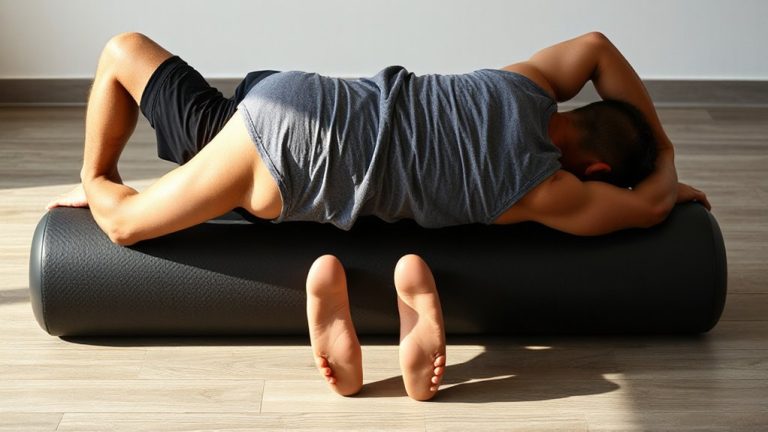
These small changes, when paired with proper recovery gear like compression wear and foam rollers, amplify adaptation and readiness.
On a final note
You’ll recover faster when high-intensity training aligns with your circadian rhythm. Peaking body temperature and cortisol levels in the late afternoon boost performance and reduce injury risk. Training then supports natural hormone cycles, aiding muscle repair. Fitness gear like compression wear and recovery trackers help monitor progress. Syncing workouts with biology, not convenience, maximizes adaptation. It’s not just effort-it’s timing, recovery, and smart tools working together.