Applying Pulsed Electromagnetic Field Therapy to Stimulate Bone Healing
You can use pulsed electromagnetic field (PEMF) therapy to speed bone healing by boosting cellular energy and ion flow, helping repair fractures more efficiently. It’s noninvasive, painless, and works best at 7.5–20 Hz for 30–60 minutes daily. PEMF supports conditions like nonunion fractures and osteoporosis by stimulating osteoblasts and improving calcium uptake. While safe for most, avoid it with pacemakers or during pregnancy-your next steps could depend on understanding these details.
Notable Insights
- PEMF therapy accelerates bone healing by enhancing ion flow and cellular metabolic activity at the fracture site.
- It stimulates osteoblasts and improves calcium uptake, supporting bone formation and repair.
- Effective for nonunion fractures, with clinical success rates of 70–80% when used consistently.
- Optimal treatment uses frequencies between 7.5–20 Hz for 30–60 minutes daily.
- Avoid PEMF if pregnant, using implanted medical devices, or undergoing immunosuppressive or cancer treatments.
How PEMF Helps Bones Heal Faster
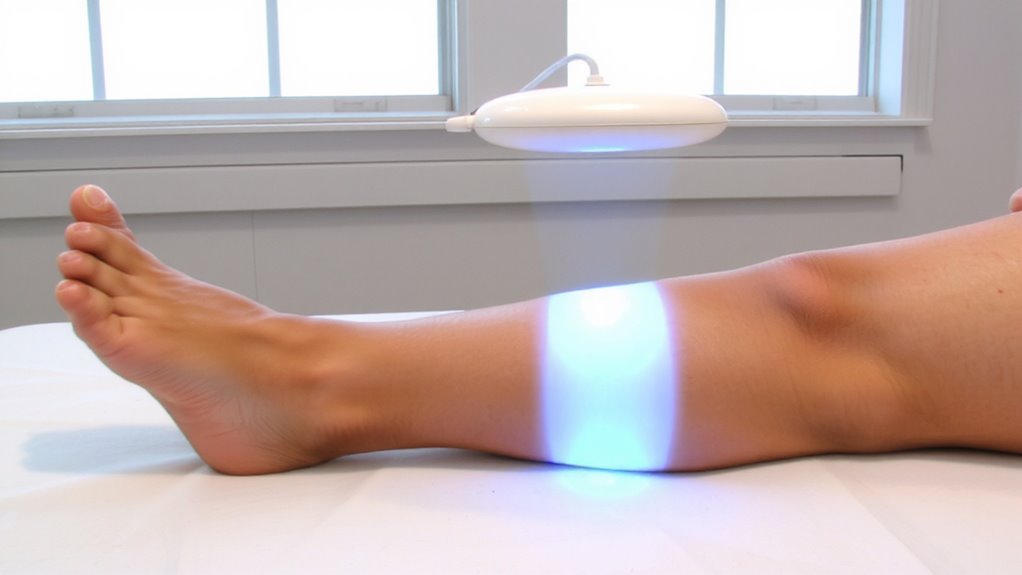
A subtle yet powerful force, pulsed electromagnetic fields (PEMF) work at the cellular level to speed up bone repair. You’re exposing your body to safe, targeted electromagnetic stimulation that triggers cellular regeneration, helping damaged bone tissues rebuild faster. The fields penetrate deep into the skeletal structure, boosting ion flow across cell membranes and enhancing metabolic activity where it’s needed most. Think of it as a rechargeable catalyst-your cells respond by producing more ATP, improving oxygenation, and accelerating recovery. Clinical data supports its effectiveness, though results depend on consistent use and treatment protocols. While not a standalone cure, PEMF complements traditional recovery methods, making it a smart addition to fitness recovery routines. Devices vary in strength and design, so choosing one with proven output specs matters. For active individuals managing physical strain, electromagnetic stimulation offers a non-invasive, science-backed edge in maintaining skeletal resilience.
Bone Conditions That Respond to PEMF Therapy
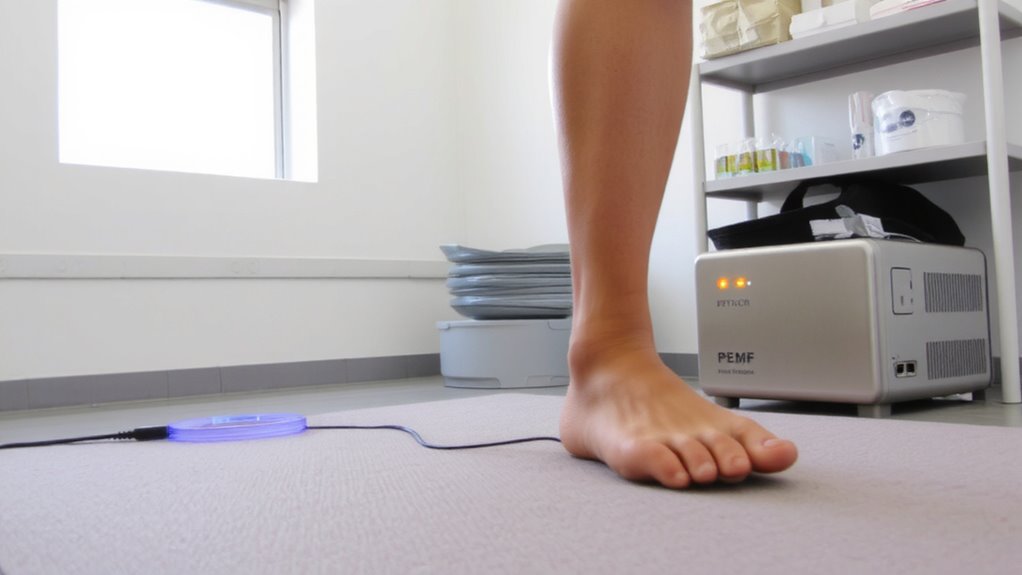
You’ve seen how PEMF speeds up bone repair by boosting cellular activity, and now it’s worth examining which specific conditions respond best to this type of therapy. You’ll find strong evidence for its use in nonunion fractures, where bones fail to heal after months. PEMF can reignite the healing process by stimulating osteoblast activity and improving calcium uptake. Studies show a success rate of around 70–80% in these stubborn cases, making it a valuable non-invasive option. It’s also increasingly used in osteoporosis management, helping slow bone density loss and reduce fracture risk over time. While it won’t replace medication, it complements other treatments by supporting structural integrity. Clinical results vary, but consistent use appears to enhance bone remodeling. You should consider PEMF particularly when conventional healing has stalled or bone weakness is progressive.
Best PEMF Settings for Fracture Recovery
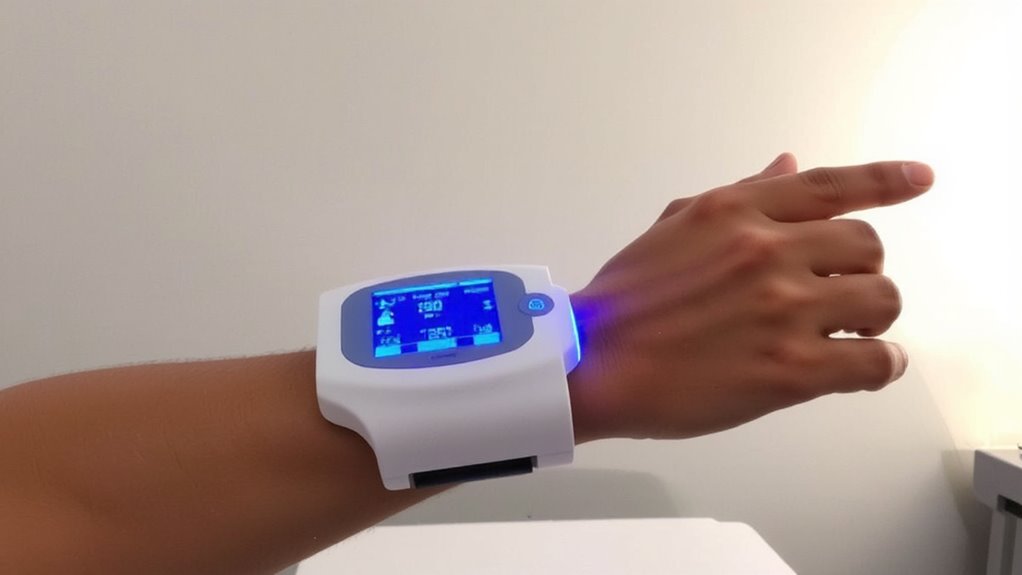
How do you guarantee PEMF therapy actually accelerates fracture recovery, rather than just going through the motions? You start by using the ideal frequency-typically between 7.5 and 20 Hz-which clinical studies suggest supports cellular repair in bone tissue. This range appears to enhance calcium uptake and stimulate osteoblast activity, essential for mending fractures. Pair that with a consistent treatment duration of 30 to 60 minutes daily; shorter sessions may underdeliver, while longer ones offer diminishing returns. Devices with adjustable intensity and waveform precision help tailor therapy without overexposure. You’re not just applying energy-you’re syncing it with your body’s repair rhythms. Reliable PEMF units deliver stable, pulsed signals that penetrate deeply, ensuring the stimulation reaches the fracture site. Results aren’t instantaneous, but with disciplined use at the right settings, healing timelines can meaningfully improve. It’s about smart application, not more power.
What to Expect During PEMF Treatment
Now that you’ve optimized the settings-frequency, duration, and signal stability-you’re ready to experience PEMF therapy in action. You’ll typically sit or lie down comfortably while the device delivers pulsed electromagnetic fields through a pad or portable unit. Most users report high patient comfort, as the treatment is noninvasive and generates no pain-just a slight tingling or warmth, if anything. The sensation level remains low, making it easy to relax, read, or even nap during sessions. Treatment duration varies, but standard protocols last 30 to 60 minutes daily, depending on fracture severity and device specifications. Consistency matters more than intensity, so sticking to a regular schedule improves outcomes. Devices differ in coil strength and waveform precision, which affects penetration depth and signal consistency. While clinical models offer robust performance, home units provide decent support when used as directed. Following manufacturer guidelines guarantees reliable results.
Who Shouldn’t Use PEMF for Bone Healing
While PEMF therapy offers a promising adjunct for bone healing, it’s not suitable for everyone, and certain health conditions make it a risky choice. You shouldn’t use PEMF if you’re pregnant-experts advise strict pregnancy precautions due to unknown effects on fetal development. If you have an implantable medical device like a pacemaker or insulin pump, PEMF might interfere with its function. Active cancer or a history of malignancies also raises red flags; although PEMF doesn’t cause cancer, theoretical cancer risks exist because electromagnetic fields could potentially stimulate cell proliferation. People with organ transplants or those on immunosuppressive therapy should also proceed with caution. While PEMF devices are marketed widely in fitness recovery and wellness circles, their safety hinges on individual health status. Always consult your doctor before starting treatment, especially if underlying conditions are present-better safe than sorry when promoting natural healing.
On a final note
You’ll find PEMF therapy can speed bone healing by stimulating cellular repair, especially useful for fractures or non-unions. While studies support its efficacy, results depend on proper settings-typically 15–30 Hz for acute injuries. Most users tolerate it well, though those with implants or pregnancy should avoid it. As a recovery tool, PEMF devices offer measurable benefits, but consistency and correct usage are key. It’s a practical, non-invasive addition to rehabilitation protocols.