Why Static Stretching Before Bed Improves Sleep Quality and Recovery
You’ll sleep better and recover faster by stretching before bed because static stretches calm your nervous system, helping you shift into rest mode without raising your heart rate. They reduce muscle tension and boost blood flow, supporting tissue repair overnight. Doing them 30–60 minutes before sleep aligns with your body’s natural cooldown. Consistency matters more than intensity. Poor form or erratic timing weakens results. You’re likely missing a few key details that could enhance your routine.
Notable Insights
- Static stretching before bed activates the parasympathetic nervous system, promoting relaxation and faster sleep onset.
- It reduces muscle tension and physical discomfort, helping prevent nighttime awakenings and improving sleep continuity.
- Evening stretching enhances blood flow, delivering oxygen and nutrients that support muscle recovery during deep sleep.
- Performing stretches 30–60 minutes before bed helps lower body temperature, signaling the body it’s time to sleep.
- Consistent timing and proper form in stretching train the body’s internal clock, optimizing both sleep quality and recovery.
Why Bedtime Stretching Helps You Sleep Better
While you might think stretching is only for athletes or post-workout routines, taking a few minutes to do static stretches before bed can make a meaningful difference in your sleep quality. You’re not just loosening tight muscles-you’re signaling your nervous system to shift into rest mode. This simple act pairs well with other relaxation techniques like deep breathing or dimming lights, enhancing your overall sleep environment. When you stretch consistently before bed, you reduce physical tension that might otherwise keep you awake. Unlike dynamic moves, static stretches held for 20–30 seconds calm your body without raising your heart rate. Quality sleepwear and supportive flooring matter less than the routine itself, but a quiet, cool room amplifies the effect. These stretches don’t require fitness gear-just your body and intention. Over time, this habit improves sleep onset and continuity, making it a practical, accessible tool for better rest.
How Evening Stretching Aids Muscle Recovery
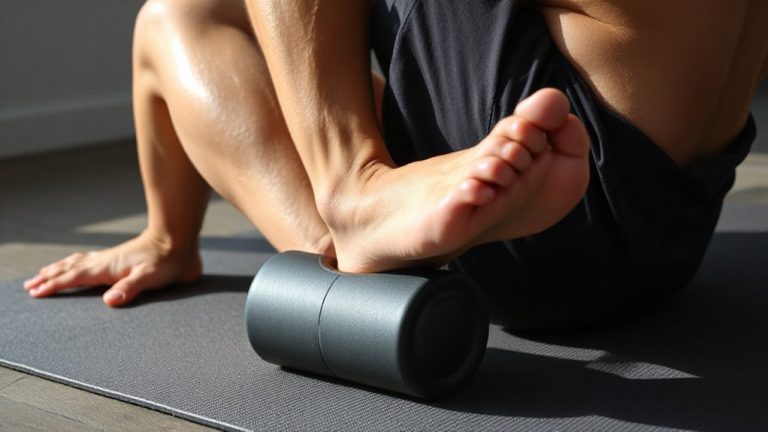
Recovery isn’t just about rest-your muscles need active support to repair efficiently, and evening stretching gives them exactly that. By gently elongating fibers after daily activity, you boost circulation, delivering oxygen and nutrients essential for muscle repair. This isn’t just feel-good relief-it’s physiological support. Static stretching before bed encourages consistent tension release, reducing the risk of overnight stiffness and soreness. When muscles relax fully, recovery processes function more effectively, especially during deep sleep phases. Unlike aggressive recovery tools, stretching requires no gear-just time and intention-making it accessible and sustainable. While foam rollers and massage guns offer targeted pressure, they can’t replace the neuromuscular calming effect of a well-executed stretch routine. Done nightly, stretching becomes a low-impact, high-return habit. It integrates seamlessly into recovery protocols, enhancing flexibility and minimizing residual strain. For long-term fitness maintenance, tension release through stretching proves both practical and scientifically sound. For those looking to enhance their routine, incorporating supportive tools like a stretching strap can improve flexibility and help maintain proper form.
Best Time to Stretch for Deep Sleep
You already know stretching helps your muscles unwind after a long day, but timing it right can turn a simple routine into a powerful tool for better sleep. For ideal deep sleep, aim to stretch 30 to 60 minutes before bedtime. This window allows your body temperature to drop post-stretch, signaling it’s time to rest-key for ideal sleep timing. Doing static stretches too early may not sustain relaxation, while stretching too late could disrupt wind-down routines. Consistency matters just as much as timing. Maintaining routine consistency trains your nervous system to recognize when sleep is approaching, improving sleep quality over time. Pair this practice with breathable, flexible recovery wear to enhance comfort and movement efficiency. Over weeks, this combination supports deeper recovery cycles, making nightly stretching not just a physical habit, but a circadian cue. Stick with it-it’s one of the most accessible, equipment-free upgrades to your fitness recovery toolkit.
5 Gentle Stretches to Do Before Bed
Since tension often lingers in the muscles long after physical activity ends, incorporating gentle static stretches before bed can make a meaningful difference in how quickly you drift into restful sleep. You’ll benefit from slow, controlled moves like neck rolls, which ease cervical tension and improve circulation to the upper spine. Perform them by slowly tilting your head in a half-circle, holding each side for 20 seconds to release tightness. Shoulder dips, done while seated or standing, help decompress the upper back and reduce stiffness from prolonged sitting. Lower your shoulders deliberately, resisting the urge to hunch, and hold for 15–20 seconds. These stretches require no fitness gear, though a supportive mat enhances comfort. Consistent use aligns your nervous system with relaxation, priming the body for deeper recovery. They’re simple, effective, and practical for any bedtime routine.
Common Mistakes That Ruin Your Night Routine
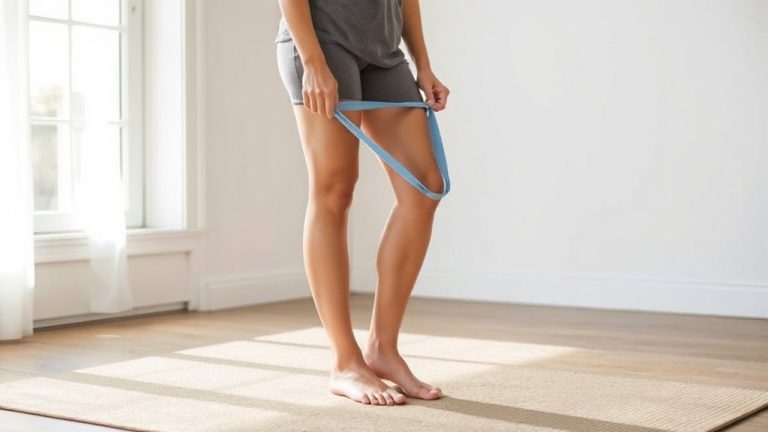
Why do so many night routines fail to deliver better sleep despite good intentions? Because small errors undermine consistency and effectiveness. Inconsistent timing confuses your body’s internal clock, reducing the sleep-inducing benefits of pre-bed stretching. When you stretch one night at 9 p.m. and the next at midnight, your nervous system doesn’t learn to wind down predictably. Poor posture during stretches-like rounding your back in a forward fold-diminishes muscle relaxation and may strain joints. You’re not just preparing your body to rest; you’re reinforcing movement patterns. Using fitness gear like foam rollers or resistance bands improperly at night can also disrupt recovery instead of aiding it. Precision matters: ideal nighttime stretches require controlled form, not force. Correct alignment enhances parasympathetic activation, while misalignment triggers unnecessary tension. To maximize recovery, refine your technique and prioritize timing over duration. Small, consistent adjustments yield better sleep and long-term physical resilience.
How to Make Nightly Stretching a Habit
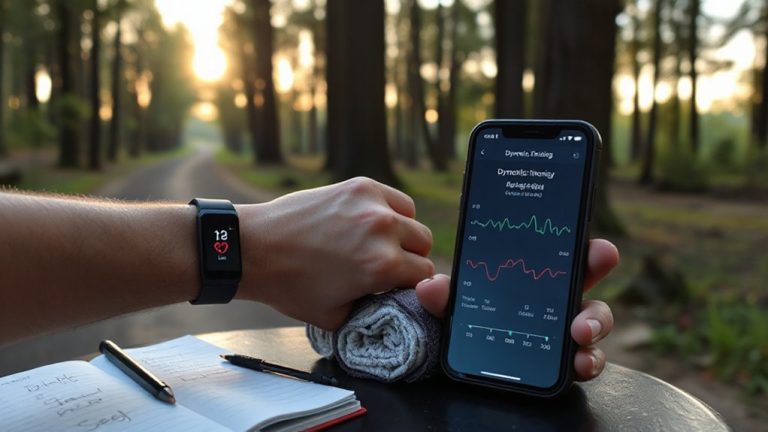
Often, the difference between a fleeting attempt and a lasting habit lies in how seamlessly it integrates into daily life. You can make nightly stretching stick by using habit stacking-pair it with an existing routine, like brushing your teeth or changing into pajamas. This linkage strengthens recall and reduces resistance. For best results, keep your gear simple: a yoga mat and comfortable clothes set the stage without clutter. Consistency tracking helps too; mark a calendar or use a habit app to visualize progress and reinforce commitment. Over time, this tracking builds accountability, making lapses noticeable and motivation easier to reclaim. Don’t expect perfection-aim for regularity, even on busy nights. A five-minute routine still counts. With deliberate pairing and monitoring, stretching becomes less of a chore and more of a signal to your body that it’s time to wind down, enhancing both recovery and sleep quality.
On a final note
You’ll sleep deeper and recover faster by adding gentle stretches to your nightly routine. Static stretching relaxes tense muscles, improves circulation, and signals your nervous system to unwind-key for restorative sleep. When done consistently, it enhances flexibility and reduces soreness, especially after strength training. Pair your routine with proper recovery gear, like foam rollers or compression wear, to amplify results. This simple habit supports long-term fitness goals, making recovery as intentional as the workout itself.