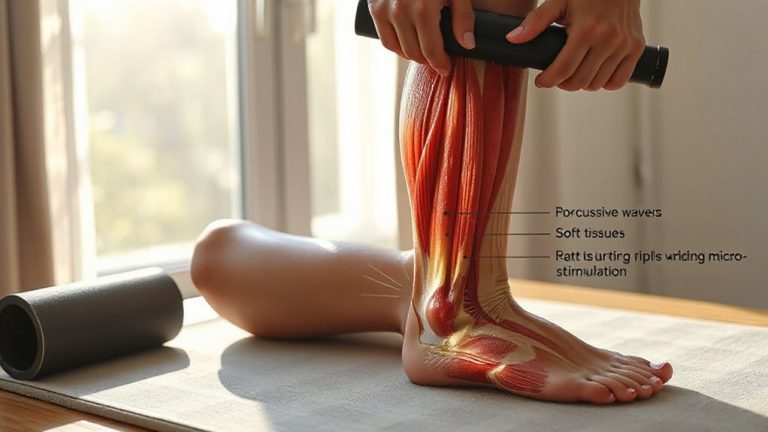
Cold Therapy and Cryotherapy Methods: an In-Depth Look Into Their Role in Workout Recovery
You can reduce post-workout inflammation and speed muscle recovery with cold therapy, using methods like ice baths, cold dips, or cryo chambers. These lower tissue temperature, constrict blood vessels, and slow metabolic activity, helping minimize sore trimester and swelling. While effective after intense sessions, frequent use may limit long-term strength gains. Timing matters-15 to 30 minutes post-exercise is ideal. If you’re clear of cardiovascular issues, starting with short, chilled exposures builds tolerance and primes your body for better recovery outcomes over time.
Notable Insights
- Cold therapy reduces post-workout inflammation by constricting blood vessels and limiting acute swelling.
- Ice baths, cryo chambers, and cold showers are effective methods for whole-body or targeted recovery.
- Optimal use occurs 15–30 minutes post-exercise, especially after intense strength or endurance training.
- While it speeds recovery, frequent cold therapy may impair long-term muscle growth and adaptation.
- It is contraindicated for individuals with cardiovascular conditions, Raynaud’s, or during pregnancy.
What Cold Therapy Does for Recovery
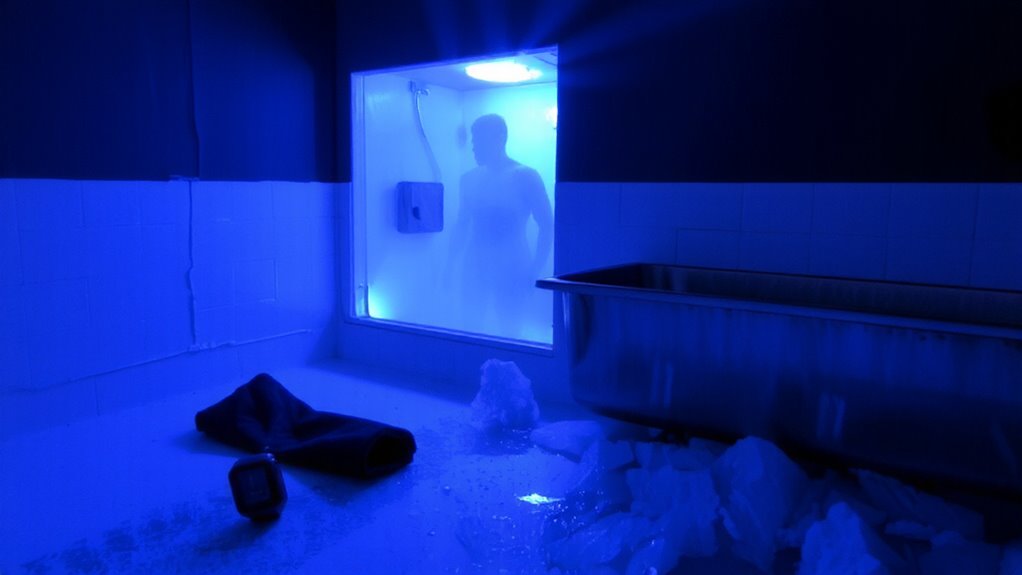
While cold therapy won’t completely undo muscle soreness, it does play a key role in managing post-workout inflammation and speeding up recovery time. You’ll notice reduced swelling and discomfort, especially after intense training, thanks to cold therapy’s ability to constrict blood vessels and limit inflammatory responses. This process, known as inflammation modulation, helps prevent excessive tissue damage and supports faster healing. Over time, consistent exposure conditions your body through cold adaptation, improving circulation and making future recovery sessions more effective. You’re not just numbing soreness-you’re training your system to respond better to stress. Though it’s not a cure-all, cold therapy complements smart training and proper gear. When combined with compression wear or recovery-focused nutrition, the results are more reliable. It’s practical, research-backed, and fits well into a disciplined recovery routine.
Cold Therapy Options: Ice Baths, Plunges, and Cryo
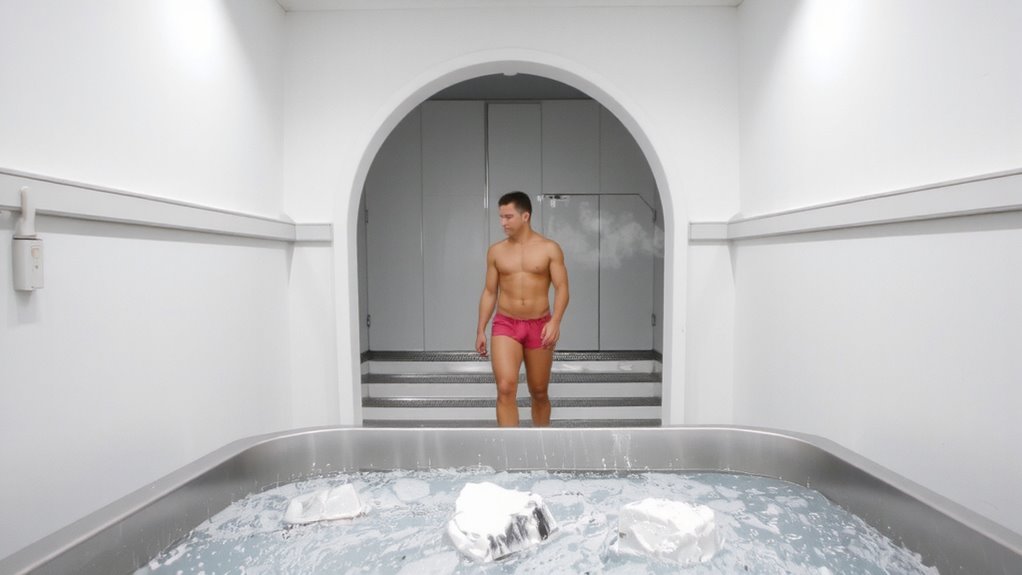
You’ve already seen how cold therapy helps manage inflammation and supports your body’s recovery after tough workouts, but now it’s time to explore the tools that bring those benefits to life. Ice baths are a classic choice-you fill a tub with ice and water, then submerge your lower body for 10–15 minutes. They’re effective but require cleanup and a tolerance for prolonged cold. Cold dips offer a cleaner, more convenient alternative, with built-in chillers maintaining consistent temperatures. They’re pricier but easier to use regularly. Whole-body cryo chambers expose you to extreme cold for just 2–3 minutes, using liquid nitrogen for fast, intense recovery-great if you’ve got access and budget. You can also try cold showers for a no-cost option that still reduces soreness. Frozen compresses work well for targeting specific joints or muscles post-training. Each method has trade-offs in cost, convenience, and comfort, but all deliver real recovery advantages when used properly.
When to Use Cold Therapy After Workouts
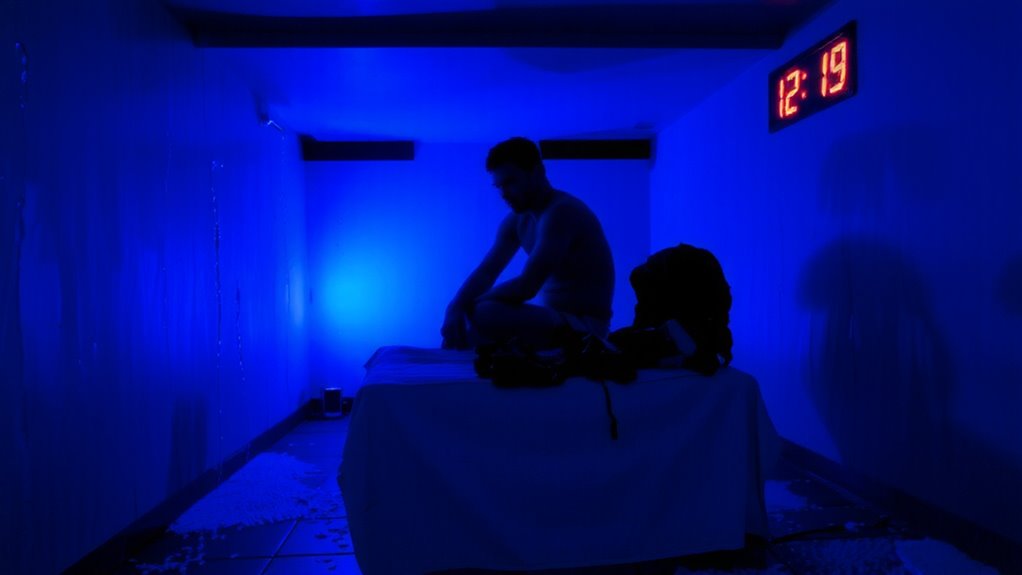
Since timing matters as much as method when it comes to cold therapy, using it strategically after exercise can make the difference between ideal recovery and unintended interference with training adaptations. You’ll see the most timing benefits when applying cold therapy within 15 to 30 minutes post-workout, especially after intense strength or endurance sessions. This early window aligns with the acute inflammation phase of recovery phases, where vasoconstriction helps reduce swelling and muscle soreness. However, frequent use after workouts may blunt long-term adaptations, particularly in strength and hypertrophy, by suppressing necessary inflammatory signals. For endurance athletes or those in heavy training blocks, cold therapy can preserve performance across consecutive sessions. If your goal is maximizing adaptation, reserve cold therapy for select recovery phases-like after competitions or grueling training days-rather than making it a daily habit.
How Cold Therapy Speeds Muscle Recovery
Cold therapy speeds muscle recovery by targeting the physiological processes that follow intense exercise, particularly inflammation and metabolic activity in overworked tissues. When you apply cold, it constricts blood vessels, reducing blood flow to the affected areas and minimizing muscle inflammation. This vasoconstriction helps prevent swelling and cellular damage, giving your muscles a better environment to heal. At the same time, cold exposure lowers the metabolic rate in the tissues, which decreases the demand for oxygen and slows down the buildup of metabolic waste. That means less soreness and faster recovery times. While it won’t replace proper rest or nutrition, cold therapy is a solid adjunct for recovery, especially after heavy lifting or endurance sessions. Used correctly, it supports tissue repair without overburdening your system-making it a reliable tool in smart recovery strategies.
Who Should Avoid Cold Exposure
Who really stands to lose more than gain from icy immersion tubs or cryo-chambers after a tough session? You might, especially if you have certain medical conditions. If you’re dealing with cardiovascular issues, Raynaud’s disease, or severe hypertension, cold exposure can push your system into dangerous overdrive. Your body’s response to sudden temperature drops could spike blood pressure or disrupt heart rhythm. You should also steer clear if you’re pregnant-pregnancy risks include reduced blood flow to the uterus and potential stress on fetal development. Even healthy individuals can misjudge tolerance, but for you with underlying health concerns, the risks outweigh the recovery benefits. Always consult a healthcare provider before diving into cold therapy. While fitness gear like cryo-machines offers cutting-edge appeal, they’re not universally safe. Use them wisely-or avoid them altogether when your health says no.
How to Add Cold Therapy Safely Post-Workout
You’ve weighed the risks and know cold therapy isn’t for everyone, especially if underlying health conditions put you in a higher-risk category. Still, when used correctly, it can support workout recovery. Start conservatively-5 to 10 minutes in a cold bath or ice bath at 50–59°F (10–15°C) is enough post-exercise. Don’t jump in immediately after lifting; wait 10–15 minutes to let your body begin natural cooldown. Monitor your hydration levels closely, since cold exposure can mask sweat loss and increase urine production, leading to dehydration. Time management matters, too-schedule sessions so they don’t interfere with sleep or daily recovery routines. Consistency beats intensity. Avoid prolonged exposure, which may impair muscle adaptation. Used wisely, cold therapy fits into a broader recovery strategy involving sleep, nutrition, and mobility work. Listen to your body and adjust frequency as needed.
On a final note
You’ll find cold therapy can sharpen your recovery when used wisely. Ice baths, dips, and cryo chambers reduce inflammation and soreness, especially after intense resistance or endurance work. Yet, overuse may blunt long-term gains by interfering with muscle adaptation. Timing and frequency matter-you’ll benefit most when applying cold shortly after exertion, but not chronically. Choose gear with reliable temperature control, prioritize safety, and tailor use to your training goals for best results.