Using Hypnosis to Reduce Pain Perception in Chronic Overuse Injuries
You can use hypnosis to reduce pain perception in chronic overuse injuries by tapping into your brain’s ability to reframe discomfort. It doesn’t heal tissue, but it calms the nervous system, lowers muscle tension, and shifts how pain signals are processed. With regular guided sessions, you’ll likely notice less perceived intensity and improved daily function-especially when combining hypnosis with physical therapy and proper recovery habits. There’s more to discover about optimizing this mind-body approach for lasting relief.
Notable Insights
- Hypnosis reduces pain perception in chronic overuse injuries by modulating brain activity linked to pain processing.
- It decreases activity in the anterior cingulate and insular cortices, dampening the emotional response to pain.
- Regular guided hypnosis practice can lower muscle tension and cortisol, aiding recovery in tendonitis and RSI.
- Daily 10–20 minute sessions retrain the brain’s response to discomfort, enhancing pain tolerance and function.
- Working with a certified pain-specialized hypnotherapist improves outcomes when integrating hypnosis with physical therapy.
What Is Hypnosis for Chronic Pain?

A tool, not a trick - that’s how hypnosis functions when applied to chronic pain management. You’re not surrendering control; you’re tuning into the mind body connection to influence how pain signals are processed. Hypnosis guides you into a focused, relaxed state where your brain becomes more receptive to suggestion. This isn’t the placebo effect-it’s a measurable shift in perception, grounded in neuroplasticity and attention modulation. Chronic pain often resists standard treatments, so techniques that engage psychological and physiological pathways offer a promising complement. You use hypnosis not to erase pain, but to reframe your response to it. Studies show reductions in pain intensity and improved function, especially when combined with mindful recovery practices. It works best when integrated into a broader recovery strategy-like proper rest, mobility work, and using supportive fitness gear. Hypnosis isn’t magic, but with consistency, it becomes a skill that empowers long-term pain control.
How Hypnosis Changes Pain in the Brain
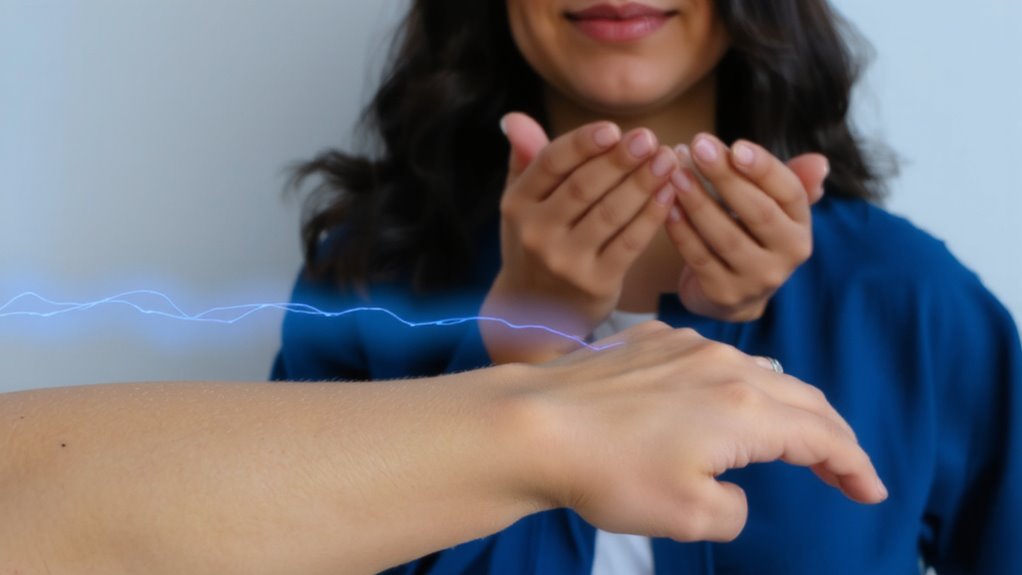
You’re not imagining it when hypnosis eases your pain-your brain is actually changing how it processes those signals. Functional imaging shows that hypnosis triggers cortical modulation, reducing activity in areas like the anterior cingulate and insular cortices, which interpret pain’s emotional weight. This isn’t suppression; it’s a recalibration. Through repeated sessions, you foster neural reorganization, basically training your brain to respond differently to familiar discomfort. Hypnosis doesn’t erase injury, but it alters perception, making pain feel less intense or threatening. This shift can break the cycle of tension and hypersensitivity often seen in chronic conditions. Evidence supports these changes as measurable, not just subjective. While gear and recovery tools help manage physical load, hypnosis addresses the central processing of pain itself. It complements physical recovery strategies by modifying the brain’s role in symptom persistence.
Why Tendonitis and RSI Improve With Hypnosis

Although hypnosis won’t heal a damaged tendon directly, it can considerably reduce the pain and muscle guarding that often prolong recovery in tendonitis and repetitive strain injuries (RSI). By leveraging the mind body connection, hypnosis helps retrain your brain’s response to chronic discomfort. Stress reduction plays a key role-lower cortisol levels mean less muscle tension and improved circulation to affected areas. This creates a more favorable environment for healing, especially when combined with proper ergonomics and rest. You’re not imagining relief; it’s a measurable shift in nervous system activity.
| Your Pain Before | Hypnosis Effect | How You Feel After |
|---|---|---|
| Constant, sharp | Reduced perception | Calmer, more in control |
| Worsened by stress | Deep relaxation | Less reactive to strain |
| Limits movement | Eased muscle guarding | Gradual return to function |
| Frustrating, endless | Improved coping | Hopeful, empowered |
You begin seeing real progress-not just in comfort, but in daily function.
Use Guided Hypnosis for Daily Relief
Now that you’ve seen how hypnosis can influence the nervous system to reduce pain signals and muscle tension in conditions like tendonitis and RSI, putting that knowledge into practice becomes the next step. You can use guided hypnosis to support daily relaxation and build resilience against flare-ups. By integrating mindfulness techniques-such as focused breathing and body scans-into structured hypnosis sessions, you train your mind to stay present and lower stress reactivity. These sessions typically last 10–20 minutes and are most effective when used consistently, ideally at the same time each day. Apps or audio recordings designed for chronic pain offer accessible tools that deliver measurable results over time. While not a standalone cure, guided hypnosis complements self-care by addressing the psychological dimension of pain. Regular practice helps reframe discomfort, improves sleep quality, and promotes a calmer nervous system, making it a practical addition to your recovery toolkit.
Pair Hypnosis With Physical Therapy for Recovery
When paired with physical therapy, hypnosis can considerably enhance recovery outcomes by addressing both the physical and psychological dimensions of chronic pain. You’re not just working on muscle strength or joint mobility-you’re also tapping into the mind body connection to reframe how your brain processes discomfort. Hypnosis supports stress reduction, which in turn lowers muscle tension and inflammation, creating a more favorable environment for healing. As you undergo targeted exercises, hypnosis reinforces relaxation, helping you move with greater ease and less fear of re-injury. This dual approach improves compliance with therapy regimens and accelerates functional recovery. Unlike fitness gear that only aids physically, hypnosis optimizes neurological responses, making it a high-value, non-invasive adjunct. Together, physical therapy and hypnosis offer a balanced, evidence-backed strategy, addressing both the biomechanics of injury and the mental barriers to sustained rehabilitation.
Hypnosis for Tendonitis: Real Recovery Stories
How do you keep pushing through the persistent ache of tendonitis when rest, ice, and physical therapy only go so far? You might find real relief in hypnosis, especially when combined with mindfulness meditation and energy healing. Patients report reduced pain intensity and improved mobility after guided hypnotherapy sessions. One runner cut recovery time in half by using daily self-hypnosis alongside stretching. Another tennis player replaced painkillers with visualization techniques and noticed less inflammation and faster tissue response. These aren’t isolated cases-clinical observations show hypnosis can modulate pain signals, improving compliance with physical therapy. Mindfulness meditation enhances this effect by training your brain to disengage from chronic discomfort. Energy healing, while less studied, complements these practices by promoting relaxation and circulation. It’s not magic-it’s neuroplasticity working in your favor. When tendonitis lingers, hypnosis offers a non-invasive, evidence-supported layer of support that fits seamlessly into a broader recovery strategy.
Find a Pain-Specialized Hypnotherapist
Where do you turn when chronic pain resists conventional treatments and you’re ready to explore hypnosis as a legitimate tool for recovery? You seek a hypnotherapist with specific expertise-someone who’s not just certified, but trained to address pain. Look for verified hypnotherapy certification through reputable organizations, and don’t overlook additional pain specialist training. General hypnotherapists may lack the nuanced understanding of chronic overuse injuries, but a specialist recognizes how pain rewires perception and adapts techniques accordingly. These practitioners use tailored suggestibility protocols to modulate neural signaling, often improving pain tolerance and function. Confirm their experience with clients managing tendonitis or repetitive strain. A qualified pain-specialized hypnotherapist blends clinical awareness with hypnotic skill, offering sessions that support long-term neuromuscular reeducation. It’s not about quick fixes-it’s targeted, evidence-aligned care that complements physical recovery. Your investment in the right professional pays off in sustainable relief.
On a final note
You’re likely seeking effective, drug-free recovery tools, and hypnosis offers measurable results for chronic overuse injuries. Research shows it modulates brain activity linked to pain, making tendonitis and RSI more manageable. Combined with physical therapy, it supports faster, more sustainable healing. Real cases confirm reduced discomfort and improved function. For best outcomes, work with a pain-specialized hypnotherapist and use guided sessions daily. It’s not magic-it’s neuroscience applied to fitness recovery.