Cold Therapy Techniques: a Deep Dive Into Cryotherapy’s Impact on Injury Rehabilitation
You’re using cold therapy right when you choose the method that matches your recovery needs. Ice packs work well for small, sore areas, but cryo chambers cool your whole body fast, cutting inflammation more efficiently. Timing matters-use it post-workout or after injury to reduce swelling, not before training. Cold slows metabolism and numbs pain, but overuse can delay healing. Smart athletes combine techniques for best results-there’s more to learn about optimizing each approach.
Notable Insights
- Cryotherapy reduces inflammation and muscle damage by triggering vasoconstriction and slowing cellular metabolism post-injury.
- Cold therapy numbs pain by slowing nerve conduction, offering immediate relief after acute musculoskeletal injuries.
- Whole-body cryo chambers cool rapidly using liquid nitrogen, potentially speeding recovery more than localized ice packs.
- Timing matters: post-exercise application enhances recovery, but pre-activity use may impair performance and healing.
- Risks include frostbite, nerve damage, and hypothermia if protective protocols aren’t followed during cryotherapy sessions.
What Cryotherapy Is (And Why It Helps Muscle Recovery)
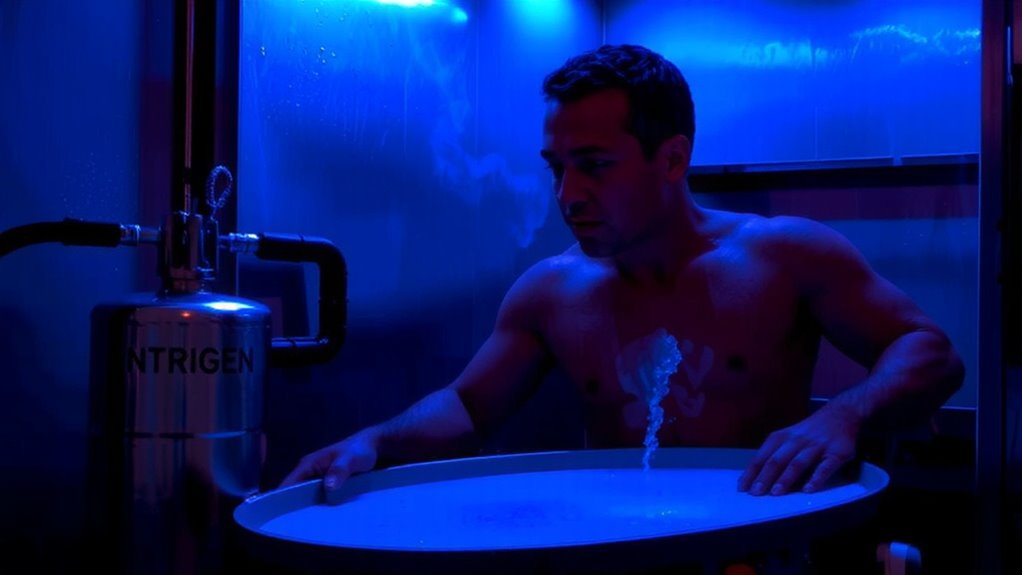
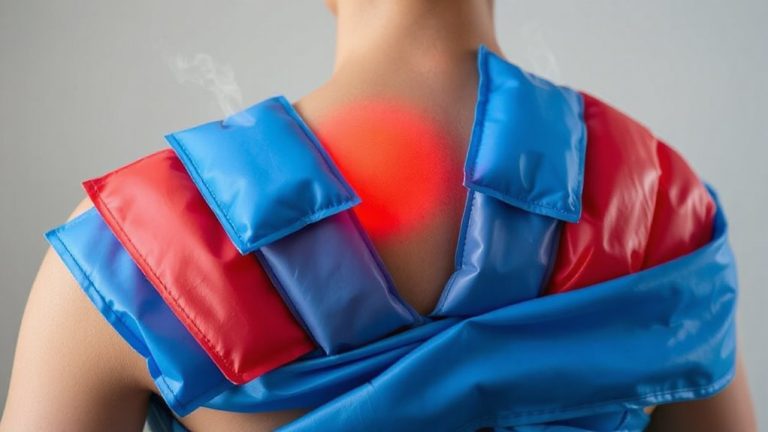
Cold isn’t just a sensation-it’s a tool, one that’s been refined over decades into cryotherapy, a recovery method gaining ground in athletic circles. You use it to trigger vasoconstriction, reducing inflammation and slowing cellular metabolism in overworked muscles. This slowdown limits oxidative damage and preserves tissue post-exertion. Cold also affects nerve conduction, delaying signal transmission and numbing pain pathways, which helps you train or compete sooner. It’s not just about comfort-this dual action on both physiology and perception makes cryotherapy a strategic recovery tool, especially after intense training. Though not a cure-all, its integration into recovery routines shows practical value when used consistently. Equipment like portable cryo units or high-grade ice vests offer athletes accessible ways to apply it effectively, blending technology with physiology in pursuit of faster, more complete recovery.
Ice Packs vs. Cryo Chambers: Which Cold Therapy Works Better?
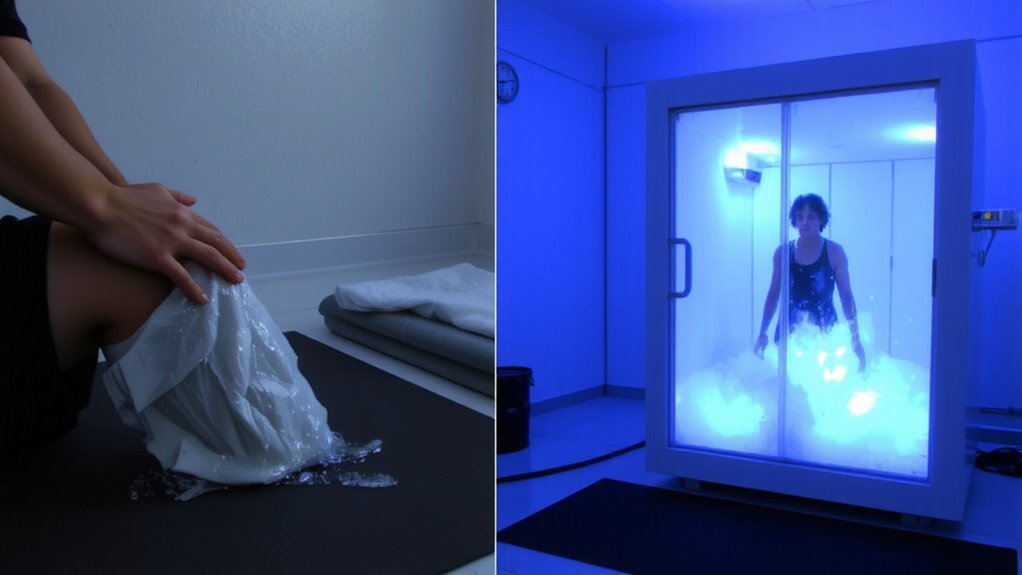
You’ve likely already used ice packs after a tough workout, but if you’ve seen athletes stepping into gleaming cryo chambers at recovery centers, you might wonder whether that jump in technology is worth it. Ice packs are affordable, easy to use, and effective for localized soreness, making them a solid staple. But cryo chambers cool your whole body fast, using liquid nitrogen to drop temperatures below -200°F-great for full recovery when you’re training hard. Cold showers and ice immersion offer middle-ground options: they’re accessible and boost circulation, though they’re less targeted than ice packs or as intense as cryo. Studies suggest cryo chambers reduce inflammation more quickly, but long-term benefits over simpler methods aren’t definitive. You don’t need the most advanced gear to recover well-ice packs, when used consistently, still deliver strong results.
When to Use Cryotherapy: and When It Can Backfire
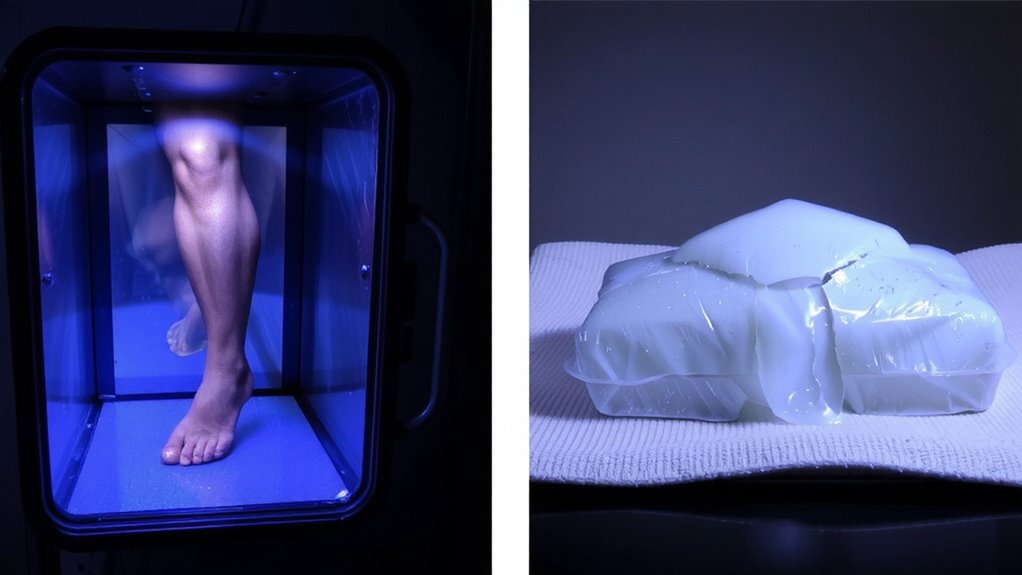
Why do some athletes swear by cryotherapy while others see little benefit? The answer often lies in cold exposure and timing considerations. You might find relief after intense workouts, but applying cryotherapy too soon post-injury can delay healing-especially if inflammation is necessary for tissue repair. Cold exposure immediately after acute trauma helps reduce swelling and pain, but prolonged or mistimed use can impair muscle regeneration. For instance, using ice packs before warm-ups may decrease performance due to reduced blood flow. Timing considerations are essential: post-exercise sessions typically benefit most, while pre-activity cooling can backfire. Cryo chambers offer full-body exposure, yet their effectiveness depends heavily on when you use them. As a recovery tool, cryotherapy works best when strategically timed, not as a default response. Use it wisely, and it supports recovery-but misuse it, and you might slow your progress.
How Cold Therapy Reduces Inflammation and Speeds Healing
Applying cold therapy at the right moment doesn’t just soothe sore muscles-it actively alters the body’s physiological response to stress and damage. You reduce blood flow to the injured area, which limits swelling and dampens inflammatory markers like cytokines. This vasoconstriction gives tissues a critical window to stabilize, preventing secondary damage. As the cold stimulus lifts, rebound vasodilation occurs, triggering metabolic activation that clears waste and delivers oxygen-rich blood. That shift primes the environment for cellular regeneration, supporting faster tissue repair. Unlike passive rest, targeted cryotherapy creates active recovery conditions, particularly effective post-exercise or after acute injury. Devices like cooling wraps or immersion tubs offer controlled, consistent temperatures, making them more reliable than makeshift ice packs. While not a cure-all, when timed well, cold therapy enhances healing efficiency. It’s a smart addition to recovery protocols-especially for athletes who demand peak performance and quick turnaround from their bodies.
When Cryotherapy Goes Wrong: Key Risks You Should Know
While cold therapy offers clear benefits for recovery, pushing too far or using improper techniques can undermine its advantages and even cause harm. You risk frostbite risk and nerve damage if exposure lasts too long or temperatures drop excessively. Poorly designed gear-like non-insulated wraps-can concentrate cold unevenly, increasing danger. Always follow recommended durations and use protective barriers. Here’s a quick guide:
| Risk | Cause |
|---|---|
| Frostbite risk | Excessive exposure to extreme cold |
| Nerve damage | Direct ice contact on skin |
| Skin burns | Lack of protective layer |
| Hypothermia | Full-body cryo without monitoring |
| Reduced healing | Overuse suppressing inflammation |
You’re better off with regulated, timed sessions using well-made devices. That way, you maximize recovery while minimizing avoidable harm.
How Top Athletes Use Cryotherapy for Faster Recovery
Though you might think cryotherapy is just about enduring extreme cold, elite athletes use it with precision to cut recovery time and sharpen performance. You’ll often see pros stepping into cryochambers at -100°C to -140°C for 2–3 minutes post-training, triggering vasoconstriction that reduces inflammation and muscle soreness. This isn’t just about physical recovery-many credit the sessions with boosting mental resilience, staying focused under pressure. The routine demands consistency, but when timed right, it supports performance enhancement by accelerating tissue repair and improving sleep quality. Portable cryo units and recovery pods now make the tech accessible beyond training facilities, though proper cooldown protocols are essential to avoid skin or nerve issues. While not a magic fix, when integrated with nutrition and sleep, cryotherapy becomes a strategic tool. Used wisely, it helps you push limits safely, recovering faster so you can train harder, compete sharper, and maintain peak readiness through grueling seasons.
On a final note
You’re likely to find cryotherapy effective for reducing inflammation and speeding muscle recovery when used at the right time. Ice packs offer practical, targeted relief, while cryo chambers deliver full-body exposure with proven performance benefits for elite athletes. Yet misuse can delay healing, so timing matters. Cold therapy works best as part of a broader recovery strategy. Used wisely, it’s a valuable tool-one that combines science and discipline to enhance your fitness recovery routine.