Myofascial Release Techniques in Chronic Fatigue Syndrome Recovery: Ed Self-Care for Sustained Improvement
You can ease chronic fatigue symptoms with gentle myofascial release (MFR) techniques that improve tissue pliability and circulation while calming your nervous system. Using soft balls or silicone rollers on areas like your neck, shoulders, and feet helps release tension without triggering flare-ups. Short daily sessions with light, sustained pressure support recovery, especially when paired with slow breathing and proper alignment. Consistency matters more than intensity, and noticeable improvements in movement and energy often appear within a few weeks-there’s more to discover about tailoring the approach to your needs.
Notable Insights
- Gentle myofascial release reduces physical tension and supports recovery in chronic fatigue syndrome through sustained, light pressure.
- Targeting common areas like neck, shoulders, and feet with soft tools enhances fascial hydration and tissue pliability safely.
- Using silicone rollers or fabric-covered balls minimizes discomfort and prevents symptom flare-ups in sensitive individuals.
- A consistent 5–10 minute daily routine with breathing coordination promotes nervous system balance and gradual improvement.
- Tracking pain, mobility, and energy levels helps measure progress, with noticeable changes typically emerging in 2–4 weeks.
Use Myofascial Release to Ease Chronic Fatigue
Although chronic fatigue often feels like an invisible force sapping your energy, addressing physical tension through myofascial release can make a measurable difference in how you recover and perform. You’re not just easing muscle tightness-you’re promoting fascial hydration, which helps restore pliability to connective tissues stiffened by inactivity. This improved elasticity supports better circulation and nutrient flow, both critical for recovery. Simultaneously, myofascial release encourages nervous system modulation, shifting your body from a stressed, sympathetic state to a calmer, parasympathetic mode. That shift isn’t just soothing-it’s functional, enhancing rest and repair. Unlike aggressive recovery tools, quality rollers and soft therapy balls apply sustained, gentle pressure without triggering defensive tension. They’re designed for precision and comfort, making consistency more achievable. When used regularly, these tools don’t just alleviate symptoms-they help retrain your body’s response to fatigue, supporting long-term resilience and sustainable energy management. For optimal results, consider using a high-density foam roller that balances durability with targeted pressure.
Try These Gentle MFR Techniques at Home
You’re already aware that myofascial release can shift your body out of a stressed state and support recovery from chronic fatigue, but putting that knowledge into practice at home doesn’t require expensive equipment or complicated routines. Simple self massage techniques can target key pressurepoints to release tension and improve circulation. Start with gentle, sustained pressure using your fingers or a soft ball against a wall. Focus on areas like the neck, shoulders, and lower back-common sites of fascial restriction. Using a high-quality massage gun can enhance these techniques by delivering consistent, targeted percussion to deep tissues. Below are effective techniques:
| Area | Technique |
|---|---|
| Neck | Use fingertips to apply light pressure along the sides, just behind the muscles |
| Upper Back | Lean into a tennis ball placed between your back and wall, slowly rolling |
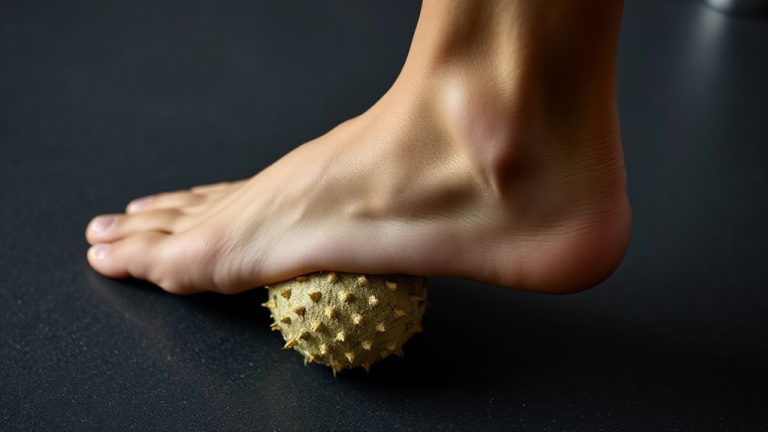
| Feet | Roll a soft ball underfoot, concentrating on tender pressurepoints |
Consistency matters more than intensity-brief daily sessions support lasting change in fascial health.
Use MFR Tools Safely When You’re Sensitive
How do you maintain the benefits of myofascial release when your body can’t tolerate deep pressure? Sensitivity demands smarter tool selection and precise pressure control. Opt for softer tools-like silicone rollers or fabric-covered balls-over rigid foam or dense plastic. These distribute force more evenly, reducing risk of bruising or flare-ups. Start with light touch and gradually increase as tolerated; your feedback matters more than intensity. Tools with textured surfaces can be effective, but use them sparingly-overstimulation worsens fatigue. Always monitor your body’s response: redness or increased discomfort means you’ve gone too far. Choose ergonomic designs that minimize grip strain, especially on low-energy days. Pressure control isn’t just about force-it’s timing, angle, and consistency. With mindful technique, even sensitive individuals can gain lasting relief without setbacks. Safety and self-awareness shape real progress. Consider models with adjustable vibrating foam rollers to enhance tissue relaxation without increasing manual pressure.
Build a Realistic MFR Routine for Low Energy
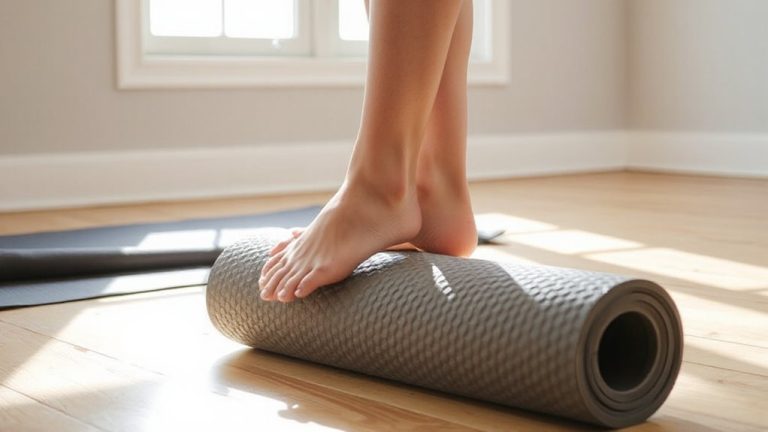
Often, the key to effective myofascial release during periods of low energy lies in consistency, not intensity. You don’t need long sessions-just 5 to 10 minutes daily can support recovery when you pace yourself. Focus on breathing coordination: inhale deeply through the nose, exhale slowly as you apply gentle pressure. This rhythm reduces tension and enhances oxygen flow, making the work more efficient. Pair this with mindful posture alignment-whether seated or lying down-to avoid strain and improve treatment accuracy. Use supportive props like cushions or yoga mats to maintain neutral spine positioning. Foam rollers and soft balls are ideal for low-energy days, offering enough feedback without overstimulation. The goal isn’t deep force but sustained, gentle engagement that encourages tissue release. Over time, this approach builds resilience without burnout, fitting realistically into fluctuating energy levels common in chronic fatigue recovery.
Track Your MFR Progress (And When to Expect Results)
Why do some people notice improvements in mobility and energy within weeks of starting myofascial release, while others see gradual changes over months? The answer lies in progress tracking and individual result timing. Your body’s response depends on factors like symptom severity, consistency, and self-awareness. To gauge improvement accurately, keep a simple journal noting pain levels, range of motion, and energy before and after each session. Many report subtle shifts-like easier movement or less morning stiffness-within 2–4 weeks. But real, sustained progress often takes 8–12 weeks of regular practice. Be realistic: myofascial release works cumulatively, not instantly. Tracking helps you stay motivated and adjust pressure or tool use as needed. While foam rollers or massage balls vary in firmness and texture, the key isn’t the gear-it’s consistency. Smart progress tracking turns subjective feelings into objective insight, aligning your expectations with genuine recovery patterns.
On a final note
You’ll find myofascial release (MFR) can support chronic fatigue recovery when used consistently and gently. Tools like foam rollers or small balls offer targeted relief, but sensitivity demands caution-start soft and slow. A realistic, low-effort routine helps sustain progress without overexertion. While results vary, many report improved mobility and reduced fatigue over weeks. MFR isn’t a cure, but as part of a broader recovery plan, it’s a practical, accessible tool worth trying.