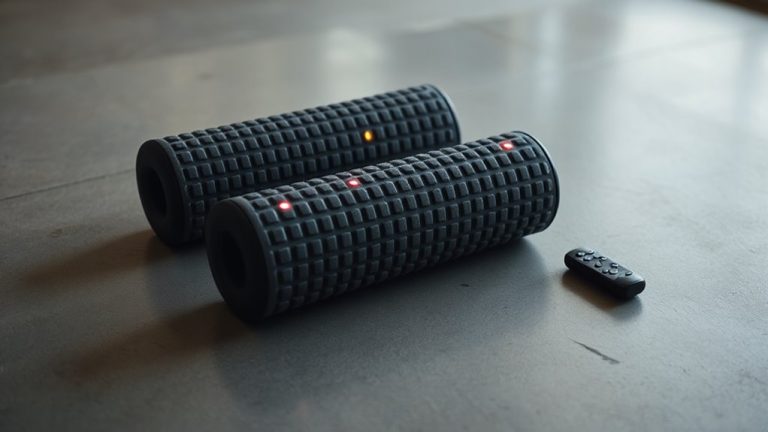
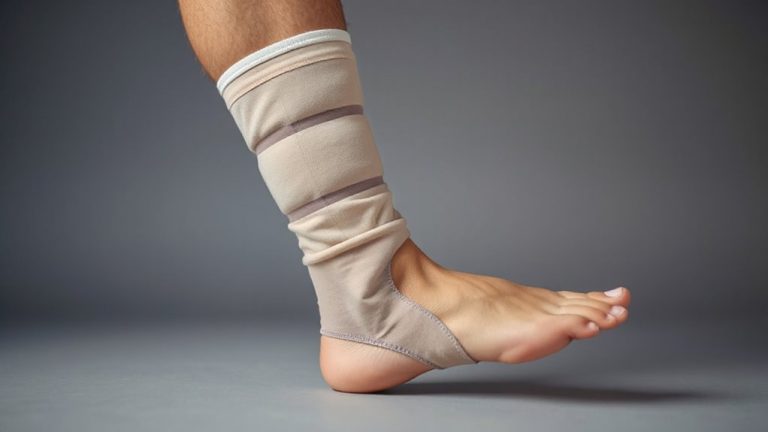
Optimizing Recovery With Compression Therapy for Post-Workout Muscle Pain Relief
You can optimize recovery by using compression therapy to boost circulation and reduce muscle soreness after workouts. It helps clear lactate faster and decreases inflammation through graduated pressure. For best results, wear properly fitted compression gear-like socks, sleeves, or boots-at 15–30 mmHg within 30 minutes post-exercise for 1–4 hours. Pairing this with rest and hydration enhances repair. Choosing the right fit and pressure level makes all the difference-keep going to see which gear and methods top athletes rely on.
Notable Insights
- Compression therapy reduces post-workout soreness by improving blood flow and decreasing muscle inflammation.
- Wearing compression gear within 30 minutes post-exercise enhances recovery and metabolic waste removal.
- Graduated compression between 15–30 mmHg optimizes circulation without restricting blood flow.
- Compression boots, socks, and sleeves aid lactate clearance and reduce muscle stiffness effectively.
- Consistent use for 1–4 hours after workouts supports faster recovery and long-term adaptation.
Why Compression Therapy Relieves Post-Workout Soreness
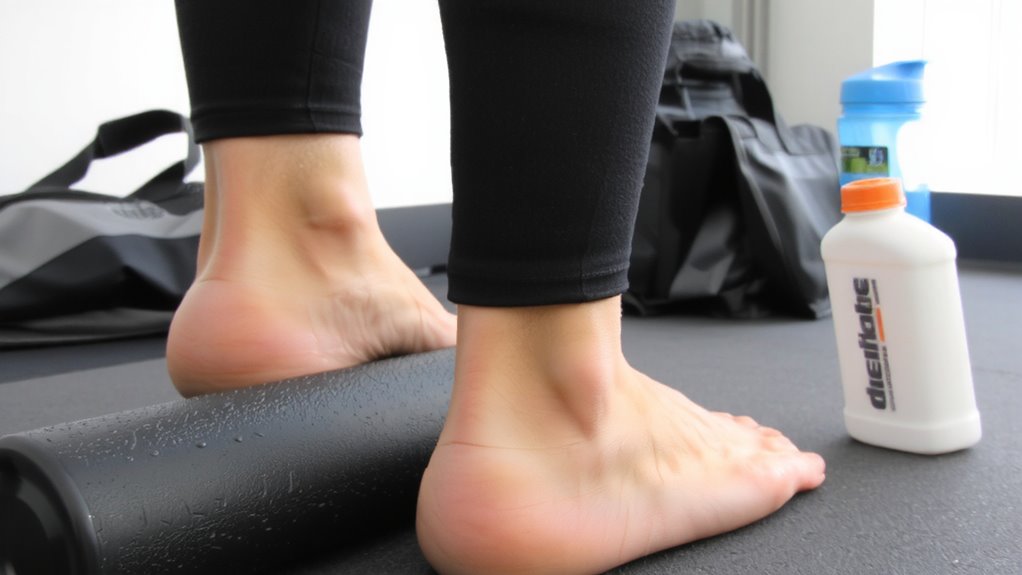
Why does recovery feel so much faster when you slip into a pair of compression tights after a hard leg day? Because they’re designed to tackle muscle inflammation and improve blood flow-two key factors in soreness relief. The snug fit applies graduated pressure, encouraging venous return and helping clear metabolic waste like lactate faster. You’re not just feeling better mentally; there’s measurable physiological support. Studies show reduced markers of muscle damage when compression is used post-exercise. While they won’t erase soreness overnight, consistent use enhances recovery efficiency. Compression gear works best when properly fitted-too tight restricts, too loose does nothing. High-quality fabrics wick moisture and maintain elasticity, lasting longer with proper care. It’s not magic, but solid engineering: targeted pressure improves circulation, minimizes swelling, and soothes overworked muscles. For frequent trainers, these tights are a practical tool, blending performance science with everyday recovery needs. For even more targeted recovery, consider using compression boots as part of a comprehensive recovery routine.
How Compression Speeds Muscle Recovery After Exercise
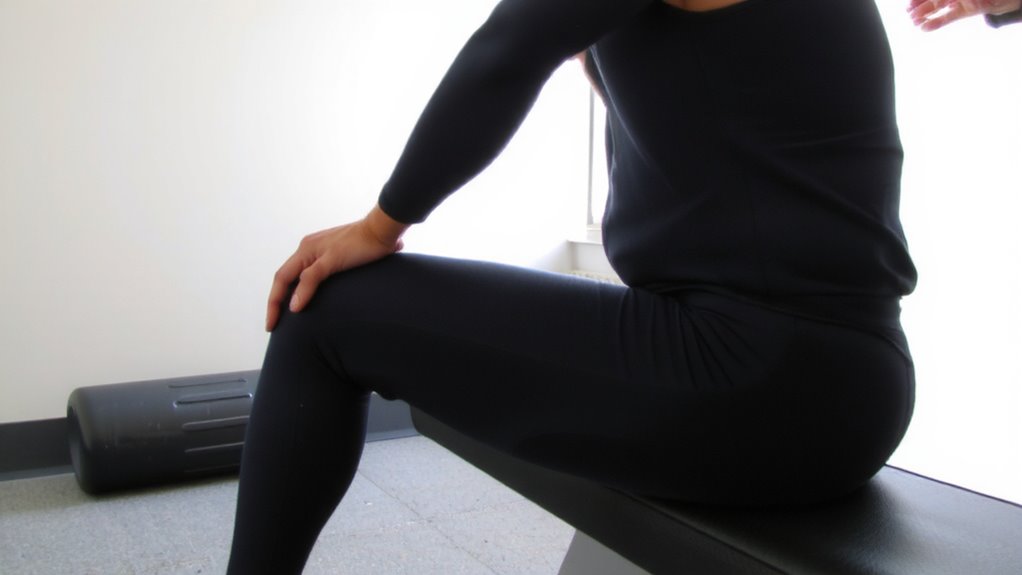
You already know compression gear helps ease soreness, but its role in speeding actual muscle recovery runs deeper than just comfort. By applying consistent pressure, compression improves muscle oxygenation, delivering more oxygen-rich blood to fatigued tissues when they need it most. This boost supports cellular repair and reduces inflammation, helping your muscles bounce back faster. Compression also enhances lactic acid clearance, flushing out metabolic waste that contributes to stiffness and fatigue. Studies show athletes using compression therapy report less perceived exertion and quicker return to peak performance. While results vary by individual and intensity, the physiological mechanisms are well-supported. It’s not magic-it’s biomechanics. When paired with proper hydration and rest, compression becomes a practical tool in your recovery arsenal, not just a post-workout comfort crutch. A well-designed compression sleeve can significantly improve circulation and support targeted muscle groups during recovery.
Best Compression Gear for Faster Recovery (Boots, Socks, Sleeves)
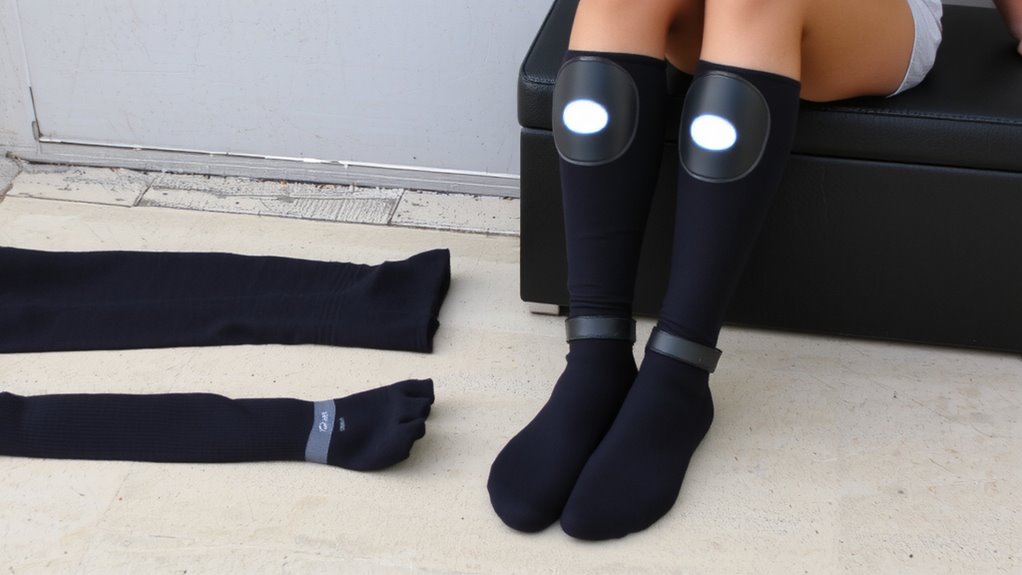
When it comes to accelerating recovery, the right compression gear can make a measurable difference, and not all options deliver the same results. Compression boots offer full-leg coverage with dynamic pressure, making them top-tier among active recovery tools for reducing soreness and improving circulation. They use advanced compression technology to mimic muscle pumps, ideal after intense training. Compression socks are more accessible and effective for daily use, providing graduated pressure that supports vein function and minimizes swelling. Recovery sleeves, targeting arms or calves, deliver focused support during or after activity, though coverage is limited. While boots require a higher investment, they’re proven for deep recovery. Socks and sleeves, on the other hand, are easy to pack and maintain-great for consistent use. Ultimately, pairing the right gear with your routine boosts results, letting you train smarter and recover faster with measurable benefits. For those seeking top-tier options, checking the best leg compression boots can help identify models with optimal pressure settings and coverage.
When and How Long to Wear Compression for Results
Though timing matters just as much as the gear itself, getting the most from compression means understanding both when to put it on and how long to keep it there. For best results, wear compression gear within 30 minutes post-workout-this timing duration maximizes blood flow and minimizes inflammation. Most studies support wearing it for 1 to 4 hours after exercise, though overnight use can help with soreness if tolerated. You’ll see greater gains with frequency consistency-using compression after every intense session trains your body to recover faster over time. Don’t reserve it just for race days; integrating it into regular training enhances adaptation. While individual needs vary, skipping it inconsistently reduces cumulative benefits. Whether it’s sleeves, socks, or boots, sticking to a reliable post-workout routine improves recovery outcomes. Think of it as recovery maintenance, not a one-off fix.
How to Choose the Right Compression Level (mmHg Explained)
Proper timing and consistent use set the foundation for effective compression therapy, but the real difference in recovery performance often comes down to selecting the right compression level. Your mmHg selection directly impacts circulation support and muscle stabilization. Too low, and you won’t get the therapeutic benefit; too high, and you risk restricting blood flow. Fit accuracy is just as critical-compression that slips or pinches won’t deliver even pressure. Below is a quick guide to common compression levels and their best uses:
| mmHg Range | Pressure Level | Ideal For |
|---|---|---|
| 8–15 mmHg | Light | Daily wear, mild fatigue |
| 15–20 mmHg | Moderate | Post-workout recovery |
| 20–30 mmHg | Firm | Enhanced recovery, athletes |
Always pair correct mmHg selection with snug, anatomically tailored gear for best results.
What Science Says About Compression Therapy for Recovery
Science has increasingly turned its eye toward compression therapy as a tool for enhancing recovery, and the results paint a nuanced picture. You’ll find that compression physiology supports improved blood flow dynamics, which may speed up the removal of metabolic waste like lactate after intense workouts. Studies show moderate evidence that wearing compression garments can reduce delayed onset muscle soreness (DOMS), especially within the first 24–72 hours post-exercise. While not all research agrees on the magnitude of benefits, many athletes report feeling less fatigued and more recovered. The mechanism likely ties to enhanced venous return and reduced muscle oscillation during activity. Though results vary, consistent use of properly fitted gear-typically 20–30 mmHg-aligns with the best outcomes. Ultimately, compression therapy isn’t a magic fix, but when integrated thoughtfully into recovery routines, it offers measurable, science-backed advantages.
On a final note
You’ll find compression therapy effective for reducing post-workout soreness and speeding recovery. Devices like boots, sleeves, and socks improve circulation, clearing metabolic waste faster. Studies support moderate compression (15–30 mmHg) for best results. Timing matters-use gear within hours after exercise for best outcomes. While not a magic fix, high-quality, properly fitted gear enhances recovery when combined with rest and hydration. Choose durable, medical-grade materials for long-term use.