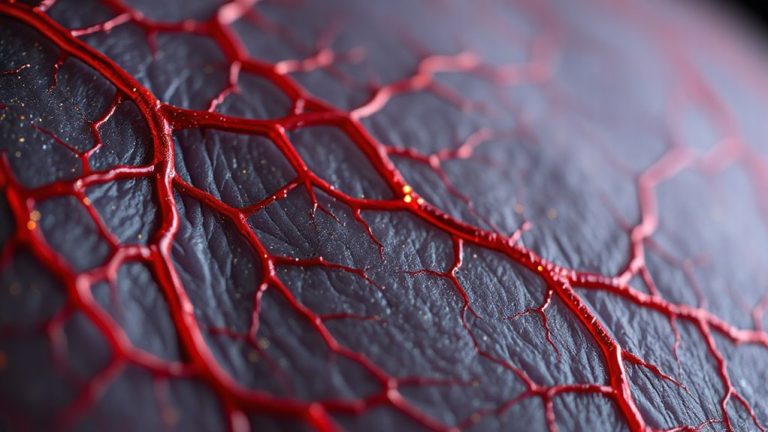
The Role of Probiotics Supplementation in Facilitating Post-Exercise Gut Health Restoration
Intense workouts shift blood flow away from your gut, increasing permeability and letting toxins into your bloodstream-probiotics help seal those leaky gaps and restore balance. Strains like *Lactobacillus fermentum* and *Bifidobacterium bifidum* reduce inflammation and strengthen your gut barrier when taken post-exercise. Daily, timed doses of 1–10 billion CFUs work better than occasional high amounts. Whole-food sources like kefir boost resilience, but avoid mixing with protein powders right after training. Smart probiotic use supports recovery in ways fitness trackers can’t measure. You’ll discover smarter strategies that go beyond supplementation.
Notable Insights
- Intense exercise increases gut permeability, allowing toxins to enter the bloodstream and trigger inflammation.
- Probiotics help restore gut barrier integrity by sealing tight junctions between intestinal cells.
- Specific strains like *Lactobacillus fermentum* and oxidative stress and muscle soreness after exercise.
- Taking probiotics during or shortly after workouts supports faster gut microbiota balance and recovery.
- Combining probiotics with prebiotic fiber and avoiding high-dose antioxidants enhances their effectiveness post-exercise.
Why Exercise Wreaks Havoc on Your Gut
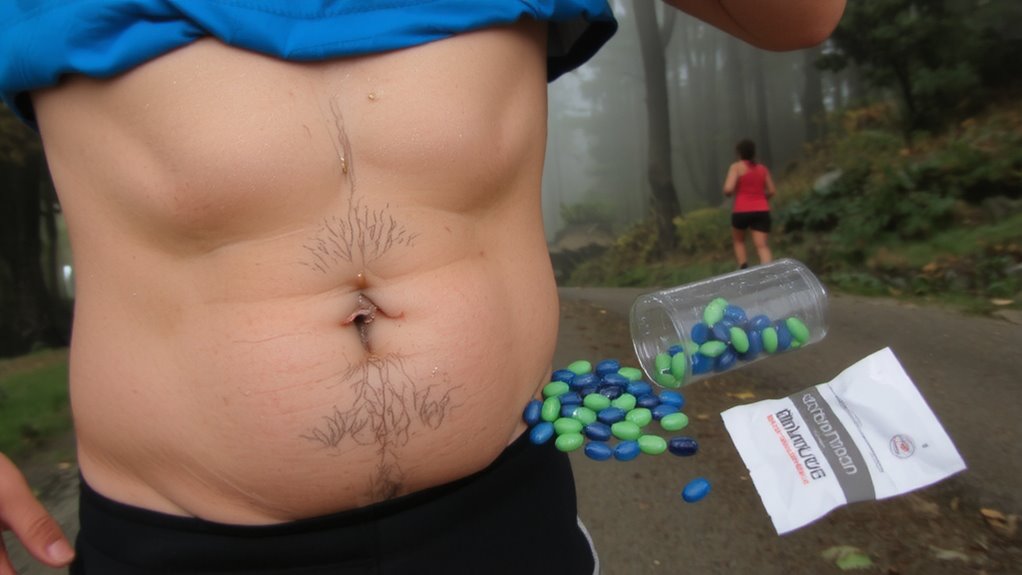
While you’re pushing your limits during intense workouts, your gut often pays the price-especially when exercise redirects blood flow away from the digestive system to fuel working muscles. This shift triggers gut permeability, allowing toxins and bacteria to leak into the bloodstream, potentially causing inflammation and discomfort. At the same time, increased metabolic demand heightens oxidative stress, damaging cells and impairing recovery if unchecked. These responses aren’t just short-term nuisances-they can hinder long-term performance if you don’t manage them. High-intensity training amplifies these effects, particularly in endurance athletes or those using advanced fitness gear that maximizes output. Without proper recovery strategies, the gut remains compromised, undermining even the most optimized routines. Your body’s resilience depends not just on training load, but on how well you support internal systems under strain. Addressing gut health becomes essential, not optional, for sustained fitness progress.
How Probiotics Repair Your Gut After Exercise
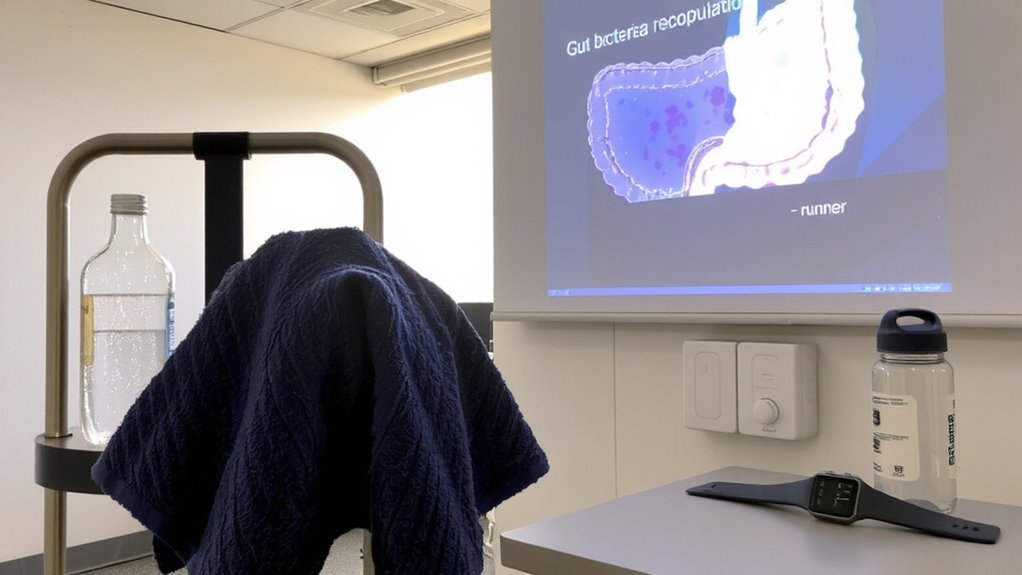
Because your gut takes a hit every time you push through a tough workout, especially with high-output fitness gear ramping up intensity, rebuilding its defenses becomes critical-and that’s where probiotics step in. They actively support the restoration of your gut barrier, sealing tight junctions between cells to prevent leaky gut caused by prolonged exertion and reduced blood flow. Without this reinforcement, toxins can enter your bloodstream, triggering inflammation. Probiotics also aid immune modulation, balancing your body’s response so it’s neither overactive nor sluggish post-exercise. This dual action-fortifying physical defenses and fine-tuning immunity-makes them essential for recovery, especially when training demands exceed baseline stress. While fitness gear helps track and intensify performance, it doesn’t repair the internal wear. That’s on you-and your microbes. Consistent probiotic use doesn’t just patch damage; it strengthens resilience, letting you train hard without compromising gut health.
Best Probiotic Strains for Post-Workout Recovery
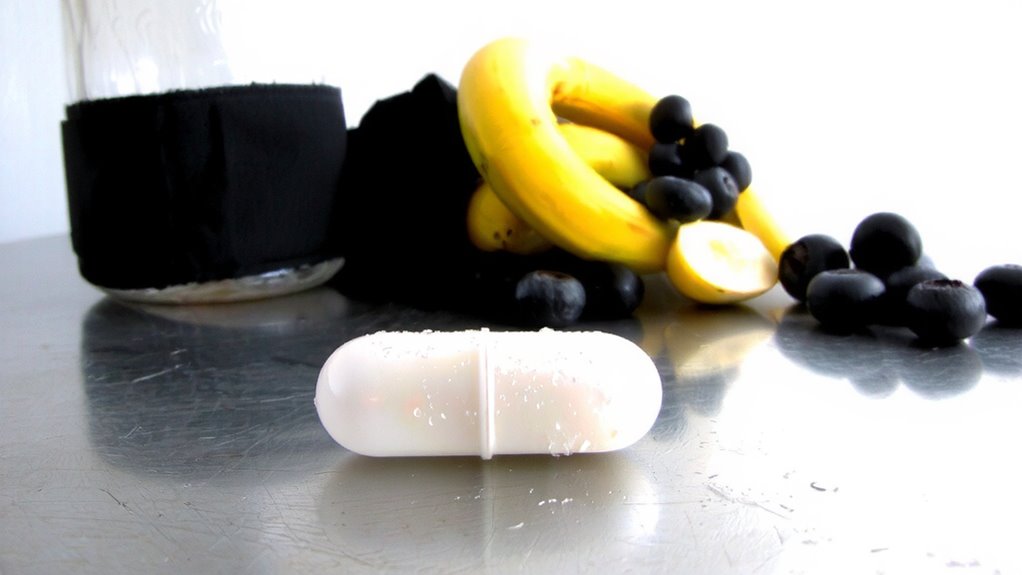
When it comes to speeding up recovery after intense training sessions, not all probiotics are created equal-certain strains have shown stronger evidence in supporting gut integrity and immune balance post-exercise. You’ll want to look for specific strains like *Lactobacillus fermentum* and *Bifidobacterium bifidum*, which have been linked to reduced muscle soreness and improved immune support. Studies suggest *L. fermentum* helps lower oxidative stress and inflammation, speeding up repair. Meanwhile, *B. bifidum* strengthens the gut barrier, limiting endotoxin leakage that can trigger systemic inflammation. If you’re pushing through heavy training loads, these strains offer measurable benefits over generic blends. They’re not just about digestion-they directly influence how fast you bounce back. For best results, choose a supplement with clinically dosed, strain-specific cultures rather than broad-spectrum mixes. This targeted approach enhances resilience, helping you stay consistent and recover smarter.
When and How Much: Timing Probiotics for Recovery
How effective could your recovery routine be if you timed your probiotic intake just right? Getting the ideal timing down means taking probiotics either during or shortly after your workout, when gut permeability increases and beneficial bacteria can establish more efficiently. Studies suggest this window enhances microbial balance faster, supporting quicker gut health restoration. As for dosage frequency, daily consistency matters more than a single high dose. Most effective regimens use 1–10 billion CFUs per day, tailored to strain and individual needs. Skipping days may reduce colonization, weakening the protective effects you’re aiming for. You don’t need extreme doses-moderate, regular intake aligns better with natural gut flora rhythms. Think of it like maintaining fitness gear: consistent care guarantees peak performance. The same goes for your microbiome. Prioritize steady dosage frequency and smart timing to get the most out of your recovery plan.
Supplements or Sauerkraut? Best Sources for Recovery
What if the best post-workout gut support came not from a pill, but from a jar of fermented cabbage? Fermented foods like sauerkraut, kimchi, and kefir deliver live microbes in a form your body recognizes-no capsule needed. They offer a natural dose of probiotics alongside enzymes and nutrients that aids digestion and soothes post-exercise gut stress. While supplements provide targeted strains and consistent dosing, fermented foods boost dietary diversity, which research links to a more resilient microbiome. You don’t have to choose one over the other, but favoring whole-food sources builds long-term gut strength. Including a variety of these foods in your recovery routine supports microbial balance more sustainably than relying solely on pills. For best results, pair them with fiber-rich prebiotics. Ultimately, real food wins for overall gut resilience.
Common Post-Workout Probiotic Mistakes to Avoid
Though you might think you’re doing your gut a favor by chugging a probiotic supplement right after a tough workout, timing it too soon could backfire-especially if your body’s still in a heated, stressed state. Wait at least 20–30 minutes post-exercise to allow core temperature and circulation to stabilize, increasing probiotic survival. You’re also risking gut irritation if you combine probiotics with large fluid volumes immediately after training-overhydration risks diluting stomach acid and disrupting bacterial transit. And while supplement stacking seems efficient, pairing high-dose antioxidants or protein powders with probiotics may reduce microbial viability. Some compounds interfere with bacterial colonization, making your regimen less effective. Instead, space out intake: probiotics with a light snack containing fiber. Choose quality strains like *Lactobacillus* or *Bifidobacterium* and avoid unnecessary additives. Your gut doesn’t need more-it needs smarter support.
On a final note
You’re likely pushing your body hard, and that stress taxes your gut. Probiotic supplements can help restore balance, especially when timed right-ideally post-workout with a meal. Strains like *Lactobacillus acidophilus* and *Bifidobacterium lactis* show strong recovery support. While fermented foods offer benefits, targeted supplements provide consistent dosing. Avoid common errors like improper storage or pairing with hot liquids. For serious recovery, precision beats guesswork-quality probiotics are a practical, science-backed tool in your fitness toolkit.