The Role of Sleep in Restoring Autonomic Nervous System Balance Post-Workout
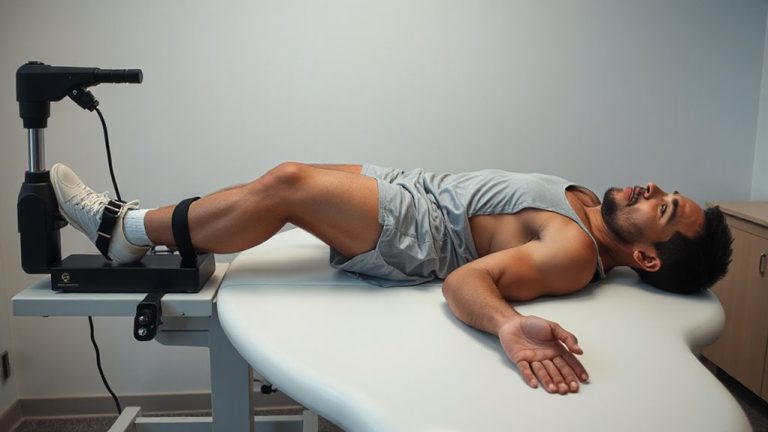
Your tough workouts spike cortisol and adrenaline, keeping your sympathetic nervous system active. Without deep sleep, that stress lingers, impairing recovery and performance. During deep sleep, your body shifts to parasympathetic dominance, slowing heart rate and repairing neural function. Unlike passive rest or recovery gear, sleep uniquely recalibrates your autonomic balance and hormones. You’ll learn how to optimize this process for better results.
Notable Insights
- Exercise activates the sympathetic nervous system, and sleep is essential to restore balance by promoting parasympathetic dominance.
- Deep sleep lowers cortisol and adrenaline levels, counteracting post-workout hormonal stress responses.
- Only sleep, not passive rest, enables full autonomic nervous system recalibration through sustained parasympathetic activation.
- Growth hormone release during deep sleep supports tissue repair and neural recovery post-exercise.
- Inadequate or fragmented sleep impairs autonomic balance, increasing injury risk and reducing performance recovery.
Why Workouts Ramp Up Your Stress Response
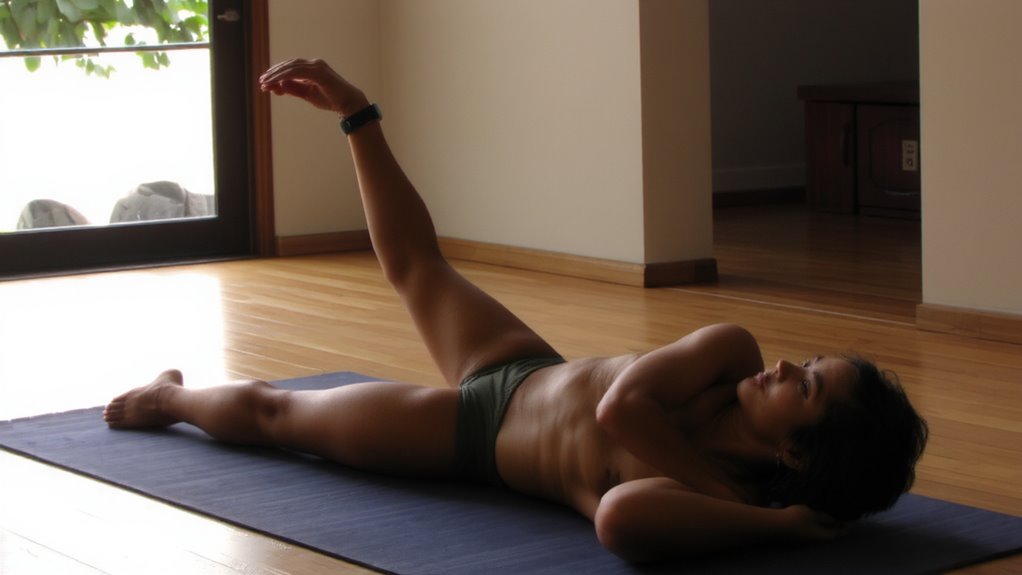
While exercise strengthens your body, it also temporarily activates your sympathetic nervous system, the same branch of your autonomic nervous system that kicks in during stress. You’re not just taxing your muscles-you’re triggering hormonal fluctuations, including spikes in cortisol and adrenaline, which prime you for performance but strain recovery if unchecked. This stress response is normal, even beneficial short-term, but repeated without balance leads to neural fatigue, dulling your nervous system’s responsiveness. That’s why recovery isn’t just about rest-it’s about restoring autonomic balance. High-intensity training gear may enhance performance, but it won’t fix poor recovery habits. The best fitness gear supports your training, but only sleep and downtime resolve the internal toll. Ignoring neural fatigue risks diminished returns, no matter how advanced your equipment. Ultimately, smart training respects both effort and restoration as equally essential to long-term fitness gains.
7 Signs You’Re Not Recovering From Exercise

How do you know when your body’s had enough? Persistent muscle soreness that lingers past 72 hours is a red flag-your tissues aren’t regenerating like they should. Elevated fatigue levels, even after light training days, suggest your autonomic nervous system remains in sympathetic overdrive. You might notice your resting heart rate is higher than usual, or your motivation is dropping fast. Sleep interruptions, irritability, and decreased performance despite consistent effort are all linked to poor recovery. These aren’t just signs of a tough week-they indicate your body isn’t rebalancing. Recovery isn’t optional; it’s where adaptation happens. Ignoring these cues can lead to overtraining, weakening gains and increasing injury risk. Fitness gear like heart rate monitors or recovery wear may help track progress, but they can’t replace listening to your body. Real recovery starts with rest, not more strain.
How Deep Sleep Resets Your Nervous System

When you enter deep sleep, your body shifts into a state of profound restoration, one where the parasympathetic nervous system takes over to reverse the stress accumulated during waking hours. Your breathing slows, heart rate drops, and muscles relax-this isn’t just rest; it’s active recovery. During this phase, neural regeneration kicks in, repairing brain circuits taxed by physical and mental exertion. Simultaneously, hormonal recalibration occurs: cortisol dips while growth hormone surges, aiding tissue repair and balancing metabolic signals. This internal reset directly supports autonomic balance, shifting you from fight-or-flight dominance to restoration mode. Unlike light rest, deep sleep provides the sustained physiological environment needed for these processes to unfold efficiently. Without it, your nervous system remains strained, impairing recovery and performance. That’s why quality sleep isn’t optional-it’s foundational. For anyone serious about fitness recovery, optimizing sleep is as critical as nutrition or training gear.
Why Sleep Beats Rest for Recovery
Though lying on the couch with your foam roller and recovery drink might feel like active recovery, it doesn’t come close to what your body achieves during sleep-especially in the deeper stages. While active recovery boosts circulation and supports muscle repair, only sleep fully resets your autonomic nervous system. During deep sleep, parasympathetic activity dominates, lowering heart rate and calming stress hormones far more effectively than daytime rest. Recovery nutrition helps replenish glycogen and repair tissue, but without sleep, its benefits plateau-your cells respond best to nutrients when growth hormone peaks at night. Foam rolling and light movement have their place, yes, but they can’t replicate the neurological and hormonal recalibration sleep provides. For true recovery, sleep isn’t just another tool-it’s the foundation. Relying solely on active recovery or supplements ignores the body’s fundamental need for unconscious restoration. Sleep doesn’t just aid recovery; it defines it.
Sleep Quality vs. Quantity: What Athletes Need
While logging enough hours in bed matters, the quality of sleep often determines how well your body recovers-especially if you’re training intensely. Deep, uninterrupted sleep supports parasympathetic restoration, helping rebalance your autonomic nervous system. You can’t just rely on quantity; fragmented sleep undermines recovery, even with eight hours in bed. That’s where sleep tracking becomes valuable-it reveals patterns in your cycles and identifies disruptions. Consistent bedtime routines also play a vital role in signaling your body it’s time to wind down.
| Factor | Quantity (Hours) | Quality (Deep Sleep %) |
|---|---|---|
| Average Athlete | 7–9 | 15–25% |
| With Poor Routines | 8+ | <10% |
| Optimized via Tracking | 7.5 | >20% |
Improving either without the other limits gains-focus on both.
How to Sleep Better After a Workout
If you’ve just finished a tough training session, your body’s ability to wind down effectively determines how well you’ll recover overnight, and timing your post-workout routine right can make a big difference in sleep quality. Start by allowing a 60–90 minute cooldown window before bed, letting your core temperature and heart rate naturally decline. Incorporate breathing techniques like diaphragmatic or 4-7-8 breathing to activate parasympathetic activity and signal relaxation. Your bedroom should be a cool environment-ideally between 60–67°F-to support thermoregulation and initiate sleep onset. Avoid bright screens and stimulants, and consider moisture-wicking, breathable sleepwear to maintain comfort. While fitness gear like heart rate monitors can track recovery, they’re only useful if paired with effective wind-down habits. Together, environment and intentional breathing optimize autonomic balance, setting the stage for deeper, more restorative sleep.
How Poor Sleep Raises Injury Risk
Since your body relies on deep sleep to repair tissues and regulate neuromuscular coordination, skimping on quality rest can leave you more vulnerable to strains and sprains during workouts. Poor sleep triggers inflammation spikes, slowing tissue recovery and increasing joint stiffness, which compromises movement precision. You’re also dealing with hormone disruption-cortisol rises while growth hormone and testosterone drop, weakening muscle repair and resilience. Without these critical recovery processes, your tendons and ligaments stay fatigued, raising the chance of overuse injuries. Even your balance and reaction time suffer, making missteps more likely during high-intensity or technical exercises. Recovery gear like compression sleeves or foam rollers helps somewhat, but they can’t fully offset the damage done by chronic sleep loss. Ultimately, no fitness tech or recovery modality replaces the foundational role of solid sleep in injury prevention.
On a final note
You’ve pushed hard, but recovery isn’t passive-it’s physiological recalibration. Sleep actively restores autonomic balance, damping sympathetic overdrive and boosting parasympathetic repair. While foam rollers and recovery boots help circulation, they can’t replicate sleep’s neurochemical reset. Quality rest regulates heart rate variability, reduces inflammation, and sharpens neural recovery-critical for performance. Skimping on sleep undermines even the smartest training. For true recovery, prioritize deep, consistent sleep: it’s your most effective, non-negotiable recovery tool.