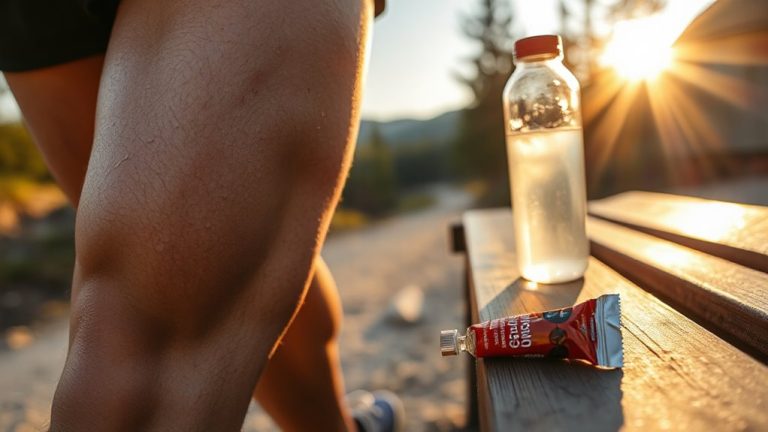
The Role of Magnesium Supplementation in Facilitating Post-Exercise Muscle Relaxation
You lose magnesium through sweat and exercise increases your body’s demand for it, especially in muscle relaxation and nerve function. Supplementing helps maintain electrolyte balance, reduces cramps, and supports recovery from micro-tears and inflammation. Magnesium glycinate or malate are top choices-glycinate calms nerves post-workout, while malate may boost energy repair. Take 200–400 mg after training or before bed for best results, as consistent dosing beats occasional high amounts. The right form and timing improve how well your muscles recover, especially if you’re active. You’ll soon see how other recovery habits also play a key role.
Notable Insights
- Magnesium supports neuromuscular function, helping reduce post-exercise muscle cramps and promoting relaxation.
- It aids muscle recovery by maintaining electrolyte balance crucial for proper muscle function and relaxation.
- Intense workouts increase magnesium loss through sweat, raising the need for supplementation post-exercise.
- Magnesium glycinate is highly absorbable and effective when taken 30–60 minutes after exercise to support recovery.
- Consistent daily intake of 200–400 mg, especially with malate or glycinate forms, enhances post-workout muscle relaxation.
Does Magnesium Help With Muscle Soreness?
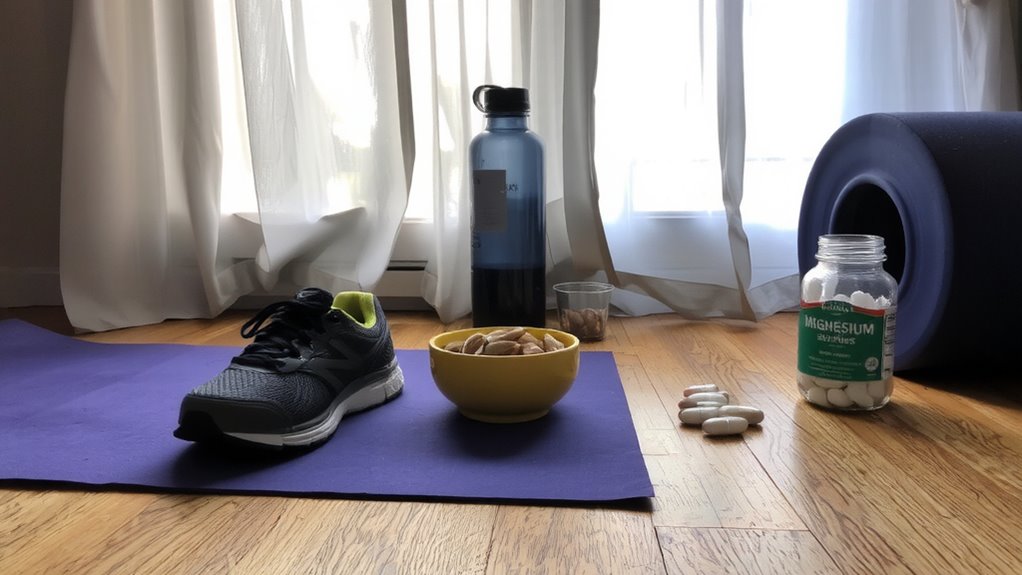
So, why might you still feel sore after a tough workout despite cooling down and stretching? Even with proper technique, your muscles undergo micro-tears and inflammation during intense activity, and full muscle recovery doesn’t happen overnight. Magnesium plays a key role here-it supports neuromuscular function and helps maintain electrolyte balance, both critical for reducing cramps and soreness. You likely lose magnesium through sweat, and without replenishing it, your body struggles to relax muscle tissue effectively. While research shows mixed results, many athletes report quicker recovery and less discomfort when supplementing with magnesium. It’s not a magic fix, but when combined with hydration and proper nutrition, it supports the body’s natural repair processes. High-quality supplements or transdermal magnesium gels may enhance absorption. Still, consistent training, rest, and balanced electrolyte intake remain central to long-term fitness recovery.
Why Workouts Deplete Your Magnesium Levels
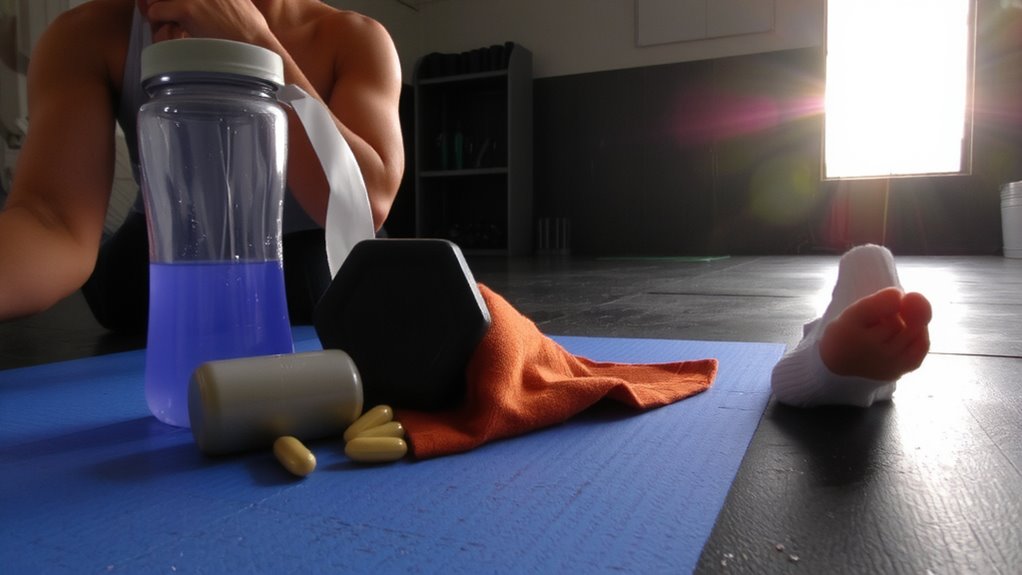
While you’re pushing through a tough training session, your body’s magnesium levels are quietly taking a hit-mainly through sweat and increased metabolic demand. Every contraction your muscles make requires magnesium, and intense activity ramps up this need. As you sweat, you’re not just losing fluids-you’re shedding key minerals, contributing to electrolyte imbalance. This can impair nerve function and reduce recovery efficiency. Exercise also generates oxidative stress, which increases the body’s reliance on magnesium as a cofactor in antioxidant systems. Without enough magnesium, your body struggles to neutralize free radicals produced during exertion. Fitness recovery isn’t just about stretching or gear quality; it’s about internal balance. Relying solely on external tools like foam rollers or compression wear won’t address mineral depletion. Your body’s ability to bounce back depends on foundational nutrients, and magnesium sits at the top. Neglecting it undermines even the most optimized routine.
Are You Low? Signs of Magnesium Deficiency
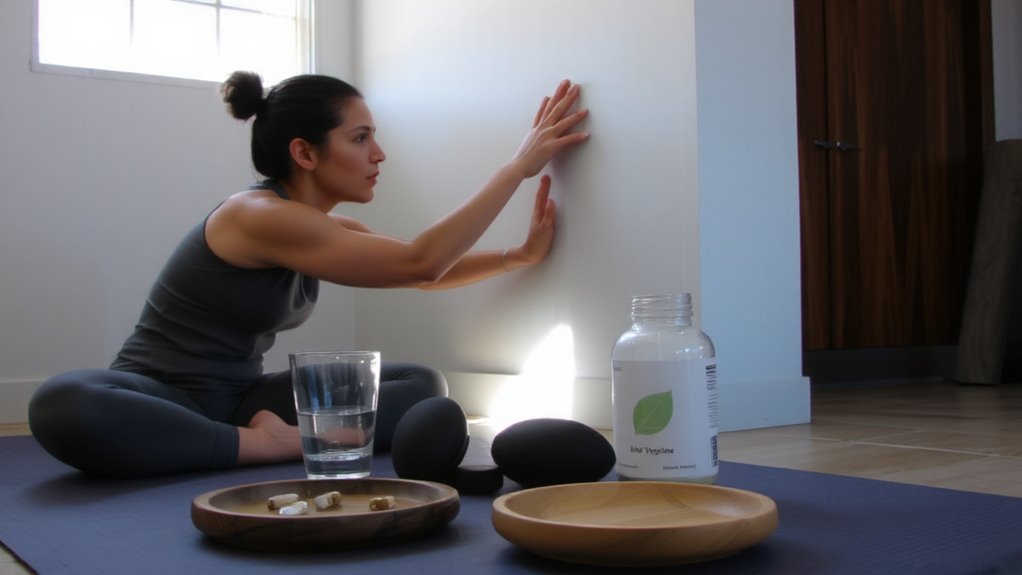
How would you feel if your recovery routine kept falling short, no matter how many foam rollers or recovery boots you bought? You might be experiencing magnesium deficiency without realizing it. This common imbalance often goes unnoticed, yet it directly impacts your post-exercise recovery. If you frequently suffer from muscle cramps, especially at night or after intense activity, that’s a classic red flag. Your muscles rely on magnesium to relax after contracting, and without enough, tension lingers. You might also feel persistent fatigue, irritability, or even sleep disturbances-subtle signs your body isn’t recovering efficiently. While recovery gear helps circulation and temporary soreness, it won’t fix an internal shortfall. Magnesium deficiency undermines recovery at the cellular level, making even the most advanced tools less effective. Recognizing symptoms like muscle cramps early allows timely intervention, improving both performance and rest. Top-rated magnesium sprays can offer a convenient and effective way to boost magnesium levels directly through the skin.
Which Magnesium Type Is Best After a Workout?
You’ve probably noticed how muscle cramps and poor sleep don’t just slow recovery-they make the whole process feel like an uphill grind, no matter how many high-end compression devices or cryo chambers you add to your lineup. When it comes to post-workout recovery, magnesium type matters. For ideal magnesium absorption, forms like magnesium glycinate and malate stand out. Glycinate is gentle on the stomach and supports relaxation and sleep, making it ideal after evening sessions. Malate, bonded with malic acid, may boost energy production and reduce muscle fatigue. Your workout timing influences effectiveness-glycinate works well at night, while malate fits better post-morning or afternoon training. Though chelated forms cost more, their superior absorption often justifies the price. Avoid oxide forms-they’re poorly absorbed. Choosing the right type improves recovery efficiency, letting you train smarter, not harder.
Best Time and Dose for Recovery
Because recovery doesn’t start the moment you stop moving, timing your magnesium intake right can make a real difference in how quickly your muscles rebound. For ideal timing benefits, take magnesium 30–60 minutes post-workout, when your body is most receptive to nutrient uptake. This window supports muscle relaxation and reduces cramping. Some also benefit from a second dose before bed, as magnesium aids sleep quality-another recovery booster. As for dosage frequency, aim for 200–400 mg daily, split if needed, depending on body weight and activity level. Consistency matters more than megadosing, which can lead to digestive discomfort. Glycinate or malate forms are ideal, balancing absorption and tolerability. While wearable recovery gear like compression tools or EMS units may support circulation, they work best alongside proper nutrition. Pairing timely magnesium supplementation with smart recovery tools enhances results-making timing benefits and dosage frequency key parts of a practical, science-backed routine.
On a final note
You’re likely to recover faster when you replenish magnesium, especially after intense workouts that deplete your stores. Supplements like magnesium glycinate or malate support muscle relaxation and reduce soreness by aiding electrolyte balance and nerve function. Taken post-exercise, they complement recovery gear like foam rollers and compression wear. While not a magic fix, consistent, well-timed doses enhance overall recovery strategy effectiveness-backed by both physiology and performance feedback.