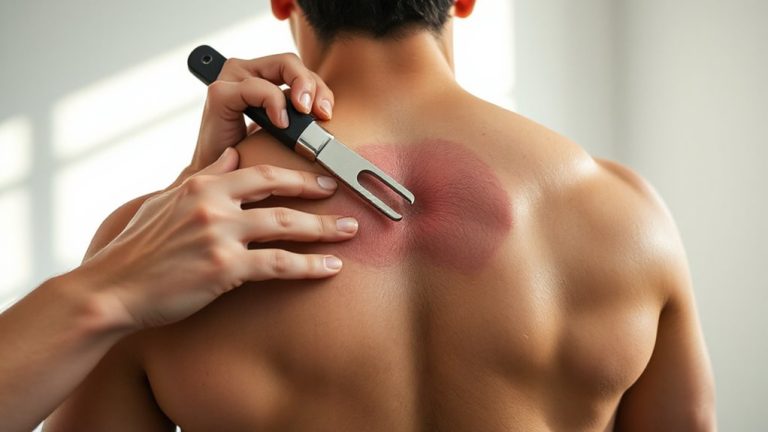
Maximizing Recovery Through Strategic Application of Manual Lymphatic Drainage (MLD)
You heal faster with Manual Lymphatic Drainage (MLD) when it’s timed right-start 48 to 72 hours post-surgery if your doctor approves. This boosts lymph flow by up to 60%, cutting swelling and speeding recovery. Focus on key areas like the face, ankles, or post-op sites, and match sessions to your healing phase: twice weekly early on, then weekly. Pair MLD with compression garments and gentle movement for best results. Avoid it with infections or blood clots. The right strategy sharpens outcomes-there’s more to learn about fine-tuning your recovery plan.
Notable Insights
- Begin MLD 48–72 hours post-surgery with physician approval to enhance lymphatic clearance while minimizing infection risk.
- Target high-need areas like surgical sites, breasts, axillae, ankles, and face for optimal fluid reduction and healing.
- Align MLD frequency with recovery phases: twice weekly in acute, weekly in subacute, and biweekly in remodelling stages.
- Combine MLD with compression garments, gentle movement, or compression boots to sustain lymphatic flow between sessions.
- Discontinue MLD during active infections, cellulitis, untreated wounds, DVT, or conditions like congestive heart failure to avoid complications.
What Is Manual Lymphatic Drainage and How Does It Speed Recovery?
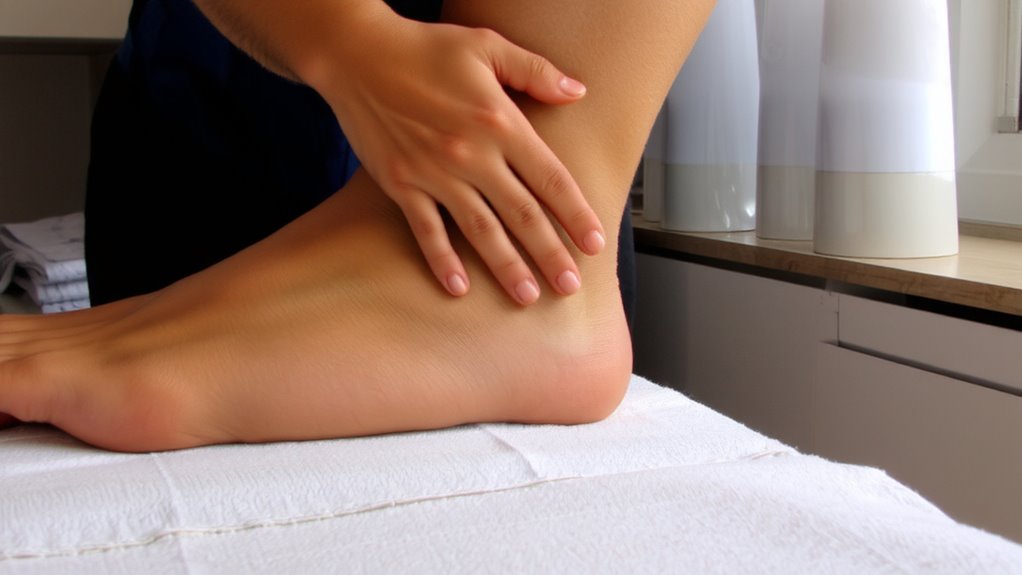
Think of your lymphatic system as the body’s quiet cleanup crew-always working, but rarely noticed until something’s off. Manual Lymphatic Drainage (MLD) helps by gently stimulating lymph flow, guiding excess fluid toward functioning nodes. You’re not just reducing swelling-you’re creating better conditions for tissue repair. Unlike aggressive massage, MLD uses light, rhythmic strokes that follow precise anatomical pathways, making it effective post-injury or after intense training. Evidence shows consistent sessions improve recovery speed, especially when paired with proper hydration and movement. Fitness recovery isn’t just about rest-tools like compression gear support the process, but MLD addresses the internal environment directly. You’re optimizing circulation where machines can’t reach. It’s not a luxury; it’s a strategic step. When recovery is your goal, enhancing lymph flow isn’t optional-it’s essential.
When Should You Start MLD After Surgery or Injury?
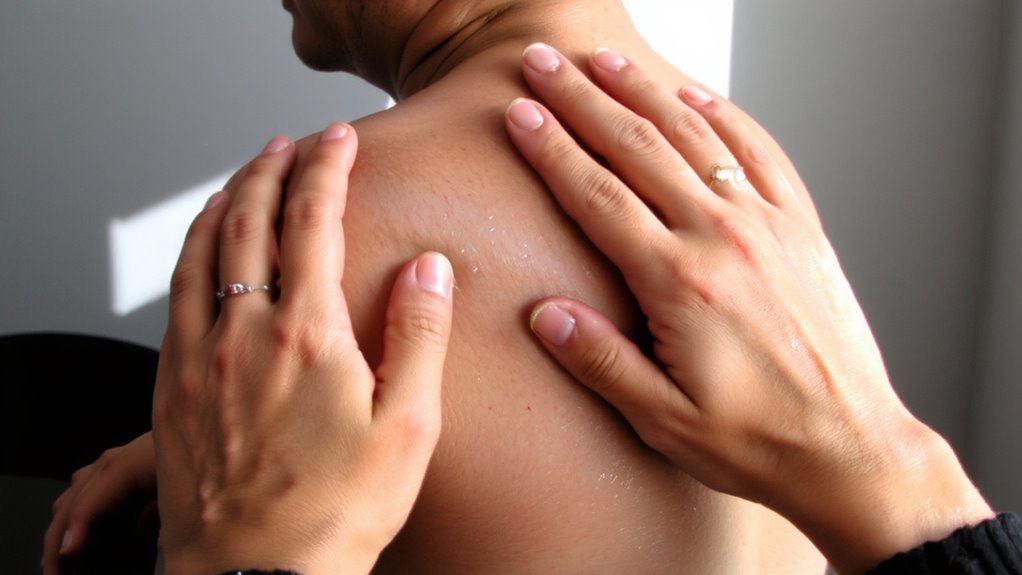
When should you actually begin Manual Lymphatic Drainage after surgery or an injury? It depends on postoperative timing and injury onset. For most surgeries, you can start MLD 48 to 72 hours post-op, assuming your physician approves and there are no complications. Early intervention helps reduce swelling and speeds tissue repair, but rushing it may increase infection risk or disrupt healing. After soft tissue injuries, starting MLD within 48 hours of onset often improves lymphatic clearance and minimizes bruising. However, acute inflammation phases demand caution-gentle techniques are key. Medical clearance is essential before beginning, especially with vascular concerns or active infections. Proper timing maximizes results without compromising safety. You’re not just recovering; you’re optimizing healing. So, coordinate with your care team to determine the ideal start window. Well-timed MLD supports faster return to activity, enhances comfort, and strengthens recovery outcomes when applied with precision and care.
Which Body Areas Need MLD for Swelling Relief?
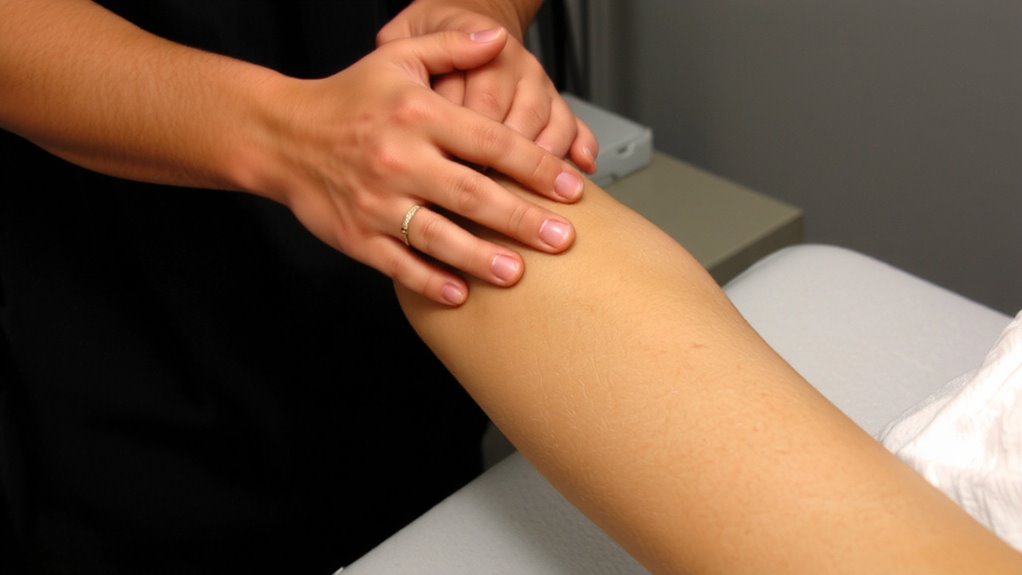
You’ve already considered when to begin Manual Lymphatic Drainage after surgery or injury, and now it’s time to focus on where it matters most. Swelling often targets predictable areas, and MLD shines where fluid accumulates stubbornly. Facial edema, common after facial surgeries or sinus issues, responds well to gentle MLD techniques that encourage lymph flow toward cervical nodes. You’ll notice reduced puffiness and faster healing when treatment includes the face. Similarly, post surgical ankles are frequent trouble spots-immobility and gravity combine to pool lymphatic fluid. Applying MLD to the lower legs and feet helps redirect fluid proximally, easing discomfort and accelerating recovery. Other high-need zones include the breasts and axillae after mastectomy, and surgical sites along the torso or limbs. Targeting these areas strategically improves outcomes markedly. While recovery gear like compression sleeves supports MLD, skilled touch remains essential for ideal lymphatic activation.
When Should MLD Happen During Each Recovery Phase?
How soon after surgery or injury should you start Manual Lymphatic Drainage, and how often should it continue? You can typically begin MLD 48 to 72 hours post-op, but only if your healthcare provider approves-this early start helps reduce initial swelling. During the acute phase, twice-weekly sessions support best lymph flow and tissue healing. As you shift into the subacute stage, weekly sessions usually suffice, aligning with your body’s natural recovery rhythm. Timing protocols must match each recovery phase to maximize benefits and avoid system overload. Phase alignment guarantees MLD isn’t applied too aggressively-or too late-when your lymphatic system is most responsive. Continuing into the remodelling phase, maintenance sessions every 1–2 weeks help prevent fluid buildup and fibrosis. Proper scheduling doesn’t just aid recovery-it enhances long-term tissue function and minimizes complications when integrated strategically.
Can You Combine MLD With Compression and Movement?
Why rely on just one recovery tool when synergy could accelerate your healing? You can absolutely combine MLD with compression and movement-their dynamic integration enhances lymphatic flow more effectively than any single method alone. Compression garments maintain consistent pressure, supporting vessel clearance between MLD sessions, while gentle movement stimulates muscle pumps that drive fluid transport. Together, they create lymphatic synergy, boosting your body’s natural detox and reducing swelling faster. Think of MLD as jump-starting the system, compression as sustaining momentum, and movement as reinforcing circulation. Clinical observations show patients using all three report reduced edema and faster recovery times, especially post-surgery or intense training. Just make certain compression levels match medical or performance guidelines-too tight restricts flow, too loose does little. When timed right, this trio becomes a potent recovery strategy. Dynamic integration isn’t just efficient-it’s essential for optimized healing. For enhanced results, consider using programmable leg compression boots that deliver sequential pressure mimicking manual lymphatic drainage.
How Often Should You Get MLD for Faster Healing?
What if recovery weren’t just about rest, but about timing and rhythm? Your body responds best when MLD aligns with natural healing cycles. Frequency timing matters-too sparse, and gains fade; too frequent, and your system can’t keep up. For accelerated healing, especially post-surgery or injury, 2–3 sessions weekly is ideal in the first phase. After initial swelling drops, session spacing can ease to weekly or biweekly. Acute conditions benefit from tighter scheduling, while maintenance leans on consistency, not intensity. You’re not just moving fluid-you’re training your lymphatic system. Think of MLD like precision fitness gear: useful only when applied with correct specs and intervals. Overuse won’t speed progress; instead, smart session spacing enhances drainage efficiency. Let your body’s response guide adjustments, ensuring each session builds on the last. This rhythm-measured, deliberate-is what turns MLD into a recovery accelerator.
When Should You Avoid or Stop MLD?
You’ve tuned your MLD schedule to match your body’s healing rhythm, using consistent, well-placed sessions to boost lymphatic efficiency. But there are times you should pause or avoid treatment altogether. Active infections increase infection risk, and MLD could spread pathogens through the lymphatic system. You must stop if you have fever, cellulitis, or untreated wounds. Certain contraindicated conditions like congestive heart failure or deep vein thrombosis also demand caution-MLD’s fluid shift could worsen these states. Acute inflammation or cancer with active metastasis are other key reasons to hold off. Always consult your healthcare provider before resuming sessions post-illness. While MLD enhances recovery, applying it at the wrong time may do more harm than good. Knowing when not to proceed is just as essential as knowing when to start.
On a final note
You’ll speed recovery best when you apply MLD strategically-timing matters just as much as technique. Used correctly, it reduces swelling and supports healing, especially post-surgery or after soft tissue injuries. Pairing MLD with compression and gentle movement boosts results, but overuse or incorrect application can backfire. You should skip it with active infections or blood clots. For best outcomes, follow phased protocols and listen to your body’s signals throughout recovery.