Pursed-Lip Breathing While Cycling on Recumbent Bike for Cardiovascular Recovery
You’re using pursed-lip breathing while cycling on a recumbent bike to boost cardiovascular recovery by improving oxygen exchange and reducing breathlessness. The reclined position supports diaphragmatic breathing, while exhaling through pursed lips prevents air trapping and stabilizes breathing rhythm. Syncing your breath with pedal strokes enhances efficiency and lowers heart rate post-exertion. This method combines well with low-impact, joint-friendly recumbent design. You’ll gain endurance, support heart-lung coordination, and build consistent recovery habits-especially when practiced regularly in rehab-focused sessions. There’s a more effective way to time your inhale-exhale cycle with resistance levels.
Notable Insights
- Pursed-lip breathing during recumbent cycling enhances oxygen exchange and reduces shortness of breath.
- The reclined position supports diaphragmatic breathing, improving breath control and respiratory efficiency.
- Syncing exhalation through pursed lips with pedal downstroke optimizes breathing and cycling coordination.
- Recumbent cycling provides low-impact cardiovascular exercise ideal for post-exertion and cardiac recovery.
- Regular practice improves functional capacity, endurance, and long-term cardiopulmonary health.
What Is Pursed-Lip Breathing and Why It Helps Cardiac Recovery?
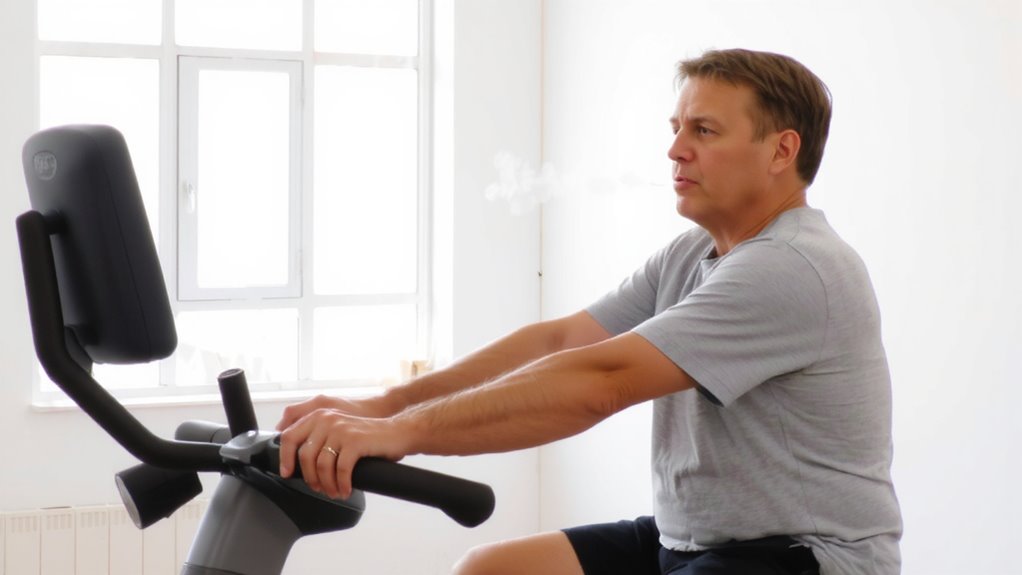
While you might not think about your breathing technique during recovery, pursed-lip breathing can make a meaningful difference in how quickly your cardiovascular system stabilizes after cycling. You inhale slowly through your nose for two counts, then exhale through pursed lips for four, creating backpressure that keeps airways open longer. This method encourages diaphragmatic engagement, making your primary breathing muscle work more efficiently rather than relying on shallow chest breaths. As a result, you improve oxygen efficiency-your body uses oxygen more effectively while removing carbon dioxide steadily. Studies show this reduces shortness of breath and heart rate post-exercise, especially useful after moderate to intense cycling sessions. Though simple, it’s a clinically supported technique that complements heart-lung coordination. You don’t need special fitness gear-just consistency. Over time, you’ll notice better control, faster recovery, and improved endurance, making it a practical, accessible strategy for anyone serious about cardiovascular health.
Why Pair Pursed-Lip Breathing With Recumbent Cycling?
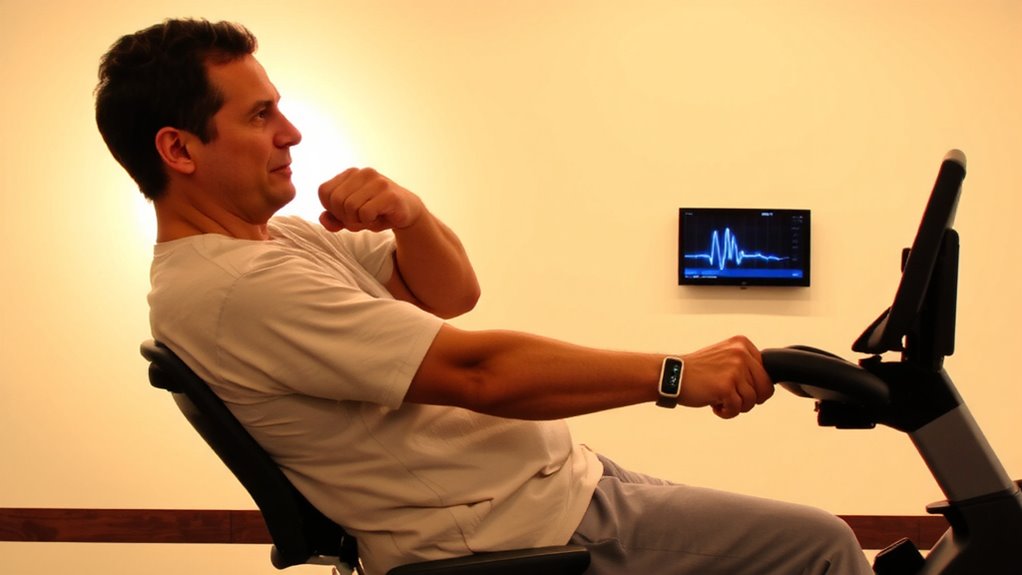
Because recumbent bikes support a reclined posture with built-in backrests, they naturally promote relaxed breathing patterns that make it easier to practice pursed-lip breathing effectively during recovery. You’ll find the seated position stabilizes your core, reducing strain and allowing better focus on breath control. The design of recumbent bikes also minimizes breath resistance compared to upright models, supporting smoother airflow when exhaling against pursed lips. This technique enhances muscle oxygenation by slowing breath rate and increasing air exchange in the lungs. Combined, these factors improve cardiovascular recovery by maintaining steady oxygen delivery while reducing shortness of breath. Unlike other fitness gear, recumbent bikes offer ergonomic alignment that complements controlled breathing, making them efficient tools for rehabilitation. You get consistent performance with lower joint impact, ideal for post-exertion recovery. It’s a practical, well-balanced approach backed by both design and physiology. For optimal results, consider models highlighted in the Best Recumbent Bikes for 2025 roundup to ensure maximum comfort and functionality.
How to Practice Pursed-Lip Breathing While Cycling?
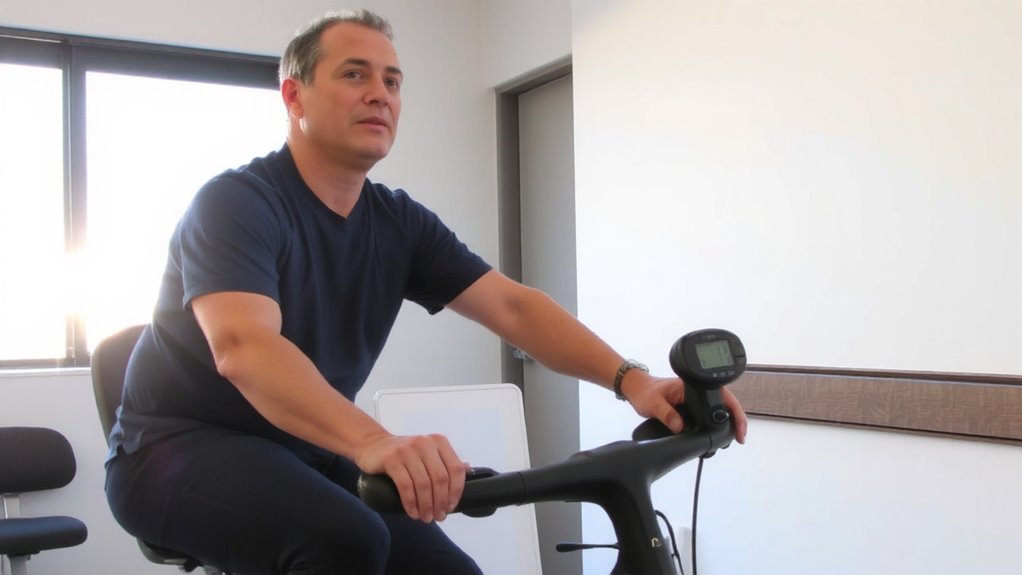
You’re already set up for success if you’ve chosen a recumbent bike, since its supported posture creates the ideal environment to integrate pursed-lip breathing into your cycling routine. Sit comfortably, keep your back flat against the seat, and focus on slow nasal inhalation-this optimizes lung expansion. Then, purse your lips slightly and exhale gently over 4–6 seconds, regulating breath timing to stabilize airflow. This method reduces air trapping and enhances oxygen exchange, especially beneficial during cardiovascular recovery. Maintain a relaxed jaw and open airway throughout. Don’t force volume; instead, prioritize steady, controlled breaths. The recumbent’s design supports diaphragmatic breathing, making it easier to sustain technique over longer sessions. Consistent practice improves respiratory efficiency and complements endurance gains. When paired with proper bike adjustment-aligned seat, supportive backrest-pursed-lip breathing becomes both accessible and effective. It’s a simple, equipment-friendly strategy that enhances recovery-focused workouts without added cost or complexity.
Sync Your Breath With Your Pedal Stroke?
How often do you consider the rhythm of your breath in relation to your pedal stroke? Syncing your breath timing with your pedal rhythm can enhance efficiency and support cardiovascular recovery. On a recumbent bike, where stability and posture are optimized, you’re better positioned to focus on this coordination. Inhaling during the upstroke and exhaling during the downstroke creates a natural flow, reducing unnecessary strain. This pattern promotes consistent oxygen delivery, helping your heart and muscles recover more effectively post-exertion. While not essential for all riders, aligning breath with movement often improves endurance and mental focus. It’s especially useful when using pursed-lip breathing, as it regulates airflow without disrupting effort. Though individual comfort varies, experimenting with breath timing can reveal meaningful gains in control and stamina. The design of recumbent bikes, with their reclined support, makes maintaining this sync more achievable than on upright models, giving you a practical edge during recovery-focused sessions.
Avoid These Common Breathing Mistakes on the Bike?
Why do some riders feel fatigued sooner than expected, despite maintaining a steady pace and proper form? Common breathing mistakes like shallow breathing and breath holding sabotage your effort. When you take short, tight breaths or unconsciously pause your breathing during exertion, you limit oxygen flow and increase stress on your cardiovascular system. This undermines recovery and reduces endurance over time.
| Mistake | Effect on Performance | Fix with Pursed-Lip Breathing |
|---|---|---|
| Shallow breathing | Low oxygen, early fatigue | Deeper inhalations, controlled exhalations |
| Breath holding | Increased blood pressure | Steady rhythm, consistent airflow |
| Irregular pace | Poor pedal coordination | Sync breath with pedal stroke |
Avoid these errors to maintain cardiovascular efficiency. Proper technique supports recovery and keeps your workout effective.
Safely Build Stamina With Breath-Controlled Cycling?
Mastering breath control on the bike doesn’t just prevent setbacks-it actively strengthens your stamina over time. You’re using pursed-lip breathing to create mild breath resistance, which helps stabilize airflow and reduces rapid fatigue. This technique promotes energy conservation by smoothing oxygen delivery and lowering your perceived exertion. As you cycle, controlled exhales extend your endurance, letting you maintain moderate intensity longer without gasping. Unlike unregulated breathing, this method supports diaphragmatic efficiency and keeps your heart rate in a recovery-focused zone. Equipment-wise, recumbent bikes offer ergonomic support, but breath control is what fine-tunes the session. You don’t need advanced gear-just consistent technique. Over weeks, you’ll notice greater lung efficiency and improved cardiovascular resilience. Breath-controlled cycling isn’t just about movement; it’s about syncing effort and airflow to build sustainable stamina safely.
Use This Technique in Daily Cardiac Rehab Sessions?
Could something as simple as your breath make a real difference in cardiac rehab? Absolutely-especially when you integrate pursed-lip breathing into daily sessions. This technique enhances breath awareness and promotes muscle relaxation, both critical for steady cardiovascular recovery. When added to recumbent cycling, it helps regulate exertion and reduces dyspnea. Here’s how it fits:
| Phase | Benefit |
|---|---|
| Warm-up (5 min) | Builds breath awareness gradually |
| Cycling (15–20 min) | Improves O₂ exchange, eases load |
| Cool-down (5 min) | Enhances muscle relaxation |
You’ll find the rhythm stabilizes heart rate and improves workout tolerance. Unlike high-tech fitness gear, this method uses controlled physiology-not expensive components. It’s low-risk, easy to monitor, and adapts seamlessly. For consistent gains in functional capacity, yes, use this daily.
On a final note
You’re likely to find that combining pursed-lip breathing with recumbent cycling enhances cardiovascular recovery by stabilizing oxygen exchange and reducing breathlessness. This technique improves diaphragmatic efficiency and workout endurance, especially in cardiac rehab. When synced with your pedal stroke, breath control boosts rhythm and focus. Used consistently, it supports safer stamina building. Recumbent bikes, with their ergonomic design, complement this method-offering comfort and correct posture for ideal respiratory performance during recovery-focused sessions.