The Role of Deep Sleep in Muscle Repair and Growth for Endurance Athletes
You’re not just resting during deep sleep-you’re rebuilding. Your body releases growth hormone, which fuels protein synthesis and repairs muscle microtears, especially in the first half of the night. Blood flow increases to muscles, aiding recovery and reducing inflammation. Skipping deep sleep hampers glycogen restoration and endurance gains. While recovery gear helps, it can’t replace this biological process. For endurance athletes, quality sleep is non-negotiable-and understanding its full impact reveals just how much lies beneath peak performance.
Notable Insights
- Deep sleep drives muscle repair by boosting protein synthesis and tissue regeneration through growth hormone release.
- Glycogen restoration and aerobic performance depend on deep sleep, especially for endurance athletes.
- Microtears from training are repaired during deep sleep, enhancing muscle strength and recovery.
- Hormonal balance is optimized in deep sleep, increasing growth hormone and reducing cortisol.
- Cooling the body, avoiding screens, and consistent routines improve deep sleep quality for better recovery.
Why Deep Sleep Speeds Muscle Recovery

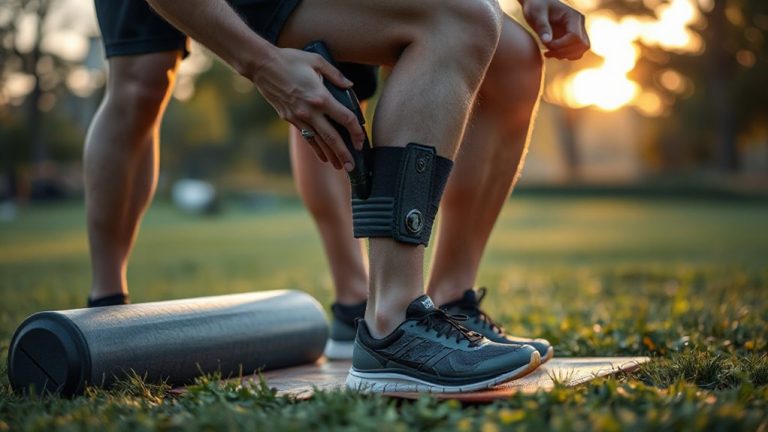
While you’re powering through intense training sessions, it’s during deep sleep that your body truly gets to work on repairing and rebuilding muscle tissue. This is when cell regeneration peaks, allowing damaged fibers to heal more efficiently. Your body also ramps up protein synthesis, vital for strengthening muscle structure and improving recovery time. Without enough quality sleep, these processes slow down, undermining your workout gains. Even the best recovery gear-like compression wear or foam rollers-can’t compensate for poor sleep. While such tools support circulation and reduce soreness, they’re most effective when paired with solid rest. Deep sleep isn’t just downtime; it’s a biological necessity for athletes. Skimping on it limits adaptation, increases injury risk, and blunts performance. Prioritize consistent, uninterrupted sleep, and you’ll notice better resilience, faster recovery, and improved overall results. It’s the foundation no fitness tool can replace.
How Growth Hormone Repairs Muscles Overnight

Since your body’s repair systems kick into high gear the moment you drift into deep sleep, that’s when growth hormone surges-peaking in the first half of the night-and gets to work rebuilding muscle tissue broken down during training. This hormone secretion triggers protein synthesis and accelerates tissue regeneration, helping your muscles adapt and grow stronger. You’re not just resting-you’re actively healing. Recovery isn’t passive, and skimping on sleep undermines the gains you worked hard for during training. Proper hormone secretion during deep sleep optimizes recovery more effectively than any recovery gear on the market.
| Process | Role in Muscle Repair |
|---|---|
| Hormone secretion | Stimulates repair pathways |
| Protein synthesis | Rebuilds damaged fibers |
| Tissue regeneration | Restores muscle strength |
| Deep sleep cycles | Maximize growth hormone release |
What Your Muscles Do During Deep Sleep

What if your muscles were busiest not during your workout, but while you’re completely still? During deep sleep, they’re hard at work repairing microtears from training. You might not feel it, but subtle muscle twitches help reset neural pathways, improving coordination and response over time. This phase spikes protein synthesis, where amino acids rebuild fibers stronger than before-essential for endurance recovery. Blood flow shifts toward muscles, delivering nutrients efficiently while inflammation markers drop. This isn’t passive rest; it’s active reconstruction. Without this window, even ideal training loses value. Recovery-specific fitness gear, like compression aids or temperature-regulating sleepwear, may support this process by enhancing circulation or stabilizing muscle temperature. But no gadget replaces the biological priority of uninterrupted deep sleep. The data consistently shows that structural gains depend on this phase. So while tracking devices highlight sleep stages, remember: it’s not just about duration, but quality where muscle repair becomes measurable.
Why Skipping Deep Sleep Blocks Endurance Gains
You just read how deep sleep drives muscle repair, but missing this phase doesn’t just slow recovery-it actively undermines endurance progress. Without deep sleep, your body can’t fully restore glycogen stores or synthesize proteins needed for stamina and performance. Sleep deprivation disrupts hormonal balance, reducing growth hormone release and increasing cortisol, which breaks down muscle. Over time, this hampers your aerobic efficiency and VO2 max improvements. You’re also more prone to mental fatigue, making workouts feel harder and weakening focus during training. Even with perfect nutrition and gear, skipping deep sleep sabotages adaptation. Your body can’t convert effort into endurance gains. Recovery isn’t just about rest-it’s about quality sleep that supports physiological change. Ignoring it means training harder without getting faster. Consistent deep sleep isn’t optional; it’s the foundation of endurance development, as critical as hydration or proper footwear in long-term athletic performance.
5 Science-Backed Tips to Deepen Recovery Sleep
How do elite athletes consistently achieve the deep, restorative sleep needed for muscle repair and endurance adaptation? They prioritize science-backed habits. First, optimize your sleep environment: keep the room cool (around 65°F), dark, and quiet, using blackout curtains and white noise if needed. A mattress that supports spinal alignment enhances comfort and recovery quality. A chiropractor-recommended mattress can further ensure proper spinal support throughout the night. Second, stick to consistent pre sleep routines-activities like reading, light stretching, or meditation signal your body it’s time to wind down. Avoid screens at least an hour before bed, as blue light suppresses melatonin. Caffeine and heavy meals late in the day also disrupt deep sleep cycles. Athletes using recovery gear like compression wear or cooling pillows often report improved sleep depth, though results vary. These strategies aren’t just convenient-they’re essential for maximizing overnight muscle repair and performance gains.
On a final note
You need deep sleep to repair muscle and boost endurance-growth hormone surges during this phase, accelerating tissue recovery. Skipping it hampers adaptation, weakening training gains. Quality sleep isn’t passive; it’s when your body rebuilds. Pairing solid recovery habits with effective fitness gear-like recovery boots or cooling mattresses-supports deeper sleep. These tools, while not magic, enhance physiological processes. Prioritize sleep like you do training: it’s essential, measurable, and irreplaceable for peak performance.