Yin Yoga Sequence Targeting Tight Hamstrings and Lower Back Tension
You’ll find lasting relief from tight hamstrings and lower back tension with a targeted Yin Yoga sequence that uses long, passive holds to gently stress connective tissues. Poses like Seated Forward Fold and Saddle Stretch improve posterior chain flexibility, while Child’s Pose and Supine Twist release deep spinal tension. Using supportive props like firm bolsters and cotton blankets enhances alignment and comfort. Consistency in this practice yields measurable gains in mobility and structural balance over time-discover how to optimize each pose for your body’s needs.
Notable Insights
- Focus on sustained stretches like Seated Forward Bend and Saddle Pose to target tight hamstrings and lower back.
- Hold each yin pose for 3–5 minutes to gently stress connective tissues and improve flexibility.
- Use props like bolsters and blankets to support alignment and reduce strain during long holds.
- Incorporate Child’s Pose and reclining twists to release tension in the lower back and spine.
- Practice a consistent 20-minute sequence including forward folds, hip openers, and twists for lasting relief.
How Yin Yoga Relieves Tight Hamstrings and Lower Back
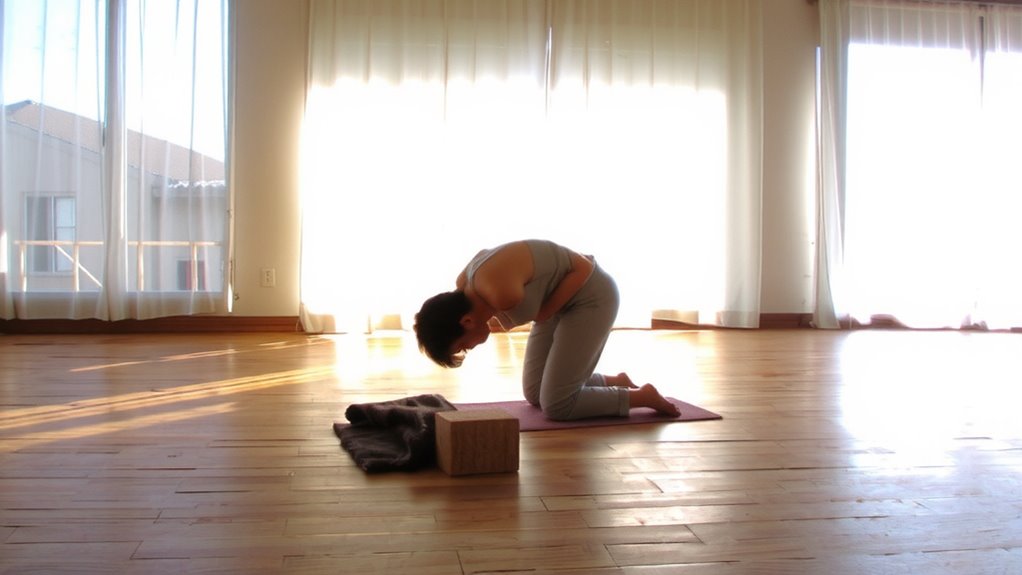
While your tight hamstrings and achy lower back might seem like stubborn holdouts, yin yoga offers a targeted, low-impact approach to release tension through sustained stretching. You hold poses for several minutes, gently stressing connective tissues, which gradually improves flexibility and joint mobility. Proper anatomical alignment guarantees you target the right areas without strain, protecting your spine while deepening the release in posterior chain muscles. This mindful positioning also prevents overstretching, making recovery both effective and safe. Beyond the physical, yin yoga influences energetic meridians-specifically the bladder and liver lines-that run along the back and inner legs. Stimulating these pathways helps balance energy flow, potentially easing chronic tension. Unlike high-intensity recovery methods, yin works subtly, complementing fitness regimens without taxing the nervous system. You’ll find it doesn’t replace active recovery but enhances it-especially when consistency and breath awareness guide your practice.
Best Props for a Comfortable Yin Practice
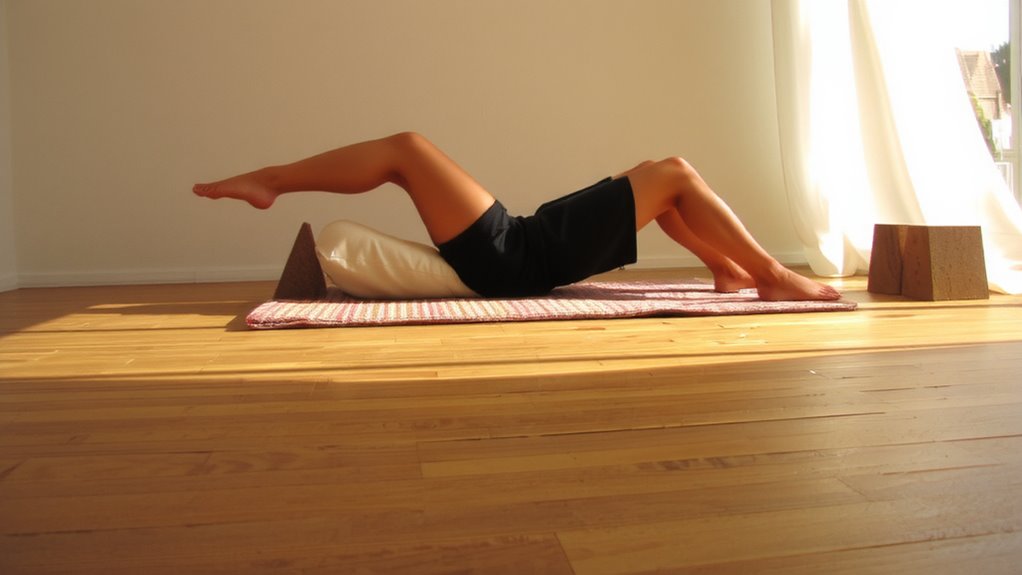
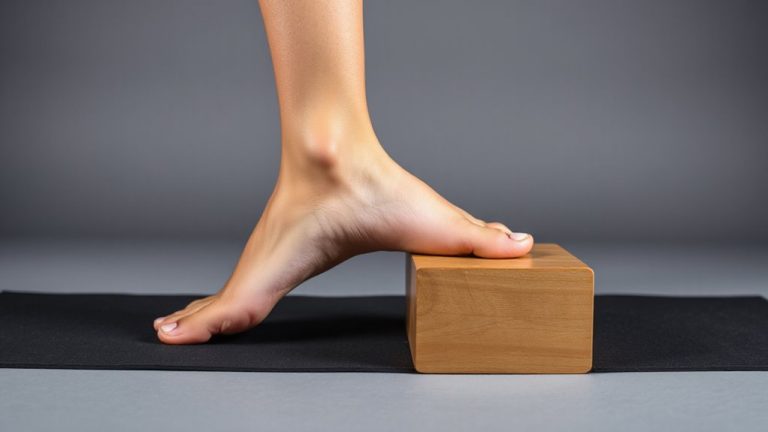
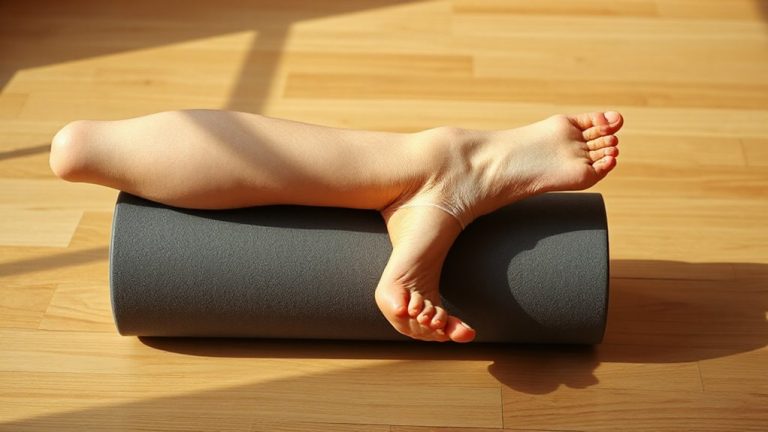
A well-chosen set of props can make all the difference in your yin yoga practice, especially when targeting tight hamstrings and a stiff lower back. You’ll want dependable bolster support to maintain proper alignment and reduce strain during long holds. Firm, rectangular bolsters offer the most stability, particularly under the spine or knees, helping you relax without sinking too deeply. Blanket cushioning is equally essential-folded blankets provide adjustable padding beneath hips, joints, or the head, preventing discomfort without compromising posture. Cotton or wool blankets hold shape well and allow breathability, enhancing comfort over extended sessions. While foam blocks are useful, they’re less adaptable than blankets for subtle elevation. Opt for dense, washable materials that retain structure. With consistent use, quality props improve both sustainability and effectiveness, allowing you to focus on release, not resistance.
Yin Poses That Release Tight Hamstrings
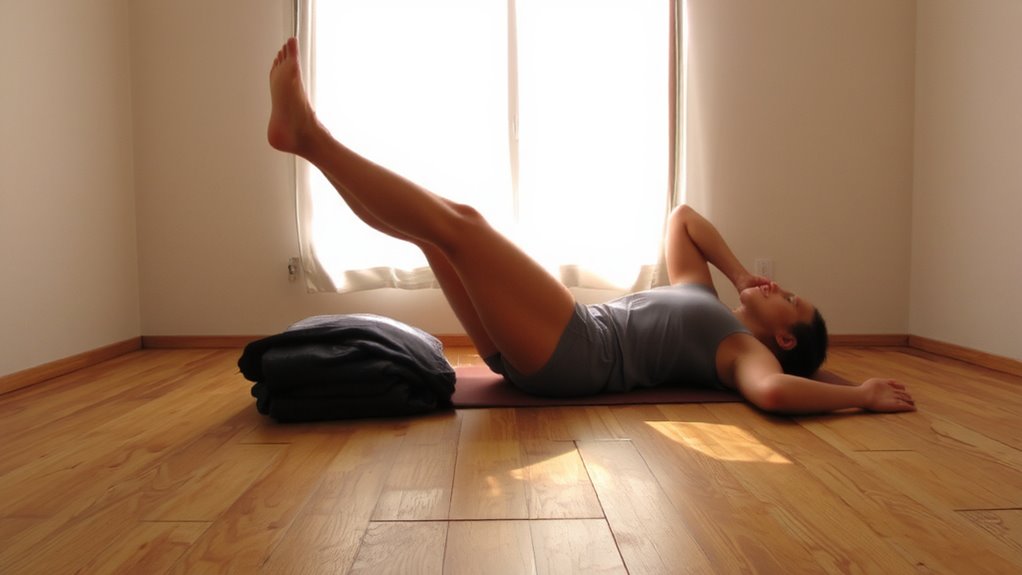
What if the key to releasing your tight hamstrings wasn’t in how hard you stretch, but in how long you hold? Yin yoga works by gently stressing connective tissues, promoting fascia hydration and enhancing meridian stimulation. Holding poses for several minutes allows deep layers of tissue to release, improving flexibility and recovery over time. Props like bolsters and blocks help maintain alignment without strain, supporting sustained holds safely.
| Pose | Hold Time | Target Area |
|---|---|---|
| Seated Forward Bend | 3–5 min | Hamstrings, spine |
| Half Butterfly | 3–4 min | Inner hamstrings |
| Wide-Legged Fold | 4–5 min | Outer hamstrings |
| Pigeon Prep | 3 min/side | Glutes, hamstrings |
| Saddle Pose | 2–3 min | Full posterior chain |
Consistency beats intensity-these postures build resilience through patience, not force.
Yin Poses to Soothe Lower Back Tension
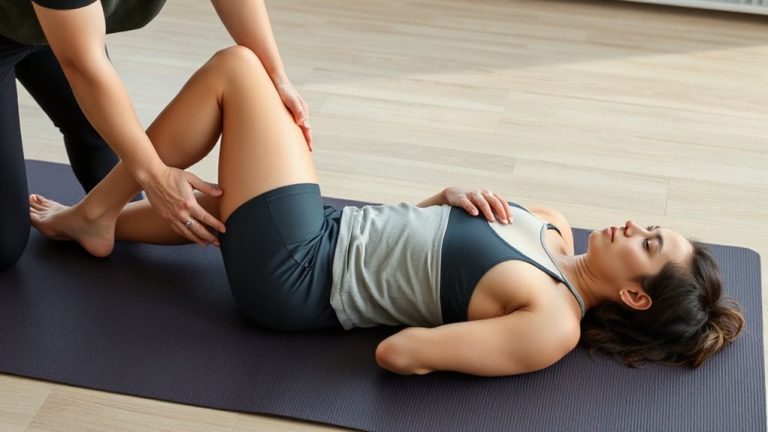
You’ve likely noticed that tight hamstrings often pull on the lower back, creating a ripple effect of tension along the posterior chain-so addressing one usually means supporting the other. Yin poses like Child’s Pose, Sphinx, and reclining twists gently release deep connective tissues around the spine, helping restore spinal alignment without strain. These postures encourage slow, deliberate breath awareness, which signals the nervous system to relax, reducing muscular guarding in the lumbar region. Unlike high-end recovery gear that promises quick fixes, consistent yin practice offers lasting structural benefits by working at the fascial and joint level. You don’t need expensive tools-just mindful time on the mat. Breath awareness deepens each release, making it easier to soften into stretches, while proper spinal alignment guarantees you’re targeting the right areas safely. Over time, you’ll notice improved mobility and decreased stiffness, proving that sometimes, less really is more.
Build a 20-Minute Routine for Lasting Relief
How do you unwind deep-seated tension without overloading your schedule or relying on costly recovery tools? With just 20 minutes a day, gentle stretching and mindful breathing can deliver lasting relief for tight hamstrings and lower back tension.
This short yin routine targets key areas with minimal gear-just a mat and optional props for comfort. Each pose is held to stimulate connective tissues, enhance joint mobility, and calm the nervous system.
| Pose | Duration | Focus Area |
|---|---|---|
| Seated Forward Fold | 3 minutes | Hamstrings, lower back |
| Saddle Pose | 4 minutes | Hip flexors, spine |
| Child’s Pose | 4 minutes | Lower back, hips |
| Supine Twist | 3 minutes (each side) | Spine, glutes |
Consistency beats intensity. You don’t need advanced fitness gear-just time, breath, and intention. This sequence promotes sustainable recovery, using stillness as effectively as movement.
On a final note
You’ve likely found that yin yoga effectively eases tight hamstrings and lower back tension through sustained, gentle stretching. When paired with quality props-like dense foam bolsters and non-slip mats-your practice becomes both safer and more effective. These tools enhance alignment and reduce strain, supporting deeper release. Consistent use of this routine improves flexibility and recovery, making it a practical addition to any fitness regimen focused on long-term mobility and joint health.