Harnessing Cold Showers: A Strategy for Enhancing Hormonal Responses and Adaptation Post-Exercise
You trigger a surge in norepinephrine and beta-endorphins when you take a cold shower after exercise, sharpening focus and blunting soreness naturally. Vasoconstriction clears lactic acid, while rewarming boosts blood flow for repair. It’s a low-cost, gear-free way to enhance recovery, reduce inflammation, and build stress resilience. Over time, your body adapts, improving circulation and cellular repair-unlocking deeper benefits the more you practice.
Notable Insights
- Cold showers post-exercise boost norepinephrine release, enhancing alertness and supporting metabolic rate elevation.
- They stimulate beta-endorphin production, providing natural pain relief and improving mood after intense workouts.
- Cold exposure activates the sympathetic nervous system, promoting resilience to oxidative stress and cellular repair.
- Vasoconstriction during cold exposure reduces inflammation and accelerates removal of metabolic waste like lactic acid.
- Regular use enhances mitochondrial biogenesis and hormonal adaptations that support long-term endurance and recovery.
How Cold Showers Supercharge Post-Workout Recovery
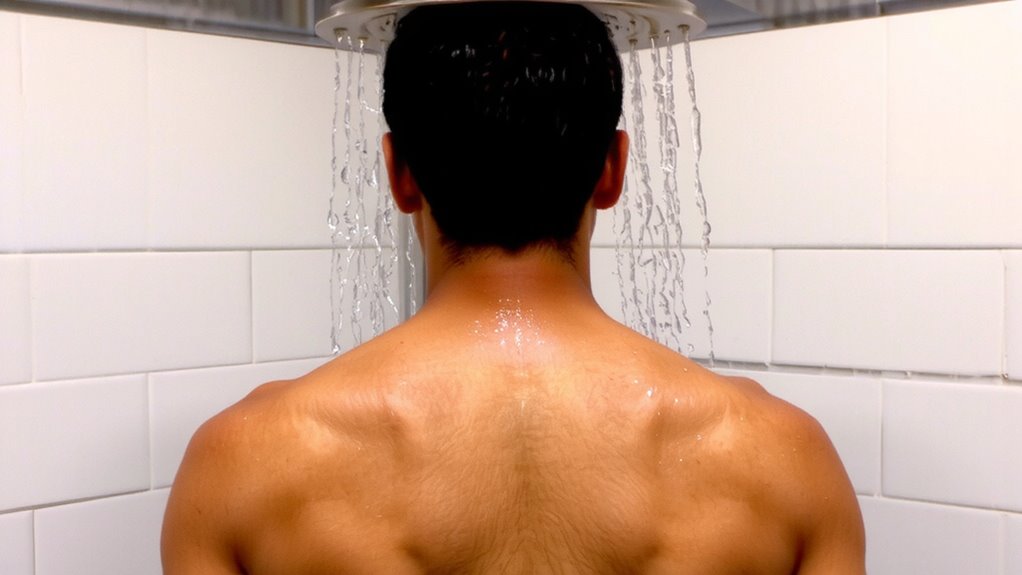
Recovery isn’t just downtime-it’s an active phase where your body repairs and strengthens itself, and cold showers have emerged as a powerful, accessible tool to accelerate that process. When you step under cool water post-workout, the cold stimulus triggers vasoconstriction, flushing metabolic waste and leading to enhanced circulation once you warm up again. This cycle supports faster removal of lactic acid, directly contributing to reduced fatigue. You’ll notice sharper mental clarity and less muscle soreness, letting you train more consistently. Cold exposure isn’t just invigorating-it’s functional. Unlike expensive recovery gear like compression boots or cryo chambers, a simple cold shower delivers measurable benefits without complex maintenance. While comfort might be limited at first, your body adapts quickly. Evidence supports its use across endurance and strength athletes, who report quicker turnaround between sessions. Used consistently, cold showers become a low-cost, high-impact recovery habit-one of the most practical tools you can harness.
Why Norepinephrine Speeds Up Muscle Recovery
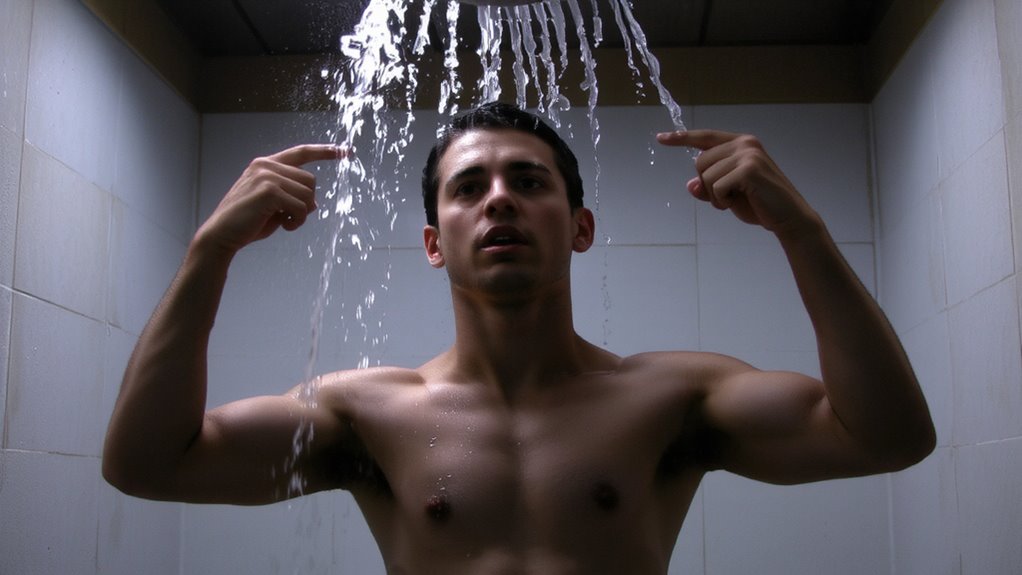
While cold exposure might seem punishing at first, it triggers a surge in norepinephrine-a hormone and neurotransmitter that plays a pivotal role in how quickly your muscles rebound after intense training. You feel more alert, yes, but it’s not just about mental sharpness. Norepinephrine enhances blood flow to damaged tissues, accelerating muscle repair by supporting the delivery of oxygen and nutrients essential for recovery. It also stimulates cellular regeneration, helping replace worn-out fibers with stronger, more resilient ones. Fitness gear like compression sleeves may aid circulation, but they don’t influence hormonal responses the way cold showers do. This physiological shift isn’t just theoretical-it’s observable in shorter recovery windows and reduced soreness. While not a standalone solution, cold-induced norepinephrine release optimizes your body’s natural repair systems. Combined with proper nutrition and sleep, it becomes a practical, low-cost tool in any serious recovery protocol. Top-rated recovery tools can complement this approach by supporting additional recovery pathways.
How Cold Showers Trigger Natural Pain Relief
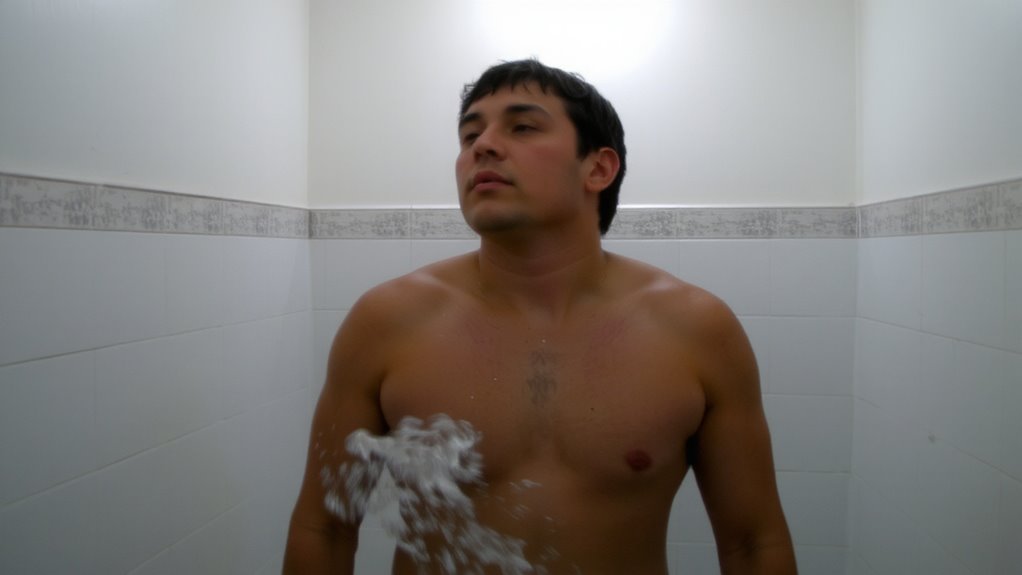
You’re already feeling the effects of norepinephrine pumping through your system after that icy post-workout shower-heightened alertness, sharper focus, and better blood flow aiding your muscle repair. But there’s more: cold exposure stimulates endorphin release, your body’s natural painkiller, helping ease discomfort without pills. That sudden chill also forces a nervous system reset, shifting you from stressed reactivity to calm control. Over time, this trains your body to recover faster and handle physical strain more efficiently.
| Benefit | Mechanism |
|---|---|
| Reduced pain perception | Endorphin release |
| Improved mood | Nervous system reset |
| Faster recovery | Increased circulation |
| Enhanced resilience | Regular cold adaptation |
Cold showers aren’t just bracing-they’re a tool. Used consistently, they sharpen your body’s response to stress and support long-term fitness recovery with no gear needed-just discipline.
Cold Therapy for Inflammation and Sore Muscles
Though delayed onset muscle soreness (DOMS) is a common consequence of intense training, cold therapy after exercise can markedly reduce inflammation and ease discomfort by constricting blood vessels and slowing cellular metabolism. You’ll find ice immersion particularly effective, as submerging in temperatures between 10–15°C for 10–15 minutes limits swelling and numbs sore tissues. While it’s more extreme than a cold shower, many athletes use it for targeted recovery. Contrast therapy-alternating between cold and warm exposure-also helps by boosting circulation after initial vasoconstriction. Though not all studies agree, real-world performance suggests it reduces perceived soreness. Unlike aggressive cryotherapy chambers, basic cold showers or ice immersion are accessible and cost-effective. They integrate easily into recovery routines without specialized fitness gear. For best results, stick to brief, consistent sessions post-workout. Over time, you’ll notice quicker physical rebounds, making cold therapy a practical, low-tech addition to smart recovery.
Build Resilience: Long-Term Benefits of Cold Exposure
Cold exposure isn’t just about immediate recovery-it’s a training tool that reshapes your body’s resilience over time. Regular cold showers train your nervous system to handle stress tolerance more efficiently, helping you stay calm under physiological and psychological pressure. Each exposure acts like a low-grade stressor, prompting adaptive responses that strengthen your body’s regulatory systems. Over weeks, this leads to noticeable improvements in energy, focus, and mood regulation-likely due to enhanced hormonal balance and nervous system conditioning. There’s growing evidence linking consistent cold exposure to immune optimization, as it may stimulate white blood cell production and boost circulation. While the initial shock remains, your body gradually adapts, making the process more manageable. This isn’t just about comfort-it’s about building long-term physiological hardiness. Used consistently, cold showers become less of a shock and more of a strategic tool, complementing recovery gear by enhancing your body’s natural capacity to endure and rebound.
When and How Long to Take Cold Showers After Exercise
While timing can vary depending on workout intensity and personal tolerance, jumping into a cold shower within 5 to 15 minutes after exercise tends to maximize recovery benefits. This window helps reduce inflammation and supports hormonal balance, especially when you control water temperature and shower duration. A moderate, consistent routine yields better adaptation than extreme protocols.
| Water Temperature | Shower Duration |
|---|---|
| 50–60°F (10–15°C) | 2–5 minutes |
| 60–70°F (15–21°C) | 3–6 minutes |
| Below 50°F (10°C) | 1–3 minutes |
Lower temperatures trigger stronger vasoconstriction, speeding up muscle recovery, but may not suit beginners. Adjust the water temperature based on your tolerance, and don’t extend the shower duration beyond what your body can handle. Overly long exposure can interfere with training adaptations. For most, a 3- to 5-minute shower at 50–60°F is effective and sustainable, offering a practical edge in fitness recovery.
How to Make Cold Showers a Lasting Habit
Building a consistent cold shower practice after exercise starts with realistic expectations and gradual exposure-your body adapts better to steady, incremental challenges than sudden extremes. Begin with lukewarm water and slowly decrease the temperature over days, allowing physiological tolerance to build. Pairing cold showers with post-workout recovery routines enhances routine consistency, making the practice feel less disruptive. Use habit tracking via apps or journals to monitor duration, frequency, and perceived recovery, reinforcing commitment through measurable progress. Over time, this data reveals patterns in resilience and adaptation, supporting long-term adherence. Cold exposure isn’t just about shock-it’s about controlled, repeated stimulus that aligns with fitness recovery principles. Consistent application amplifies hormonal benefits, like norepinephrine release, improving alertness and reducing inflammation. With reliable routine consistency and accurate habit tracking, cold showers shift from a challenge to a sustainable recovery habit, complementing training without requiring specialized fitness gear.
On a final note
You’re likely to see real gains in recovery by adding cold showers after workouts. They boost norepinephrine, reduce inflammation, and dull soreness-helping you bounce back faster. While not a substitute for sleep or nutrition, they’re a practical tool backed by science. Used consistently, cold exposure builds resilience over time. Just keep it brief-2 to 5 minutes-and make it routine. This simple habit, paired with solid fitness gear, enhances recovery without costly gear or excess effort.