Creating a Weekly Schedule That Balances Sprint Drills With Regenerative Movement to Prevent Cognitive Exhaustion
You crush sprints with sharp focus, but each burst drains your mental reserves just as much as your legs. Schedule sprints early in the week when your brain’s fresh, then pair them with regenerative moves like diaphragmatic breathing and foam rolling to reset your nervous system. Active recovery sessions help clear neural fatigue, while tools like percussion massagers and HRV monitoring fine-tune readiness. Skip the mental cooldown, and reaction times slip-costing speed and safety. Peak performance isn’t just physical; it’s about timing and recovery that match your brain’s limits-discover how to align them.
Notable Insights
- Schedule sprint drills early in the week to align with peak cognitive reserves and reduce neural fatigue risk.
- Pair each sprint session with a dedicated active recovery block featuring mobility, breathing, or low-level cardio.
- Use diaphragmatic breathing and mindful cooldowns to reset the nervous system post-sprint and lower cortisol levels.
- Integrate foam rolling and dynamic mobility flows to enhance physical recovery and support cognitive resilience.
- Monitor mental fatigue with EEG or reaction time tools to adjust training load before performance declines.
How Sprint Drills Overload Your Mental Focus
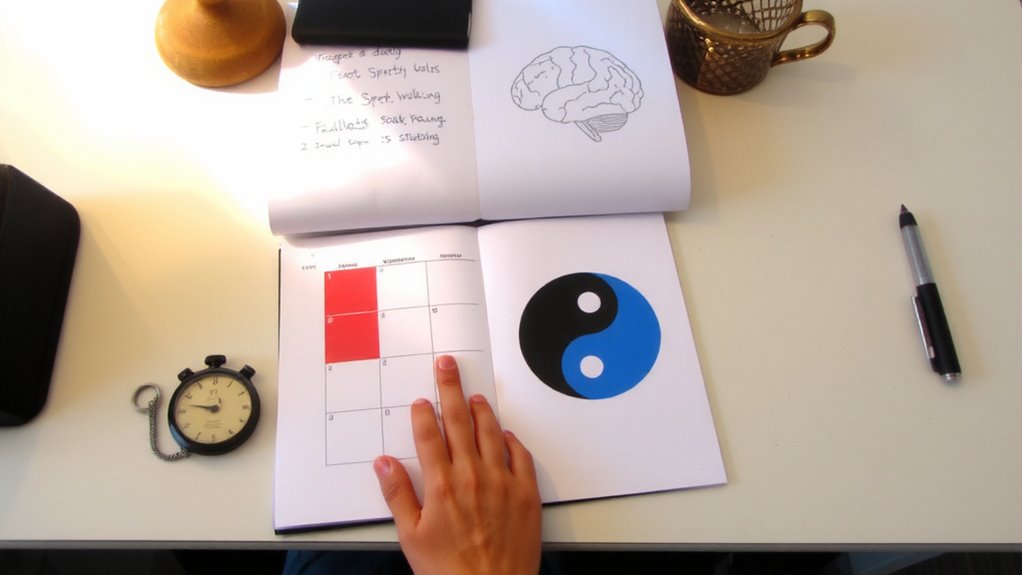
While sprint drills build explosive power and cardiovascular resilience, they also demand intense mental engagement that often goes overlooked. You’re not just pushing your muscles-you’re fighting mental strain with every stride. Each repetition requires sharp focus, precise timing, and split-second decisions, all of which drain your cognitive reserves. Over time, this leads to focus depletion, slowing reaction times and weakening technique. The high-speed nature of sprint workouts forces constant attention to form and acceleration, increasing neurological load. Unlike steady-state cardio, sprints tax both body and mind simultaneously, making concentration a limited resource. Ignoring this mental toll can compromise performance and heighten injury risk, especially when fatigue sets in. Recovery isn’t just physical-it’s cognitive. Monitoring mental fatigue is as essential as tracking heart rate, especially when optimizing training with smart gear or wearable feedback systems.
Recharge Faster With These Sprint-Specific Recovery Moves
How quickly are you recovering after sprint sessions-really? If you’re not prioritizing active recovery and neural refueling, you’re likely compromising both performance and mental resilience. Sprinting demands intense focus and neuromuscular coordination, leaving your central nervous system fatigued. Strategic recovery moves help reset your system between bursts.
| Recovery Move | Purpose |
|---|---|
| Foam rolling quads/hamstrings | Reduces muscle tension, enhances circulation |
| Diaphragmatic breathing (5 min) | Stimulates parasympathetic response, aids neural refueling |
| Dynamic mobility flows (e.g., cat-cow to leg swings) | Promotes active recovery, restores range of motion |
These aren’t just cooldowns-they’re performance safeguards. Tools like percussion massagers and respiratory trainers can amplify benefits, but consistency beats gear. A disciplined approach to recovery elevates sprint outcomes. You’re not just restoring energy-you’re reprogramming your readiness. Consider using knee straps for added joint support, especially if incorporating heavy squats post-sprint, as the right knee straps for squats can enhance stability and reduce strain during recovery phases.
Build a Weekly Plan That Protects Your Brain

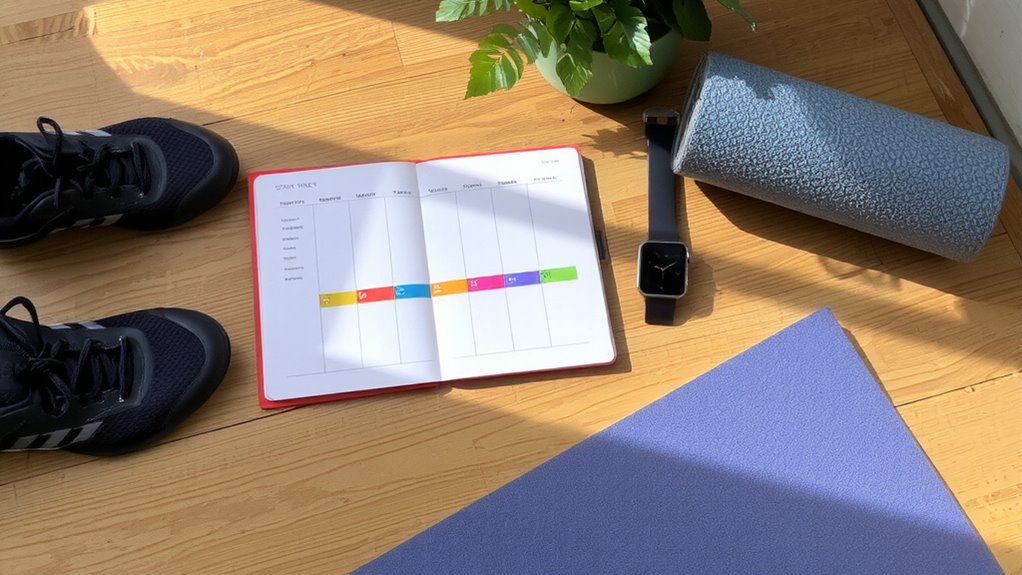
You’ve tuned your recovery with targeted movement and nervous system support, but consistency only pays off when integrated into a plan that accounts for cognitive load and neural fatigue. Design your week to alternate sprint drills with dedicated active recovery sessions-think low-level cardio, mobility work, or mindfulness-based movement. These aren’t filler activities; they enhance circulation, reduce residual tension, and support mental clarity. Schedule sprints earlier in the week when cognitive reserves are higher, then follow with regenerative practices that downregulate stress. Include at least two active recovery blocks to maintain rhythm without overtaxing focus. Quality foam rollers or percussion devices can aid these sessions, but their effectiveness depends on consistent use. A well-designed best foam rollers choice can significantly improve recovery outcomes by targeting muscle tightness more effectively. Avoid stacking intense sessions back-to-back without buffer periods. A well-structured plan doesn’t just prevent burnout-it sharpens decision-making, reaction time, and overall performance. Protecting your brain isn’t secondary; it’s foundational.
Track Mental Fatigue to Optimize Training Timing
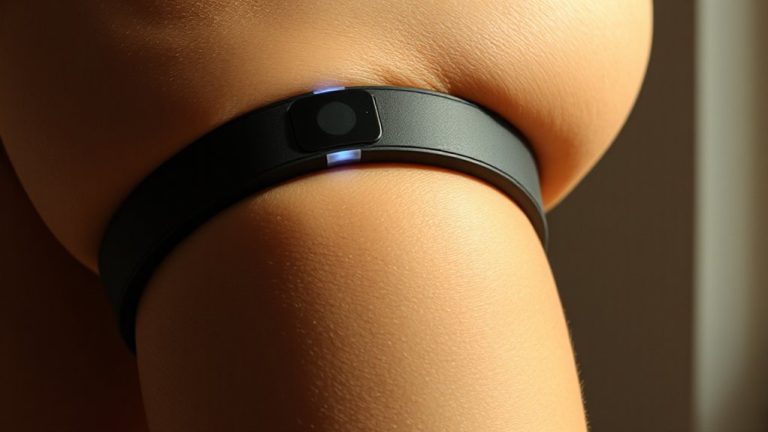
Why does the same sprint session feel harder on Thursday than it did on Monday, even with identical warm-ups and effort? Because your brain accumulates mental fatigue you’re not tracking. Without monitoring cognitive load, you’re training blind. Tools that measure neural feedback-like EEG headbands-detect subtle shifts in brain activity linked to exhaustion. When paired with attention metrics from apps evaluating reaction time and focus, you gain objective data on mental state. These indicators often decline before physical fatigue sets in, signaling suboptimal training conditions. You’ll push harder when you should be recovering. Top fitness gear now integrates this data, syncing with wearables to suggest ideal workout timing. It’s not just about reps or heart rate; cognitive readiness shapes performance. Using these tools consistently lets you align sprint drills with peak mental resilience, making your schedule smarter, not just busier.
Why Cognitive Recovery Boosts Sprint Performance
While physical rest gets most of the credit in recovery, it’s the downtime your brain takes that quietly determines how explosively you’ll perform in sprint drills. When you allow for proper cognitive recovery, your brain rebuilds connections through neural plasticity, sharpening motor control and reaction time. Without this, even peak physical conditioning can’t compensate for sluggish decision-making or delayed neuromuscular signaling. Attention restoration plays a key role-stepping away from high-demand tasks lets your mind reset, improving focus during maximal efforts. You’ll notice cleaner form, faster turnover, and better coordination when your nervous system isn’t fatigued. Fitness gear like heart rate variability monitors can help track recovery readiness, but they’re most useful when paired with awareness of mental state. Ultimately, cognitive recovery isn’t passive-it’s active investment in performance, ensuring sprint sessions translate into real-world speed and power gains.
Pair Hard Efforts With Brain-Resetting Cooldowns
How do you guarantee your mind keeps pace with your body after pushing through a grueling sprint session? You pair hard efforts with brain-resetting cooldowns. After intense sprint drills, active recovery like slow walking or gentle cycling helps clear metabolic byproducts while stabilizing your nervous system. But don’t stop there-add mindful breathing for 3 to 5 minutes to lower cortisol and signal safety to your brain. This combo isn’t just soothing; it enhances neuroplasticity and accelerates cognitive recovery. Think of it as hitting a reset button: your body repairs faster, and your focus sharpens for the next effort. Fitness gear like heart rate monitors can track recovery efficiency, showing when your body shifts from stress to restoration mode. Including these cooldowns in your weekly schedule isn’t optional-it’s essential for sustained performance and mental clarity in high-intensity routines.
On a final note
You’ll perform better when you balance sprint drills with regenerative movement. Cognitive exhaustion slows reaction time and reduces coordination, so recovery isn’t optional-it’s strategic. Integrating mobility work, breath-focused cooldowns, and mindful rest sharpens mental clarity. Tracking fatigue helps time hard efforts when your brain can handle strain. Quality recovery gear, like foam rollers or percussion tools, supports nervous system reset. Ultimately, smart recovery boosts power output, sprint efficiency, and long-term progress.