Integrating Light Resistance Band Workouts to Stimulate Blood Flow Without Overloading the Central Nervous System
You can boost circulation with light resistance bands by engaging in rhythmic, low-impact movements that promote muscle contraction and vessel compression without overtaxing your nervous system. Exercises like banded squats and standing rows enhance blood flow while remaining joint-friendly. Using latex or fabric bands with medium resistance guarantees consistent tension and comfort. For best results, aim for 3–4 short sessions weekly. You’ll see how timing and technique further amplify these benefits.
Notable Insights
- Light resistance bands enhance blood flow through rhythmic muscle contractions that compress and decompress blood vessels without straining the nervous system.
- Choose light to medium resistance bands made of latex or fabric to ensure effective circulation support while minimizing joint and tissue stress.
- Perform banded exercises like squats, standing rows, and glute bridges to activate major muscle groups and boost lower-body circulation.
- Schedule 10-minute sessions 3–4 times weekly, ideally when warm, to promote vascular engagement without recovery burden.
- Use dynamic movements such as leg swings and shoulder circles to improve joint mobility and stimulate microcirculation safely and effectively.
Why Light Resistance Bands Improve Circulation
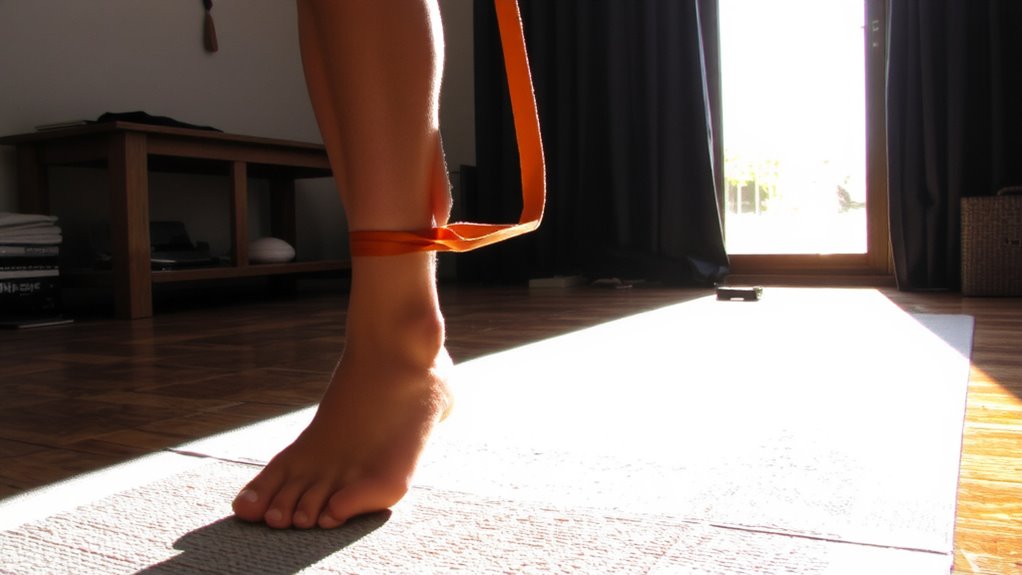
While you might not expect much from such a simple piece of fitness gear, light resistance bands can meaningfully support circulation when used consistently. The secret lies in how they promote vascular engagement through rhythmic muscle activation. As you stretch and contract the band, your muscles repeatedly compress and release surrounding blood vessels, encouraging consistent blood flow. Unlike heavier resistance tools, these bands provide enough tension to stimulate muscle effort without strain, making them ideal for daily use. You’ll notice improved warmth and sensation in working limbs-a sign of active circulation. Regular use enhances microcirculation, particularly in areas prone to stagnation. Though they’re modest in appearance, their physiological impact is measurable. By combining mobility and light resistance, you foster sustainable muscle activation that supports cardiovascular responsiveness, making them not just rehab tools, but smart additions to circulatory health routines.
How Band Workouts Aid Recovery Without Exhaustion
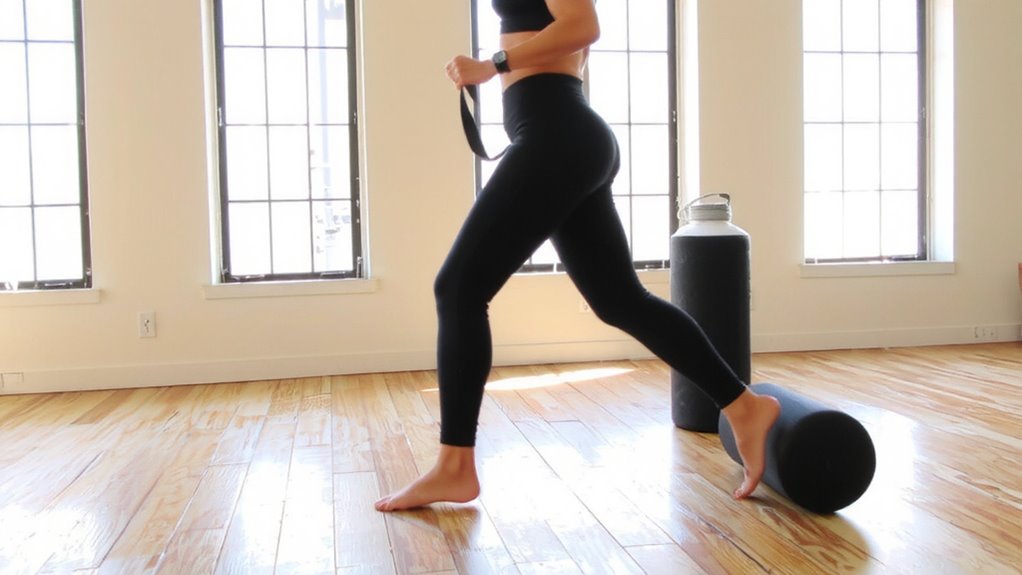
How do you maintain momentum in your fitness routine without burning out? Light resistance band workouts offer a smart solution through active recovery. These bands provide gentle resistance, encouraging consistent muscle engagement without taxing your central nervous system. Unlike heavy lifting, which can lead to fatigue, band exercises promote circulation while minimizing strain. The elastic tension supports joint-friendly movement, making them ideal for rest days. You’re not just moving-you’re enhancing recovery through controlled, low-impact effort. Resistance bands are lightweight, portable, and require minimal setup, increasing adherence. Their versatility allows for targeted engagement across major muscle groups, ensuring balanced stimulation. When used correctly, they balance mechanical load and metabolic demand, fitting seamlessly into recovery protocols. This makes them not just a tool, but a strategic gear choice for sustainable progress-keeping you active, recovered, and ready for your next intense session.
Best Resistance Band Exercises to Boost Blood Flow
Since circulation plays a key role in recovery, incorporating resistance band exercises that stimulate blood flow can speed up muscle repair and reduce soreness. These movements enhance joint mobility while promoting gentle muscle activation without taxing your central nervous system. Focus on dynamic, controlled exercises that target major muscle groups and encourage fluid movement through the joints.
| Exercise | Target Area | Benefit |
|---|---|---|
| Leg Swings | Hips, Legs | Improves joint mobility |
| Standing Rows | Back, Shoulders | Enhances muscle activation |
| Glute Bridges | Glutes, Hamstrings | Boosts lower-body flow |
| Shoulder Circles | Shoulders | Increases range of motion |
| Banded Squats | Quads, Glutes | Promotes full-leg circulation |
Each movement should be performed with light tension to maintain focus on circulation. Consistent practice supports recovery, enhances function, and prepares the body for future effort.
How to Choose the Right Band for Circulation Work
If you’re aiming to boost circulation through resistance band workouts, picking the right band matters more than you might think-light to medium resistance levels are ideal because they provide enough tension to activate muscles without restricting movement or compressing blood vessels. You’ll want a band made from high-quality band material like natural latex or fabric blend, since these offer consistent elasticity and resist snapping. Latex suits most, but if you have sensitivities, fabric bands are a durable, skin-friendly option. Grip style also plays a key role; loop bands work well for lower-body activation, while tube bands with padded handles give better control during upper-body flows. A comfortable grip style reduces hand fatigue, letting you focus on movement quality. Choose a design that supports smooth, sustained motion-critical for circulation-without pinching or rolling. Always inspect for wear, as degraded bands lose effectiveness and safety.
When to Do Band Workouts for Best Results
Ever wonder why some days your resistance band workouts feel more effective than others? It often comes down to ideal timing. Performing band exercises when your body is warm-like after a brisk walk or light dynamic warm-up-enhances blood flow and muscle responsiveness. Morning sessions can jumpstart circulation, while post-workout or midday movement breaks help counteract sedentary effects without taxing your central nervous system. For most people, a workout frequency of 3–4 times per week delivers consistent results without risk of overuse. Too frequent, and you may hinder recovery; too sparse, and benefits diminish. Aligning your sessions with natural energy dips-say, mid-afternoon-can improve focus and physical output. Consistent timing trains your body to adapt efficiently. Ultimately, pairing smart workout frequency with ideal timing maximizes circulatory benefits and supports sustained recovery, making light resistance bands a practical tool in long-term fitness maintenance.
Build a 10-Minute Routine to Enhance Circulation
You can boost circulation efficiently with a short, targeted routine using light resistance bands-especially when timed right after a warm-up or during a midday slump. Start with 2 minutes of dynamic stretching: leg swings, arm circles, and torso twists to prime movement patterns. Follow with joint mobilization-banded shoulder dislocates and ankle circles-to enhance synovial fluid flow and joint readiness. Perform 3 rounds of: banded squats (15 reps), standing rows (12 reps), and lateral walks (10 steps each way). These engage major muscle groups without taxing the central nervous system. The light tension stimulates capillary dilation, promoting nutrient delivery and metabolic waste clearance. Ideal for recovery days or pre-workout activation, this 10-minute sequence balances muscular input with circulatory return. Unlike heavier loads, light bands offer functional resistance while minimizing fatigue. Use latex-free, medium-tension bands for durability and skin comfort. Consistent use improves vascular responsiveness over time.
5 Mistakes That Reduce Band Workout Benefits
While resistance bands are praised for their portability and versatility, skipping proper form can seriously undercut their effectiveness, especially during recovery-focused sessions. Incorrect form not only limits muscle engagement but also increases injury risk, counteracting the gentle stimulus these workouts aim to provide. You might think you’re activating target muscles, but without attention to posture and movement precision, you’re likely compensating with larger muscle groups. Another common error is allowing inconsistent tension-letting the band go slack at any point disrupts blood flow stimulation and reduces neuromuscular activation. This inconsistency weakens the workout’s recovery benefits, making it less efficient. To maximize results, maintain controlled motions and keep the band taut throughout each repetition. Quality trumps quantity here: precise execution guarantees you support circulation and joint health without overloading the central nervous system. Stick to technique, and you’ll get more from each session.
On a final note
You’re getting more than just movement when you use light resistance bands-they’re boosting circulation without taxing your nervous system. These bands offer low-impact, effective stimulus, ideal for recovery days. When chosen and used correctly, they enhance blood flow, maintain mobility, and support muscle repair. Their portability and versatility make them practical tools. Avoid common errors like overstretching or poor form, and you’ll maximize both performance and recovery benefits consistently.