Resilience Training for Athletes With Disabilities: Specialized Approaches
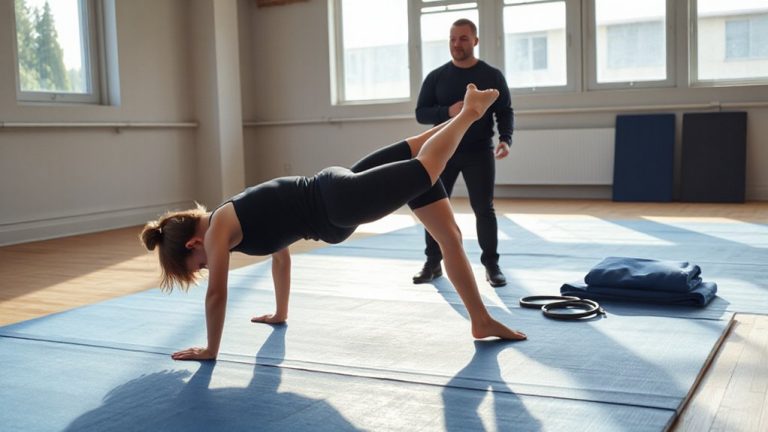
You face unique physical and psychological demands, so resilience training must be specifically tailored, not just adapted. Accessible environments, trauma-sensitive coaching, and adaptive gear like programmable compression boots or sensory tools are essential. Emotional regulation and social support build mental strength, while personalized goals and dual mindset-action metrics track real progress-because true resilience honors your body, not just pushes through it, and the right approach changes everything.
Notable Insights
- Resilience training for disabled athletes must address unique physical and psychological challenges, including trauma and persistent setbacks.
- Emotional regulation is strengthened through predictable routines, nonjudgmental feedback, and trauma-sensitive coaching practices.
- Environmental accessibility, including adaptive equipment and structural accommodations, is essential for consistent training and mental resilience.
- Personalized goal setting focusing on functional capability and ability affirmations enhances motivation and sustainable progress.
- Dual evaluation of mindset and performance metrics enables data-driven refinements to resilience training strategies.
Why Disabled Athletes Need Unique Resilience Training
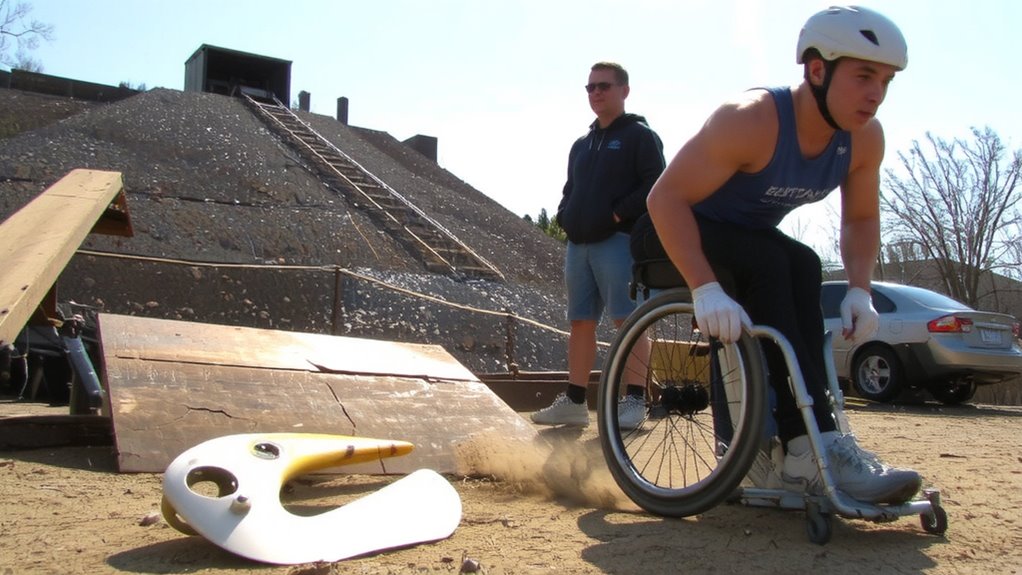
Your experience as a disabled athlete comes with distinct physical and psychological demands, making a one-size-fits-all approach to resilience training ineffective. You face challenges that require more than physical adaptation-emotional regulation is essential when setbacks feel personal and persistent. Standard programs often overlook how isolation affects motivation, which is why social inclusion must be built into resilience strategies. When you feel seen and supported within your team or training community, coping becomes more sustainable. Unlike able-bodied peers, your resilience isn’t just about bouncing back-it’s about maneuvering through environments that don’t always accommodate your needs. Training must consequently emphasize self-awareness, adaptive thinking, and peer connection. Emotional regulation techniques, like mindful reflection or structured feedback sessions, help you process frustration constructively. Meanwhile, consistent social inclusion reduces stigma and strengthens team cohesion, directly influencing psychological endurance. These elements, tailored to your reality, don’t just support performance-they affirm your place in sport.
Remove Training Environment Barriers
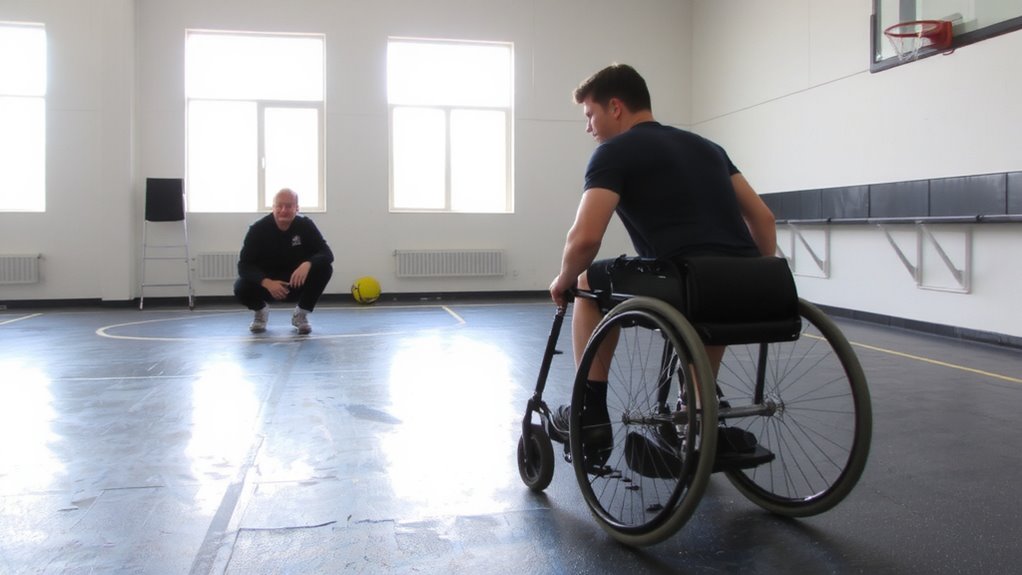
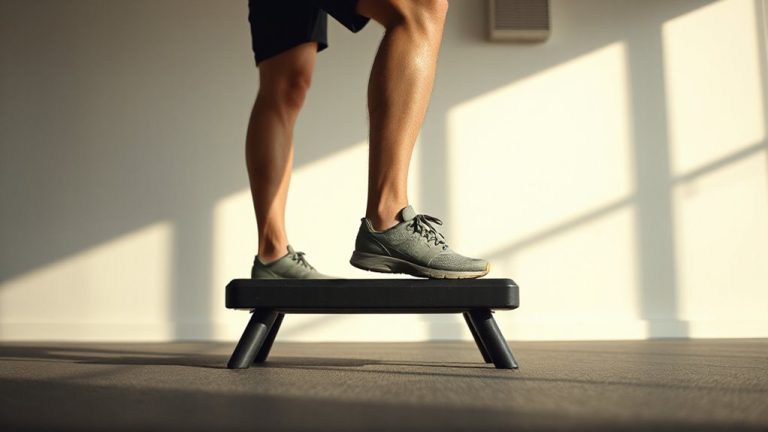
Just because resilience is built from within doesn’t mean the environment doesn’t shape its development-especially when physical access and adaptive equipment are inconsistent. You can’t expect athletes to push through mental hurdles if they’re first struggling to reach the training floor or use broken, outdated gear. Accessible facilities aren’t optional-they’re foundational. Ramps, wide doorways, and adjustable-height equipment guarantee everyone can participate safely. Inclusive equipment like adaptive resistance machines, seated plyo boxes, and tactile training aids let you tailor workouts to diverse physical needs. When tools are unreliable or environments aren’t designed with disability in mind, motivation erodes fast. Quality inclusive equipment withstands daily use, supports proper form, and reduces injury risk. Maintenance matters too-regular checks keep everything functional. Without these structural supports, even the strongest mindset won’t overcome systemic friction. Remove the barriers first. Then resilience has space to grow.
Train Mental Strength With Trauma-Sensitive Coaching
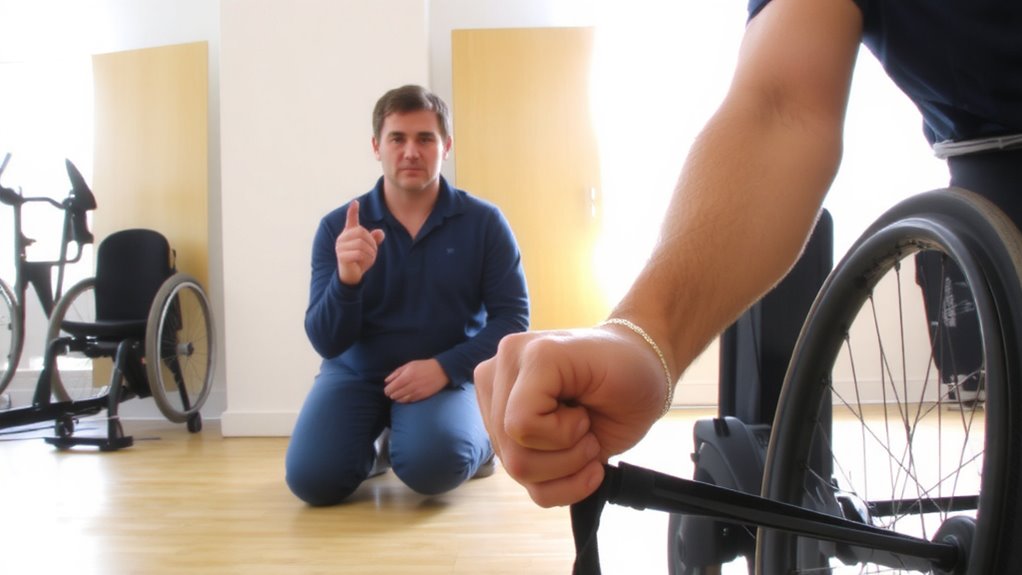
While physical access and equipment set the stage, mental resilience in athletes with disabilities often hinges on the quality of human support they receive, particularly from coaches trained in trauma-sensitive practices. You need coaching that recognizes trauma triggers-not just physical signs, but emotional shifts that disrupt focus and performance. These coaches don’t dismiss reactions; they anticipate them, adjusting communication and pacing to foster safety. Emotional regulation becomes a shared goal, taught through consistent cues, predictable routines, and nonjudgmental feedback. When you feel heard and respected, your ability to manage stress strengthens. Trauma-sensitive methods don’t lower standards-they create a stable foundation so growth can happen sustainably. Coaches using these approaches observe subtle cues, like hesitation or withdrawal, and respond with empathy, not pressure. This builds trust, which in turn enhances commitment and mental endurance. It’s not just about coping-it’s about creating an environment where resilience can genuinely thrive.
Use Adaptive Science to Work With Your Body
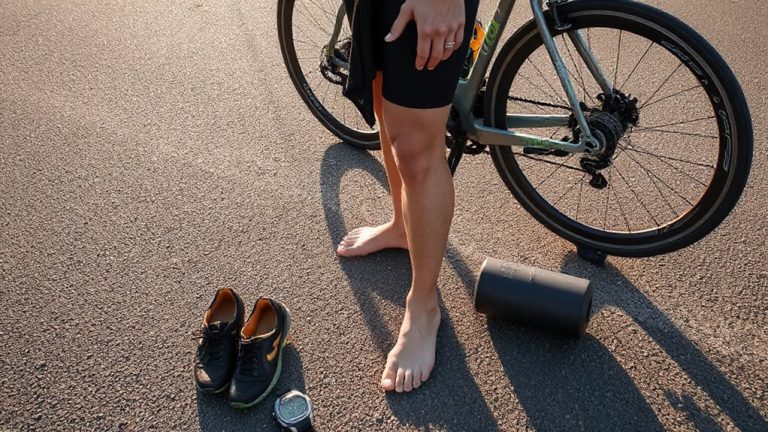
Adaptive science takes the principles of trauma-informed support and applies them directly to physical training, aligning equipment, recovery protocols, and movement strategies with your unique physiology. You benefit when technology accounts for your biomechanical alignment-custom orthotics, adjustable prosthetics, and supportive seating guarantee efficient, safe movement. Sensory integration is equally essential; gear like noise-dampening headphones or pressure-sensitive gloves helps regulate external input during intense sessions. Recovery isn’t one-size-fits-all, either: cooling vests, graduated compression wear, and hydrotherapy systems are tailored to your body’s signaling and fatigue patterns. These tools work best when paired with consistent monitoring-tracking heart rate variability or muscle response helps fine-tune interventions. While high-end adaptive gear delivers strong performance, durability and access remain concerns. Maintenance can be complex, but the long-term gains in efficiency, comfort, and injury prevention make it a sound investment for committed athletes. Top models of leg compression boots offer programmable pressure settings and portable designs ideal for adaptive recovery needs.
Set Goals That Honor Your Abilities
A goal isn’t just a target-it’s a reflection of how well you know your body, your limits, and your potential. When you set goals that honor your abilities, you’re not lowering standards-you’re aligning them with reality. Personalized milestones make progress measurable and meaningful, tailored to your physiology and adaptive needs. They account for recovery time, gear compatibility, and training intensity, ensuring each step forward is both safe and sustainable. Regular ability affirmations reinforce what your body can do, shifting focus from limitation to capability. This mindset supports long-term resilience, especially when using fitness recovery tools like compression devices or temperature therapy mats-your gear should enable, not complicate. Evaluating performance through these lenses fosters smarter training adjustments. When your goals respect your unique physical landscape, you build confidence grounded in actual achievement, not comparison. It’s not about ease-it’s about effectiveness.
Build Power Through Peer Support
Your training gains an undeniable edge when it’s backed by the right community-one that understands the daily demands of adaptive fitness and recovery. Peer mentorship isn’t just motivational; it’s functional. Athletes who’ve navigated similar challenges offer practical advice on everything from gear adjustments to pacing strategies. Their shared experiences help you refine routines and avoid common setbacks. You learn which resistance bands suit your grip strength, how to modify recovery protocols post-training, and when to push or pull back. These insights come not from textbooks, but real-world application. When peers model resilience, you’re more likely to adopt similar mindsets and methods. Communication during group sessions often highlights subtle techniques in using adaptive equipment, improving both safety and performance. This collective knowledge builds confidence and continuity in training. Ultimately, peer support doesn’t replace professional guidance-it enhances it. You’re not just training harder; you’re training smarter, with insight rooted in lived experience.
How to Measure Resilience in Adaptive Training?
How do you know if resilience is really building in your adaptive training? You can’t just guess-you need clear ways to track it. Psychological testing helps reveal shifts in mental toughness, emotional control, and stress tolerance over time. Tools like the Connor-Davidson Resilience Scale or Perceived Stress Scale give measurable data specific to athletes with disabilities. But numbers alone aren’t enough. You’ve also got to look at performance metrics: consistency in training output, recovery times, and how you adapt during setbacks. Are you pushing through fatigue more efficiently? Do you maintain focus after a failed attempt? Combining psychological testing with real-world performance metrics gives a fuller picture. This dual approach lets coaches tweak strategies based on both mindset and action, making resilience training not just feel effective-but actually be effective.
On a final note
You build resilience not by overcoming disability, but by training intelligently within it. Specialized programs that adapt to physical realities, prioritize mental health, and foster peer connection prove more effective than one-size-fits-all models. With trauma-sensitive coaching and goal-setting rooted in ability, you enhance both performance and recovery. Science-backed gear, properly maintained, supports consistent training. Resilience, then, isn’t just mental toughness-it’s smart, inclusive systems working together to sustain long-term athletic growth.