Understanding the Importance of Graded Activity in Preventing Tendinopathy Flares
You can prevent tendinopathy flare-ups by using graded activity to match your training load with your tendon’s ability to adapt. Sudden jumps in intensity cause microdamage, even if pain isn’t immediate. With structured progressions-like the 10% rule-and tendon-friendly exercises, you build resilience safely. Proper recovery, including sleep and nutrition, supports repair, while monitoring stiffness or lingering ache helps catch overload early-key signs you’re pushing too hard without sufficient adaptation. There’s more to optimizing this balance effectively.
Notable Insights
- Gradual load increases allow tendons to adapt without accumulating microdamage.
- Sudden spikes in activity overwhelm tendon capacity, raising flare-up risk.
- Balanced progression supports tissue repair and long-term resilience.
- Controlled exercise volume and intensity maintain symptoms at manageable levels.
- Monitoring response to load helps adjust activity before pain develops.
What Triggers Tendinopathy Flare-Ups?
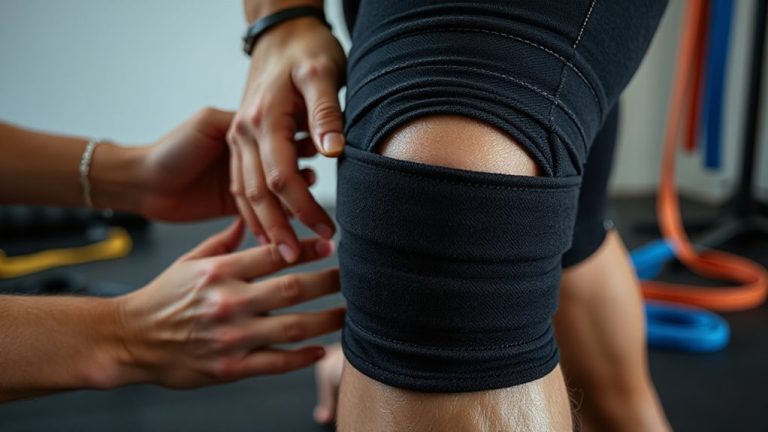
Why do your tendons sometimes flare up just when you’re making progress? Sudden intensity in training-like ramping up weights or reps too fast-overloads tendon tissue before it adapts. You might feel fine at first, but without adequate load management, microdamage accumulates. Combine that with poor recovery-skimping on sleep, neglecting nutrition, or skipping rest days-and your tendons can’t repair efficiently. This mismatch between demand and recovery sets the stage for flare-ups. It’s not just about how hard you train, but how well you recover. Even the best fitness gear won’t compensate for flawed recovery habits. Compression sleeves or supportive braces may offer temporary relief, but they’re not long-term fixes. True resilience comes from respecting physiological limits, not bypassing them. Listen to your body: consistent, gradual effort beats short bursts of intensity every time.
Use Graded Activity to Prevent Flare-Ups
While you might be keen to push through the discomfort and keep progressing, jumping straight into high-intensity routines after a setback only increases the risk of re-injury. Instead, graded activity helps you rebuild capacity safely, using structured load management to balance stress and recovery. You’re not avoiding movement-you’re optimizing it. By gradually increasing intensity and volume, you support tendon adaptation without overwhelming it. This approach also improves movement symmetry, ensuring both sides of the body share load evenly and reducing compensatory patterns that can lead to imbalances. You’ll notice better control, smoother shifts, and fewer warning signs when you listen to your body’s feedback. Fitness recovery isn’t about resting indefinitely-it’s about moving smarter, with deliberate progressions that prioritize long-term resilience over short-term gains. Graded activity keeps you in the game, minimizing flare-ups while building sustainable strength.
Create a Tendon-Safe Activity Plan
How do you build an activity plan that protects your tendons without sacrificing progress? You start with smart exercise selection-choose movements that strengthen without overloading vulnerable areas. Focus on controlled, tendon-friendly options like slow heel drops for Achilles or isometric holds for patellar tendons. Avoid high-impact or ballistic exercises early on, since they disrupt healing. Pair this with strategic load progression: gradually increase volume, frequency, or resistance only when symptoms stay low. Sudden jumps in intensity are a common trigger for flare-ups. Instead, use a 10% rule-small, consistent boosts keep tendons adapting safely. Track your response over time, not just daily performance. A well-structured plan balances challenge and recovery, using intentional exercise selection and disciplined load progression. This approach isn’t flashy, but it builds long-term resilience. Your tendons don’t recover like muscle-they need patience, precision, and consistency. Stick with it, and you’ll stay active with fewer setbacks.
Watch for Early Flare-Up Warning Signs
If you’re pushing through an activity routine without tuning into subtle feedback from your body, you might miss the early signs of a tendon flare-up before it escalates. Muscle tightness and joint stiffness are key red flags-they often appear before pain becomes severe. You may notice a slight ache after exercise that lingers longer than usual or feel resistance when moving through familiar ranges. These aren’t just signs of fatigue; they suggest your tendons are under excessive strain. Ignoring them risks reversing your progress, even with a well-structured plan. Monitoring how your body responds daily allows you to adjust in time. Fitness recovery isn’t passive-it requires active awareness. Tools like foam rollers or compression gear might support circulation, but they’re no substitute for listening to your body. Recognizing subtle changes early keeps your graded activity on track without tipping into overload. Using a high-density foam roller can enhance myofascial release and improve tissue resilience when incorporated appropriately.
Stay on Track Without Overloading
Aim for consistency, not intensity, when progressing through your routine-this is the key to staying on track without overloading. You don’t need high-effort bursts to see progress; in fact, they often trigger flare-ups. Instead, use pacing strategies that spread activity evenly throughout the day, reducing strain on tendons. Think of it like training smart, not hard. Activity monitoring helps you stay within safe limits by tracking duration, frequency, and perceived effort. Wearable tech or simple journaling can highlight patterns before pain arises. Devices like fitness trackers offer real-time feedback, but their real value lies in guiding recovery, not just performance. Used wisely, they support gradual progression. Remember, the goal isn’t to push through discomfort, but to adjust before it starts. Pacing strategies and activity monitoring together create a sustainable path-keeping you active without tipping into overload. It’s not about gear alone, but how you use it.
On a final note
You’ve learned that sudden activity spikes often trigger tendinopathy flares, but consistent, graded activity helps build tendon resilience. By planning your workload and recognizing early warning signs like stiffness or mild pain, you stay ahead of setbacks. Recovery isn’t passive-it’s strategic. Fitness gear, like supportive footwear or compression sleeves, may assist, but nothing replaces smart loading. Stick to your plan, adjust sensibly, and keep tendons adapting safely over time.