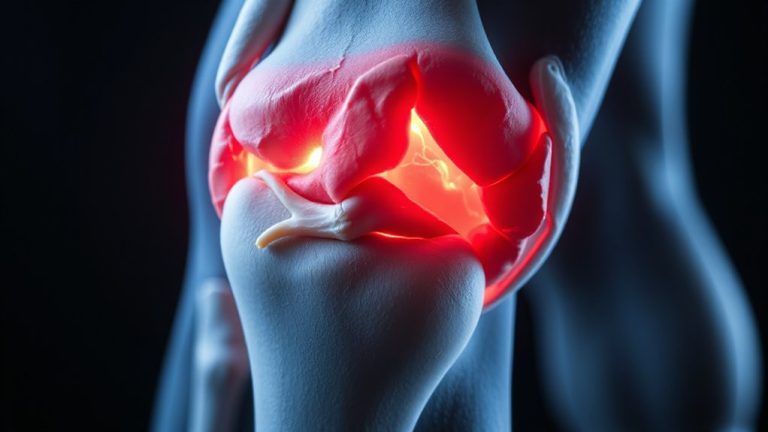
Understanding the Impact of Rest on Muscle Strain Healing Processes for Athletes
Rest isn’t passive-it’s when your muscles actively repair and grow stronger after a strain. Skipping rest prolongs inflammation and delays healing, even if you use recovery gear like compression sleeves or foam rollers. Your body needs this downtime to regenerate fibers and rebalance biologically. While light activity helps circulation, true recovery starts with rest. You’ll regain strength faster and more safely by respecting this phase. The right approach now improves long-term resilience-there’s more to uncover about balancing recovery tools effectively.
Notable Insights
- Rest enables tissue regeneration by creating optimal conditions for repair of damaged muscle fibers.
- Muscle adaptation and strengthening occur during rest, not during physical exertion.
- Inadequate rest prolongs inflammation and delays healing, increasing re-injury risk.
- Biological recalibration is disrupted by premature activity, hindering full recovery.
- Recovery tools support rest but cannot replace the healing benefits of adequate downtime.
Why Rest Speeds Muscle Strain Recovery
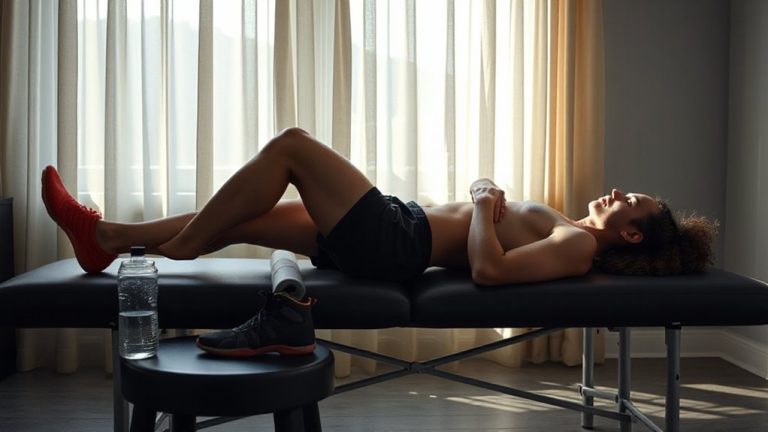
While you might be keen to get back in the game after a muscle strain, taking time to rest actually sets the stage for faster and more complete recovery. Rest provides the ideal environment for tissue regeneration, allowing damaged fibers to repair efficiently. Without adequate downtime, inflammation worsens and healing slows, increasing re-injury risk. During rest, your body initiates muscle adaptation, strengthening fibers to better handle future stress. This biological recalibration is essential-pushing too soon disrupts the process. Recovery gear like compression wraps or foam rollers can support rest but shouldn’t replace it. Passive recovery periods, paired with proper sleep and nutrition, optimize physiological repair. Though staying idle feels counterproductive, rest is active healing in disguise. You’re not losing progress-you’re building resilience. Prioritizing rest aligns with smarter training, ensuring long-term performance gains and sustainable fitness.
How Light Activity Reduces Recovery Time
Because complete rest lays the foundation for healing, introducing light activity at the right stage can substantially accelerate your recovery from a muscle strain. You might think more rest is always better, but controlled movement plays a vital role. Engaging in active recovery-like walking or gentle cycling-stimulates blood flow to injured muscles, delivering oxygen and nutrients essential for tissue repair. Improved circulation also helps clear metabolic waste, reducing stiffness and soreness. Unlike intense training, low-impact activity doesn’t overstress healing fibers, making it safer and more effective. Fitness gear like compression wraps or monitoring devices can help you track effort and avoid overexertion during this phase. Studies show athletes who follow structured active recovery programs return to peak performance faster than those who remain sedentary. So while rest starts the process, light activity fine-tunes it-shortening overall recovery time when applied correctly and consistently. Using targeted tools like best recovery bands can further enhance blood flow and muscle relaxation during active recovery.
Do You Need More Sleep to Heal Strains?
Recovery isn’t just about what you do during the day-it’s shaped profoundly by what happens while you sleep. You need more than just rest; you need deep, uninterrupted sleep to trigger muscle repair. During slow-wave sleep, your body releases growth hormone, essential for tissue regeneration after a strain. That’s why sleep quality matters just as much as duration-frequent interruptions can disrupt healing even if you’re in bed eight hours. Pairing solid sleep with smart recovery nutrition-like protein and anti-inflammatory foods-amplifies repair overnight. Think of sleep as foundational recovery gear, as critical as compression wear or foam rollers. While fitness gear supports mechanics, sleep drives biology. Athletes who prioritize consistent, high-quality sleep tend to heal faster and return stronger. So yes, you likely need more sleep-not just to feel rested, but to give strained muscles the most favorable environment to rebuild.
Warning Signs You’re Not Healing Properly
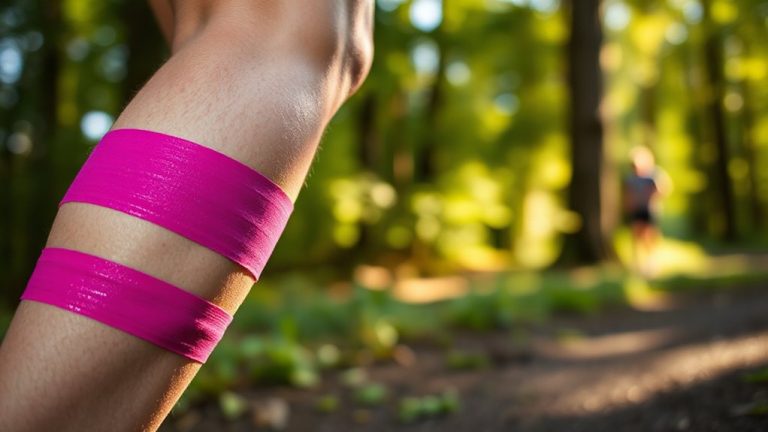
You’re giving your body time, sleep, and nutrition, but if pain or stiffness lingers beyond the expected timeline-say, more than two weeks for a mild strain-something’s off. Swelling persistence is a red flag; inflammation should taper within days, not last weeks. If you’re still seeing visible puffiness or tightness around the injured area, healing may be compromised. Worse, pain escalation-sharp, worsening discomfort instead of gradual improvement-suggests further damage or inadequate recovery. Don’t confuse normal soreness with a backward step. Athletes often push through discomfort, but escalating symptoms mean your body isn’t adapting. These signs point to overuse, improper initial treatment, or underlying biomechanical issues. Ignoring them risks chronic strain or reinjury. Fitness recovery isn’t just about gear like compression sleeves or foam rollers-it’s about monitoring real physiological feedback. When swelling persistence and pain escalation occur, professional assessment is essential. Incorporating targeted support such as compression sleeve use can aid in reducing swelling and improving circulation during recovery.
How to Train Again Without Re-Injuring Muscles
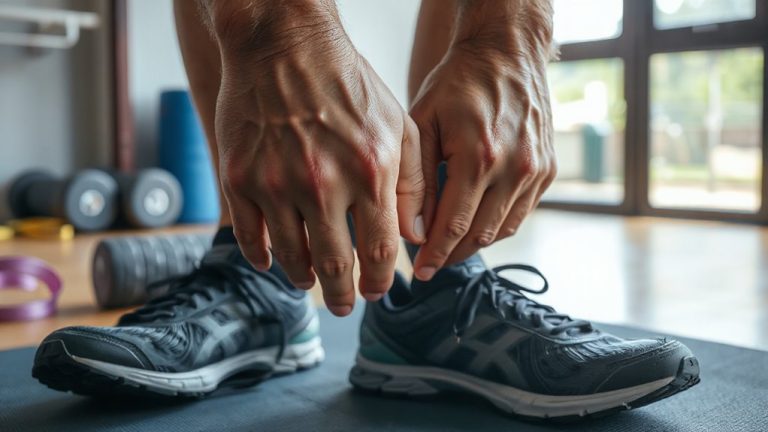
How do you know when it’s truly safe to resume training after a muscle strain? You’re ready when pain has fully subsided, range of motion returns, and strength tests match the uninjured side. Rushing back risks re-injury, so embrace gradual progression. Start with low-intensity exercises, increasing load and volume slowly over weeks. This builds tissue resilience without overloading healing fibers. Never skip proper warm ups-they boost blood flow, enhance elasticity, and mentally prepare you for movement. Dynamic stretches and light cardio should precede every session. Monitor your body’s response: soreness is normal, but sharp pain isn’t. Support recovery with quality fitness gear like compression sleeves, which can stabilize muscles and improve proprioception. While not miracle solutions, well-designed recovery tools complement smart training. A popular option for enhancing circulation during rest is using compression boots, which can help speed up recovery between training sessions. Ultimately, success lies in patience and consistency. Your comeback strategy isn’t just about performance-it’s about long-term muscular health.
On a final note
You heal faster when you rest, but light activity keeps blood flowing without stressing strained muscles. Sleep isn’t just helpful-it’s essential for tissue repair and inflammation control. Ignoring warning signs like persistent pain risks re-injury. Returning to training demands patience and gradual progression. Recovery gear-like compression sleeves or foam rollers-supports the process, but only works when used wisely alongside smart recovery habits.