The Role of Anti-Inflammatory Diets in Managing Acute and Chronic Tendinitis Episodes
You’re more likely to recover from tendinitis faster when you eat foods that lower inflammation, like salmon, turmeric, and spinach, while avoiding triggers like sugar and processed meats. These dietary choices directly impact tendon healing by reducing oxidative stress and supporting collagen repair. An anti-inflammatory diet doesn’t replace rest or proper therapy, but it enhances recovery from both sudden and long-term flare-ups-especially when combined with smart movement and recovery habits. There’s more to uncover about optimizing your nutrition for lasting relief.
Notable Insights
- Anti-inflammatory diets rich in omega-3s and antioxidants help reduce tendon inflammation and support healing.
- Foods like salmon, turmeric, and blueberries lower inflammatory markers linked to tendinitis pain and swelling.
- Eliminating pro-inflammatory foods such as processed sugars and excessive red meat can prevent symptom flare-ups.
- Strategic food swaps, like leafy greens for processed snacks, improve tissue health and reduce oxidative stress.
- Proper nutrient timing and gut health optimization enhance collagen repair and accelerate recovery from tendinitis.
What Causes Tendon Inflammation?
While tendons are built to handle stress, repetitive strain or sudden overload often pushes them beyond their limits, triggering inflammation that can sideline even the most consistent training routines. You’re likely at higher risk if you’ve got a genetic predisposition-some people simply inherit weaker connective tissues, making tendon resilience differ markedly. Repetitive strain, like constant typing or overtraining without recovery, compounds microtears that outpace healing. This isn’t just about overuse; it’s about how your body responds. Fitness recovery demands attention to form, load management, and rest cycles. Even top-tier gear-compression sleeves, ergonomic tools-can’t fully offset biological limits. These aids help distribute stress but won’t override poor programming. You need strategy: periodization, mobility work, and listening to early pain signals. Ignoring them risks chronic tendinitis. Smart training respects both biomechanics and biology, blending prevention with intelligent adaptation. Proper knee support during heavy lifting, such as using knee straps for squats, can reduce strain on the patellar tendon and aid in load distribution.
Top Anti-Inflammatory Foods for Tendinitis Relief
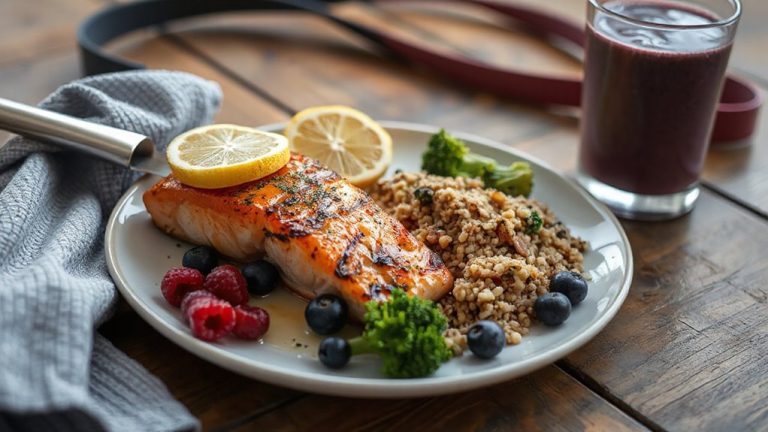
You can manage tendinitis more effectively when you combine smart training with targeted nutrition, because what you eat plays a direct role in how your body handles inflammation. Incorporating anti-inflammatory foods supports recovery and reduces flare-ups. Turmeric benefits include curbing inflammatory pathways, especially when paired with black pepper for absorption. Berries aren’t just tasty-berry varieties like blueberries, strawberries, and raspberries deliver anthocyanins that combat oxidative stress. Fatty fish rich in omega-3s and leafy greens also make the list, but these top four stand out for accessibility and impact.
| Food | Key Benefit |
|---|---|
| Turmeric | Reduces inflammatory markers |
| Blueberries | High in antioxidant anthocyanins |
| Salmon | Omega-3s lower joint inflammation |
| Spinach | Loaded with vitamin E and protective flavonoids |
Foods That Make Tendinitis Worse: Avoid These Triggers
Since your body’s inflammatory response can either support healing or hinder it, paying attention to what you’re *not* eating matters just as much as the foods you add in-especially when managing tendinitis. You might unknowingly worsen symptoms by consuming pro-inflammatory triggers like processed sugars, refined carbs, and excessive red meat. For some, gluten sensitivity can amplify systemic inflammation, leading to prolonged tendon discomfort. Even if you don’t have a diagnosis, eliminating gluten temporarily may reveal improvements in recovery time. Similarly, dairy intolerance can promote joint stiffness and swelling due to immune activation. Casein, a protein in dairy, may irritate tissues in sensitive individuals. These reactions aren’t universal, but trial elimination helps identify personal triggers. Chronic inflammation undermines tissue repair, so avoiding these dietary irritants supports tendon resilience. While fitness recovery relies partly on gear and rest, internal factors like diet play an equally measurable role in long-term tendon health.
Easy Swaps to Reduce Tendon Inflammation
A smarter approach to fitness recovery starts with simple changes in your daily diet, and swapping out inflammatory foods for anti-inflammatory alternatives can make a noticeable difference in tendon healing. Replace processed snacks with whole foods like berries, nuts, and leafy greens-they reduce oxidative stress and support tissue repair. Trade sugary drinks for water; even mild dehydration hampers the hydration impact on collagen, making tendons stiffer and more prone to irritation. Swap table salt for spices like turmeric, where turmeric benefits include blocking inflammatory enzymes linked to tendon pain. Instead of red meat, choose fatty fish rich in omega-3s, which lower joint inflammation and speed recovery. These swaps aren’t restrictive-they’re strategic upgrades. You don’t need special fitness gear or supplements; real changes start on your plate. Consistency matters more than perfection, and small food choices add up to meaningful recovery advantages over time.
How Eating Right Speeds Tendon Healing
While inflammation is a natural part of the healing process, letting it run unchecked can slow tendon recovery and increase discomfort. You need targeted nutrition to keep inflammation in check and support tissue repair. Eating right means prioritizing antioxidants, omega-3s, and high-quality protein-nutrients that directly fuel collagen synthesis and reduce oxidative stress. Nutrient timing matters: consuming protein and carbs within an hour post-activity enhances tendon repair by boosting amino acid delivery. Equally important is gut health, as a balanced microbiome improves nutrient absorption and modulates systemic inflammation. A disrupted gut can undermine even the best diet, weakening recovery gains. You’re not just eating to satisfy hunger-you’re strategically supplying your body with tools for healing. When combined with consistent movement and recovery practices, proper eating isn’t a passive step; it actively accelerates how quickly and fully your tendons heal.
Diet and Lifestyle: Long-Term Tendinitis Relief
Though short-term dietary fixes might ease tendinitis symptoms temporarily, lasting relief comes from consistent lifestyle choices that support metabolic and musculoskeletal health. You need more than just anti-inflammatory foods-you require solid stress management and high sleep quality to truly recover. Chronic stress spikes cortisol, which prolongs inflammation and slows tissue repair, while poor sleep disrupts hormone balance and weakens tendon resilience. Combining a diet rich in omega-3s, antioxidants, and lean proteins with 7–9 hours of restful sleep nightly improves healing at the cellular level. Mindfulness practices like yoga or deep breathing aid stress management, reducing physiological strain on tendons. Regular, modulated exercise using proper fitness recovery gear-such as compression sleeves or foam rollers-also enhances circulation and tissue flexibility. For even greater recovery support, consider incorporating best compression boots into your routine to optimize blood flow and reduce muscle fatigue. These habits aren’t quick fixes, but together, they create a sustainable routine. Long-term tendinitis relief isn’t just possible-it’s within your control when diet and lifestyle work in tandem.
On a final note
You’ll find that combining an anti-inflammatory diet with proper recovery gear supports both acute and chronic tendinitis management. Foods rich in omega-3s and antioxidants reduce swelling, while avoiding processed sugars helps prevent flare-ups. Compression sleeves and quality footwear complement dietary efforts by stabilizing tendons and reducing strain. Together, nutrition and smart fitness tools enhance healing, improve joint function, and lower recurrence risk over time.