Why Active Recovery Days Should Include Joint Mobility and Not Just Stretching
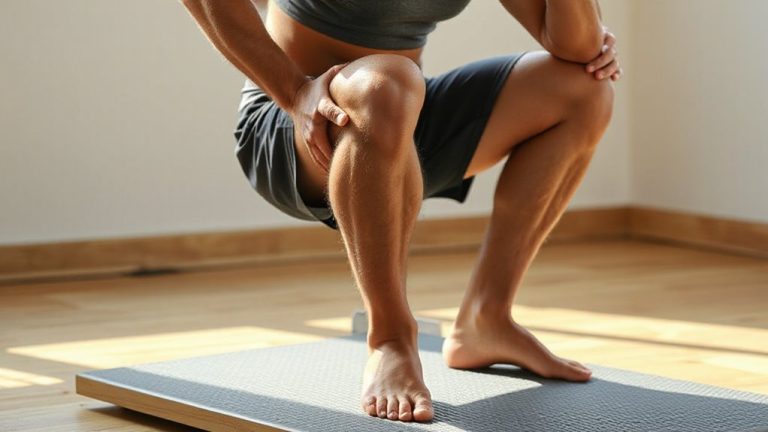
You should prioritize joint mobility over stretching on active recovery days because dynamic movement boosts synovial fluid circulation by up to 50%, nourishing cartilage and enhancing joint lubrication. Passive stretches don’t deliver the same tissue resilience or long-term range benefits. Mobility drills actively engage muscles, tendons, and capsules through functional ranges, supporting durability. This kind of recovery isn’t about rest-it’s strategic, movement-based prep that keeps your body adaptable. You’ll discover smarter ways to build resilience next.
Notable Insights
- Joint mobility boosts synovial fluid circulation, nourishing cartilage more effectively than static stretching.
- Dynamic movements enhance tissue resilience and prepare joints for future physical demands.
- Active recovery stimulates blood flow and nutrient delivery to joints, reducing stiffness and improving function.
- Mobility drills engage muscles, tendons, and joint capsules through functional ranges of motion.
- Unlike passive stretching, joint mobility supports long-term joint health and injury resilience.
Why Mobility > Stretching on Recovery Days
Why settle for temporary relief when you can build lasting resilience? On recovery days, passive stretching only lengthens tight muscles briefly, doing little for joint health. Mobility work, however, actively improves joint lubrication by stimulating synovial fluid circulation-essential for smooth, pain-free movement. You’re not just warming up tissue; you’re conditioning it. Controlled, dynamic movements enhance tissue resilience, preparing your body for future loads. Unlike static stretches that may neglect deeper structures, mobility drills engage muscles, tendons, and capsules in functional ranges. This isn’t just flexibility-it’s durability. Fitness gear like resistance bands or foam rollers can amplify these benefits when used correctly, but the real tool is consistent, intelligent motion. Recovery isn’t about stillness; it’s strategic activation. When you prioritize mobility, you trade short-term comfort for long-term strength, reducing wear and supporting joint longevity.
How Joints Thrive on Movement, Not Static Stretches
Your joints aren’t built for stillness-they depend on motion to stay nourished and responsive. Static stretches do little to support joint nutrition or connective tissue resilience, as they don’t stimulate the synovial pumping action movement provides. Dynamic mobility, however, enhances both structural integrity and functional readiness. Unlike passive holds, active movement signals tissues to adapt, strengthen, and stay pliable.
| Movement Type | Benefit |
|---|---|
| Arm circles | Boosts shoulder lubrication |
| Ankle pumps | Improves circulation |
| Spinal waves | Enhances disc hydration |
| Hip openers | Increases joint nutrition |
This kind of motion supports lasting connective tissue resilience and preps the body for load. Static stretching isn’t harmful, but it’s insufficient alone. Prioritize movement-based recovery to maintain joint health and long-term mobility-your body’s designed for motion, not maintenance through stillness.
How Mobility Fuels Joint Fluid and Blood Flow
While your joints don’t have their own blood supply, they rely on movement to circulate synovial fluid and deliver essential nutrients-something mobility training excels at. When you perform controlled, dynamic motions, you’re not just loosening tissues; you’re actively pumping synovial fluid through the joint capsule, which lubricates surfaces and cushions impact. This motion-driven circulation is key for nutrient diffusion, allowing oxygen and essential compounds to reach cartilage cells that lack direct blood flow. Without regular movement, diffusion slows, potentially leading to stiffness and reduced joint resilience over time. Mobility work outperforms static stretching here because it maintains rhythm and flow, encouraging continuous fluid exchange. Unlike passive holds, dynamic mobility keeps the joint environment nourished and responsive. For recovery-focused fitness routines, that’s a critical upgrade-better fluid dynamics mean healthier joints in the long run and improved readiness for future training sessions.
5 Dynamic Moves for Recovery Day Mobility
When you’re rebuilding momentum after intense training, dynamic moves offer a smarter way to maintain joint health and muscle readiness than passive stretching alone. They promote circulation while enhancing joint articulation through controlled, purposeful motion. Unlike static holds, these movements prepare your body for future loads by reinforcing proper mechanics. You’ll benefit from movement variety-think hip circles, shoulder dislocates, or ankle rolls-which prevents repetitive strain and keeps neuromuscular pathways engaged. Equipment like mobility bands or foam rollers can amplify results, adding resistance or feedback to refine control. Quality over speed matters here; each rep should emphasize accuracy, not momentum. Used consistently, dynamic drills reduce stiffness and support joint resilience. When programmed right, they’re not just prep work-they’re recovery work. You’ll notice better range, less creakiness, and smoother shifts into future workouts.
When to Skip Stretching for Joint Work
Dynamic mobility work sets the stage for joint resilience, but there are times when stretching doesn’t just fall short-it can actually get in the way. If you’re dealing with recent joint injuries, passive stretching may aggravate inflammation instead of helping it. Your body needs controlled motion, not added strain. Likewise, when movement restrictions stem from joint compression or poor articulation-not muscle tightness-stretching won’t address the root cause. In these cases, targeted joint mobility drills improve synovial fluid circulation and help realign movement patterns. You’re better off skipping the static stretches and focusing on gentle, rhythmic joint prep. Think shoulder CARs, ankle circles, or spinal segmentation-moves that enhance joint awareness and stability. Equipment like foam rollers or mobility bands can support this work, but technique matters more than gear. Prioritize quality movement over flexibility gains when recovery is the goal.
Build Your 10-Minute Recovery Mobility Routine
How do you make the most of just ten minutes to support lasting joint health and movement efficiency? You build a focused mobility routine that prioritizes joint alignment and muscle activation over passive stretching. Start with ankle circles and hip openers to prep lower limbs, then move into dynamic thoracic spine rotations-these enhance spinal mobility and correct postural imbalances. Incorporate controlled leg swings and banded shoulder dislocates to improve range of motion while engaging stabilizing muscles. Each movement should be slow and deliberate, reinforcing proper joint alignment. Use a foam roller briefly on tight areas, but only after activating muscles through movement. This routine boosts circulation, enhances neuromuscular control, and supports recovery better than static stretching alone. Consistency matters more than duration; ten minutes daily with attention to form yields measurable improvements in movement quality and long-term joint resilience.
On a final note
You’re better off moving than holding still on recovery days. Joint mobility boosts synovial fluid circulation and blood flow more effectively than static stretching, supporting long-term joint health and range of motion. Dynamic movements prep your body for future loads, while passive stretches don’t offer the same metabolic or structural benefits. For ideal recovery, prioritize controlled mobility drills-your joints will adapt, perform, and feel better over time, especially when paired with quality recovery gear like foam rollers or compression tools.