Using Wearable Environmental Sensors to Adjust Recovery Based on Ambient Stressors
You’re not recovering as well as you could because hidden environmental stressors-like air pollution, noise, and heat-disrupt your body’s repair processes, even if your routine seems perfect. Wearable environmental sensors detect real-time PM2.5, CO₂, and temperature changes that standard fitness trackers miss. They alert you to poor air quality or sleep-disrupting noise, helping you adjust ventilation, hydration, or rest timing. Models with ambient sensors add essential context to HRV and recovery scores. Choosing the right one closes data gaps that skew your progress-what you’ll discover next could transform your recovery strategy.
Notable Insights
- Wearable environmental sensors detect real-time air quality, noise, and temperature to identify hidden recovery obstacles.
- Poor ambient conditions like PM2.5 pollution and high noise levels impair sleep and increase physiological stress.
- Real-time alerts from sensors enable immediate adjustments, such as relocating or activating air purifiers.
- Combining biometrics with environmental data improves recovery insights beyond what wearables measure alone.
- Matching sensor types to goals-like light sensors for circadian health-optimizes recovery strategies effectively.
Why Your Recovery Fails When Environment Is Ignored
Why do some recovery routines fall short despite strict adherence to protocols? Because you’re likely ignoring how your environment undermines your body’s ability to heal. Even with ideal genetic predisposition and disciplined lifestyle habits, external stressors-like poor air quality, noise pollution, or fluctuating temperatures-can impair physiological repair. Wearable environmental sensors reveal what traditional recovery metrics miss: that your surroundings actively disrupt rest and adaptation. These devices track ambient conditions in real time, linking environmental data to physiological responses. Without this insight, you’re optimizing in a vacuum. Your post-workout routine might be perfect on paper, but if you’re resting in a high-stress environment, recovery fails. The most advanced fitness gear won’t compensate for unseen external factors. Ignoring environmental influence means overlooking a critical recovery variable-one that interacts dynamically with your biology and behavior, ultimately determining how well your body rebuilds.
How Wearable Sensors Detect Hidden Recovery Threats
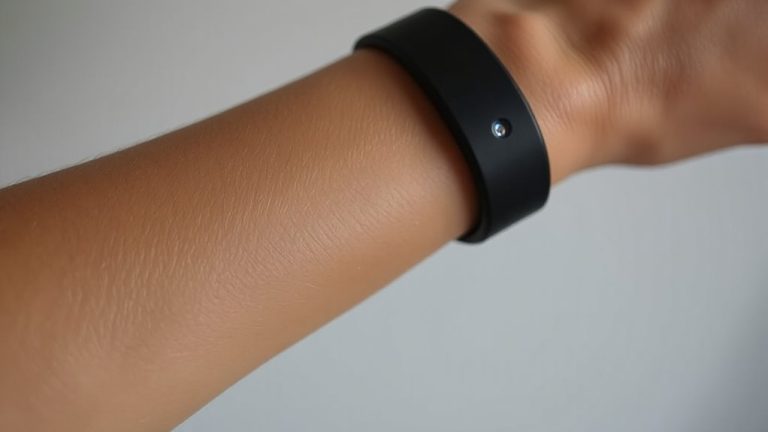
While your smartwatch tracks heart rate and sleep cycles, it’s probably missing the invisible culprits sabotaging your recovery-until now. Wearable environmental sensors detect silent stressors like fluctuating air quality and ambient noise, often overlooked in fitness recovery. These devices measure real-time exposure to urban pollution, including PM2.5 and nitrogen dioxide, which studies link to increased inflammation and slower muscle repair. Unlike standard fitness trackers, advanced wearables integrate gas, particulate, and temperature sensors to identify environmental triggers before they impact performance. You’re no longer guessing why fatigue lingers; data reveals how city living subtly stresses your system. The sensors are small, low-power, and embed seamlessly into gear you already wear. While not all models offer medical-grade precision, their consistent monitoring adds valuable context to biometrics. They don’t just track effort-they protect recovery by exposing what your body can’t see.
Stop These 4 Ambient Stressors From Slowing Recovery
What if the air you’re breathing after a hard workout is quietly undermining your gains? Urban pollution, packed with fine particulates and toxins, inflames your lungs and slows muscle repair, especially in high-traffic areas. If you’re recovering near constant noise or glaring light, your nervous system stays activated, delaying rest mode. Elevated ambient heat disrupts core temperature regulation, reducing sleep quality-critical for recovery. And don’t overlook mental fatigue; environmental chaos like city clutter or excessive stimuli taxes cognitive resources, leaving less energy for physical rebuilding. Together, these stressors create a stealthy recovery tax. Wearable sensors help identify these invisible threats by tracking air quality, noise levels, temperature, and even your physiological responses. You’re not overreacting-you’re optimizing. Ignoring these factors means accepting subpar results. Smart recovery means controlling your environment, not just your reps.
Get Real-Time Alerts for Air, Heat, and Noise Risks
You’re already tracking your reps, rest, and heart rate-so why leave your recovery environment to guesswork? Modern wearable sensors give you real-time alerts when air quality dips, heat builds, or noise levels spike-critical factors that can hinder recovery. Poor air quality, especially elevated CO₂ or pollutants, may reduce oxygen delivery and slow muscle repair. Sudden rises in ambient heat can elevate core temperature, disrupting restorative sleep. Meanwhile, elevated noise levels-even if not consciously disruptive-can fragment sleep cycles and increase cortisol. Devices equipped with environmental monitoring actively detect these stressors, sending instant notifications to your phone or smartwatch. Some even integrate with home systems to trigger air purifiers or adjust room temperature. These wearables don’t just collect data-they act as preventive tools, helping you maintain ideal recovery conditions. For serious athletes and active individuals alike, that’s not just convenient-it’s a measurable advantage.
Which Environmental Sensor Fits Your Recovery Goals?
How do you know which environmental sensor truly aligns with your recovery needs? It depends on your goals and environment. For athletes managing altitude acclimation, sensors tracking barometric pressure help monitor elevation changes and oxygen availability. If light exposure regulation is key-like syncing circadian rhythms-wearables with ambient light sensors are essential. For general recovery, consider accuracy, battery life, and integration with recovery apps. Here’s a quick comparison:
| Sensor Type | Best For | Key Benefit |
|---|---|---|
| Light Sensor | Sleep & circadian health | Tracks blue light exposure |
| Barometric Sensor | Altitude acclimation | Monitors elevation and air pressure |
| Ambient Sensor | Overall environmental load | Combines temp, humidity, and light |
Choose wisely based on your recovery focus and environmental stressors.
Use Sensor Data to Adjust Sleep, Hydration, and Rest
While environmental sensors provide granular data on external conditions, their real value lies in how you apply that information to fine-tune recovery practices like sleep, hydration, and rest. If your wearable detects elevated noise or poor ambient lighting at night, you’re likely getting lighter, less restorative sleep-adjusting room brightness or using blackout curtains can help. High daytime temperatures or low humidity readings should prompt increased water intake, especially post-training. When combined with heart rate variability data, spikes in environmental stressors can signal rising emotional stress, suggesting you shorten intense workouts or prioritize rest. You’re not just tracking inputs; you’re responding intelligently. Sensors that monitor air quality or light temperature give you actionable feedback, letting you optimize recovery zones at home or work. Used wisely, this tech transforms raw data into effective, personalized recovery-making your gear not just smart, but insightful.
Fix These 5 Tracking Gaps That Skew Your Recovery
Why do some athletes still wake up tired despite wearing the latest recovery tech? Because tracking gaps quietly distort your data. First, many wearables ignore ambient cold exposure, misjudging recovery strain during winter training. Second, altitude variation isn’t consistently factored, skewing heart rate variability (HRV) interpretations. Third, hydration sensors often lack real-time electrolyte tracking, making fluid logs incomplete. Fourth, sleep trackers miss environmental noise and light fluctuations that disrupt deep sleep cycles. Finally, most devices fail to sync external stressors-like travel or air quality-into recovery scores. You’re not recovering blind, but your tech might be. To fix this, choose wearables with environmental sensors that measure temperature gradients and oxygen saturation. When cold exposure or altitude variation is logged accurately, recovery algorithms adjust appropriately. Close these gaps, and your data finally reflects reality-helping you recover smarter, not harder.
On a final note
You’re more in control of your recovery when you act on what your body and environment tell you. Wearable environmental sensors fill a critical gap, detecting air quality, temperature, noise, and humidity that silently impair recovery. These tools don’t just collect data-they enable smarter choices about hydration, sleep timing, and rest intensity. While not all trackers include this tech, the best recovery strategies now combine biometrics with environmental insight for truly adaptive, evidence-based regeneration.