Transitioning Into a Full Rest Week After Major Championships to Support Identity Recalibration in Retiring Athletes
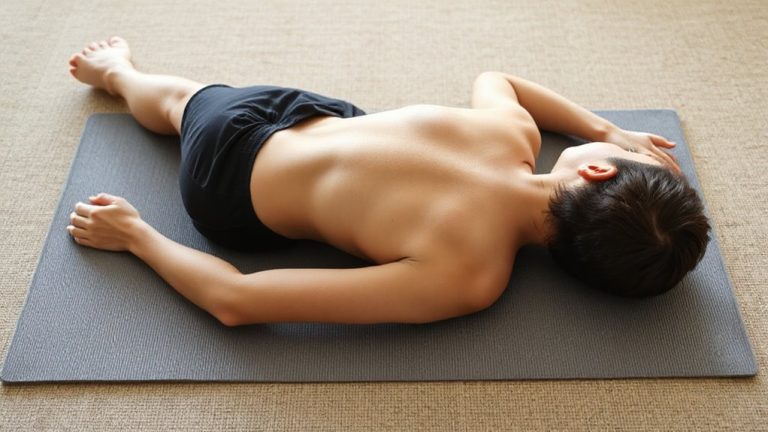
You need a full rest week after major championships to let your body and mind reset. Stepping away helps repair muscle damage and balance stress hormones. It’s not just recovery-it’s identity recalibration. Detox from trackers and social media. Reconnect with nature, quiet time, and internal cues. This break isn’t laziness; it’s strategic restoration that sets the stage for lasting clarity and purpose beyond sport.
Notable Insights
- A rest week after major championships allows retiring athletes to begin identity recalibration through mental and physical recovery.
- Disengaging from performance trackers and social media reduces external validation and supports internal self-reflection.
- Immersing in nature helps lower cortisol levels and regulates the nervous system during identity transition.
- Daily mindful practices like journaling and body scans rebuild self-awareness beyond the athlete identity.
- Intentional rest creates a foundation for exploring new roles and integrating multifaceted aspects of self-worth.
Why Athletes Need a Rest Week After Competition
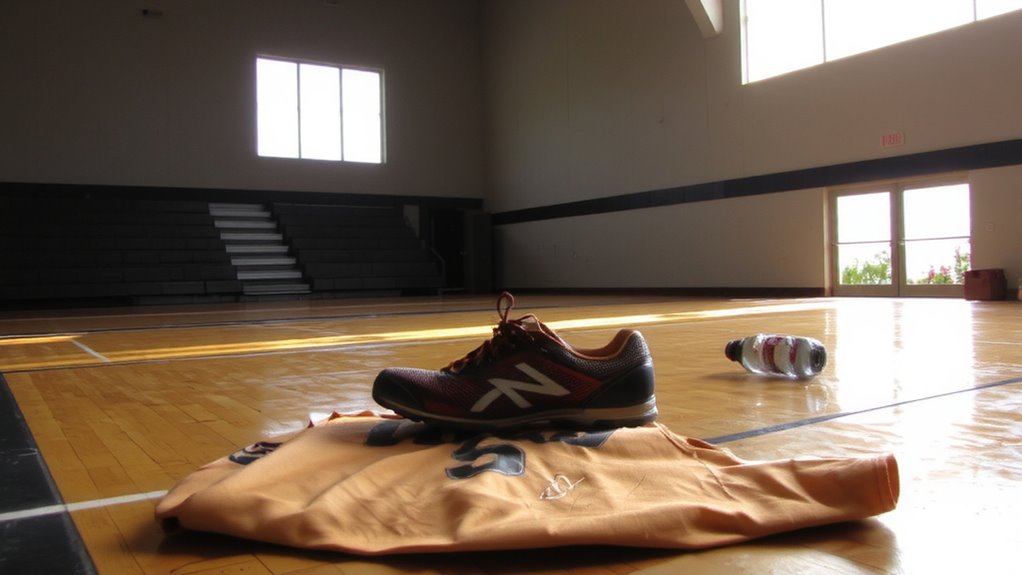
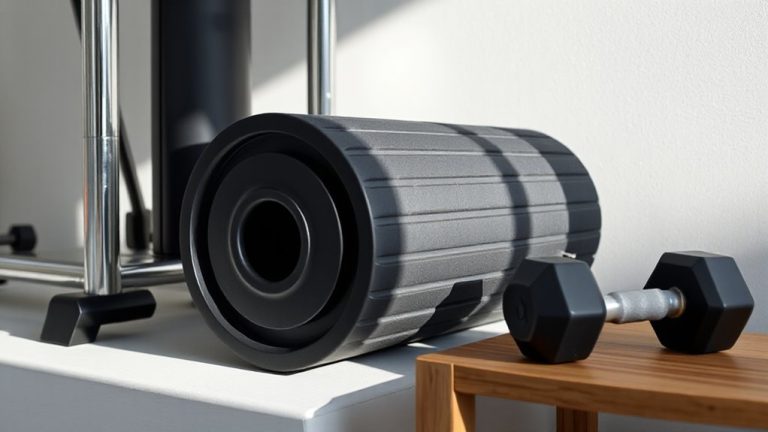
While you might feel tempted to jump straight back into training after a major competition, giving your body a full rest week is essential for peak recovery and long-term performance. This pause isn’t laziveness-it’s purposeful. Mental recovery allows your brain to process the intensity of competition, lowering stress hormones and resetting focus. Physical restoration repairs microtears in muscle fibers, replenishes glycogen stores, and reduces inflammation. Without this, even the most advanced fitness gear-compression wear, recovery boots, foam rollers-won’t compensate for systemic fatigue. Active recovery tools help, but they work best after a true rest baseline. Skipping rest risks overtraining, injury, and diminished adaptation. Top athletes who prioritize downtime return stronger, more resilient, with sharper mental clarity. You’ve pushed your limits; now let your body and mind fully recover. A rest week isn’t a detour-it’s a strategic part of peak performance. Incorporating best compression boots can further enhance circulation and speed up recovery during the post-rest activation phase.
When Your Sport Ends, Who Are You?
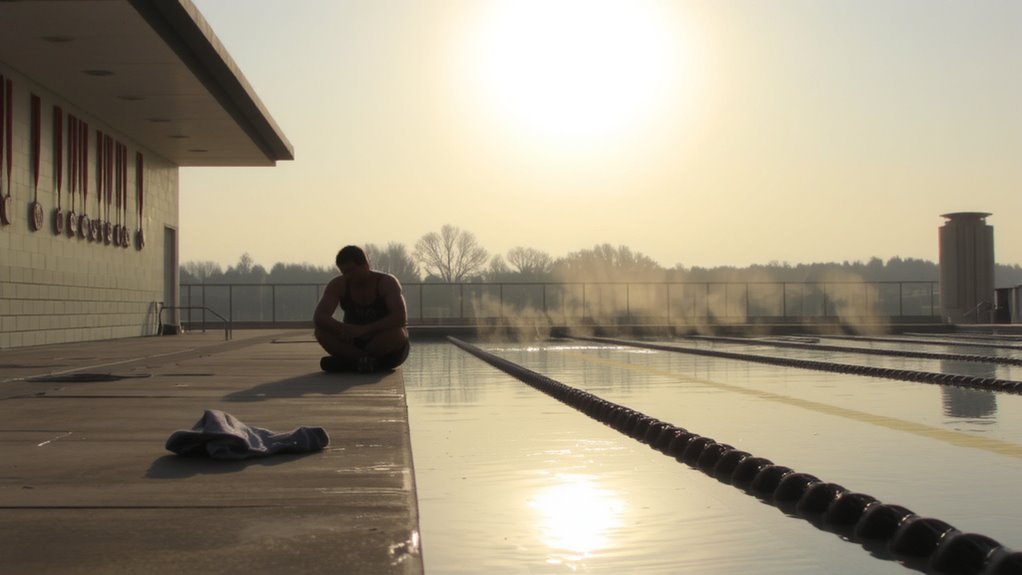
You’ve given your all during competition and honored the process with a full rest week, letting your body repair and your mind reset. Now, the silence grows louder-without the daily grind, who are you? Stepping away from elite sport often triggers an identity crisis; your athletic role once defined your worth, schedule, and relationships. But this shift isn’t an ending-it’s a necessary pivot toward personal evolution. The traits that made you a champion-discipline, resilience, focus-don’t vanish; they recalibrate. Retired athletes who embrace this phase with intentional reflection often build richer, multifaceted identities. It’s not about replacing competition with another high-stakes goal-it’s allowing space to explore who you are beyond the scoreboard. This rest week isn’t just physical recovery. It’s psychological groundwork, laying the foundation for long-term well-being and meaningful second careers.
What Belongs in a Real Rest Week
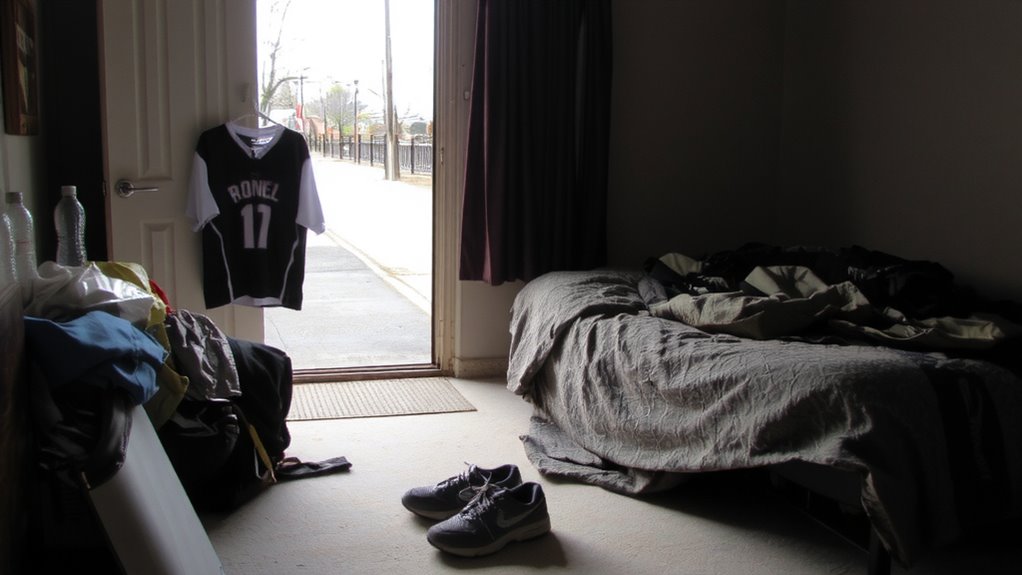
Because recovery isn’t just about avoiding workouts, a real rest week includes intentional choices that actively support physiological repair and mental recalibration. You need more than passive downtime-you need structured disengagement. A Digital Detox is essential: unplug from performance trackers, social media, and competition replays to reduce mental clutter and emotional reactivity. Constant exposure to fitness data can prolong performance anxiety, even post-retirement. Pair this with Nature Immersion-spend time in green or blue spaces like forests or lakes. Studies show it lowers cortisol and supports nervous system regulation. Walking without a destination, sitting quietly, or simply breathing outdoors aren’t indulgences; they’re recovery tools. Unlike fitness gear that monitors output, these practices recalibrate internal cues. You’re not training your body anymore-you’re reteaching your mind how to rest. This week isn’t a gap. It’s the foundation.
Daily Practices to Reconnect With Yourself
How do you begin hearing yourself again after years of listening to heart rate monitors, split times, and coach-led cues? The silence can feel loud at first, but that’s when mindfulness practices and personal reflection become essential tools. Dedicate time each morning to sit quietly, observe your breath, and notice thoughts without judgment-this simple act rebuilds internal awareness. Journaling in the afternoon helps process emotions and track evolving self-perceptions. In the evening, try a body scan or gentle stretching while reflecting on the day. Using a best massage gun can further enhance somatic awareness by releasing physical tension stored in muscles, supporting the mind-body connection during this transitional period.
| Practice | Purpose |
|---|---|
| Mindful breathing | Calms nervous system |
| Journaling | Supports personal reflection |
| Body scan | Enhances somatic awareness |
These daily rituals aren’t just recovery-they’re identity groundwork. Consistency matters more than duration. Over time, you’ll detect shifts in self-understanding, making space for who you’re becoming beyond performance.
Life After the Rest Week: What’s Next?
What comes after the quiet? You’ll step into a phase defined by intention-career exploration isn’t just practical, it’s necessary for sustained identity integration. The rest week reset your rhythms, but now, structure returns. You’re not just healing physically; you’re building psychological resilience. Personal growth emerges through deliberate effort: evaluating strengths, testing new roles, even volunteering or upskilling. Recovery isn’t passive anymore-it’s strategic. Just like fitness gear supports performance, proper planning supports change. Think of it like periodization: rest, then adaptation. You wouldn’t skip cooldown after a race, so don’t skip recalibration now. Use tools, timelines, and mentors like you’d use compression gear or heart rate monitors-precision matters. This isn’t an off-season. It’s redefinition. The finish line was a pivot, not an end. Keep measuring progress-not in reps or times, but in clarity, direction, and self-understanding. You’re still training-just the long game now.
On a final note
You need this rest week not just to recover physically, but to rethink who you are beyond competition. Without it, identity loss can undermine mental health. Quality recovery gear-like compression wear and foam rollers-supports healing, but only if paired with intentional reflection. This recalibration isn’t passive downtime; it’s structured reconnection. You’re not resting to do nothing-you’re preparing to shift with clarity, purpose, and long-term well-being in mind.