The Role of Athletic Trainers in Mental Health First Response
You’re in a unique position to spot mental health concerns early, thanks to your daily interactions with athletes. Trained in mental health first aid, you can identify red flags, offer immediate support, and guide them toward professional care. Routine check-ins help track mood and behavior changes, differentiating normal stress from crisis. With the right skills, you don’t just support physical recovery-you’re a trusted bridge to emotional resilience, and there’s more to how this role evolves in practice.
Notable Insights
- Athletic trainers serve as first responders by identifying early signs of mental health distress in student-athletes.
- Their daily interactions build trust, making them a go-to outlet for athletes experiencing emotional challenges.
- Routine check-ins help detect changes in mood, behavior, and energy levels over time.
- Trained in mental health first aid, they use active listening and crisis stabilization techniques to provide immediate support.
- They bridge care by connecting athletes to licensed professionals while reducing stigma and ensuring follow-up.
Why Athletic Trainers Are First Responders for Mental Health
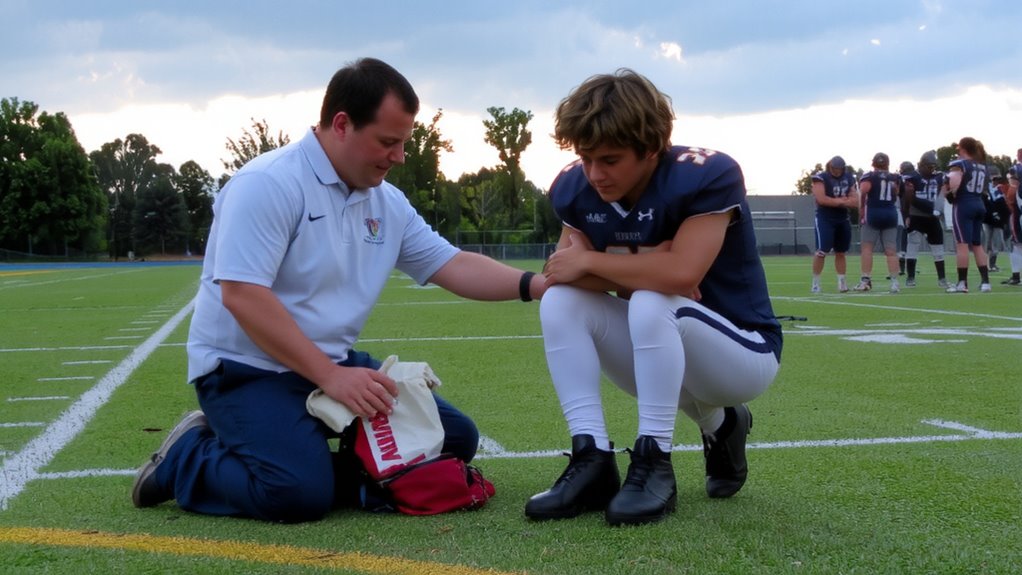
While you might not immediately picture an athletic trainer when thinking about mental health support, the reality is they’re often the first ones on the scene when a student-athlete struggles emotionally or psychologically. You see them on the sidelines, but their role extends far beyond taping ankles or icing shoulders. They build trust through daily interactions, making them a natural outlet when someone’s overwhelmed. Their presence fosters peer support, creating environments where others feel safe to speak up. They don’t replace therapists, but their awareness helps identify early signs of distress. By promoting emotional resilience, they equip athletes with tools to manage pressure, injury, and setbacks. You’d be surprised how often a quick check-in after practice leads to meaningful conversations. Their accessibility, combined with structured training, positions them as critical links in mental health response-not just for physical recovery, but for psychological well-being too.
What Mental Health First Aid Training Empowers Trainers to Do

You already know athletic trainers are often the first to notice when a student-athlete is struggling, thanks to consistent contact and built-up trust. Mental Health First Aid training sharpens your ability to respond effectively, giving you tools for early identification and meaningful intervention. You’re equipped to offer immediate emotional support, using active listening and nonjudgmental communication. When signs of distress escalate, you can step in confidently with crisis intervention strategies, helping stabilize the individual until professional help arrives. The training doesn’t turn you into a therapist, but it does empower you to act quickly and appropriately. You learn to recognize risk factors, assess for safety, and connect athletes with proper resources. This proactive role enhances your impact, making you a vital bridge between physical care and mental well-being in athletic environments.
How Routine Check-Ins Reveal Mental Health Changes
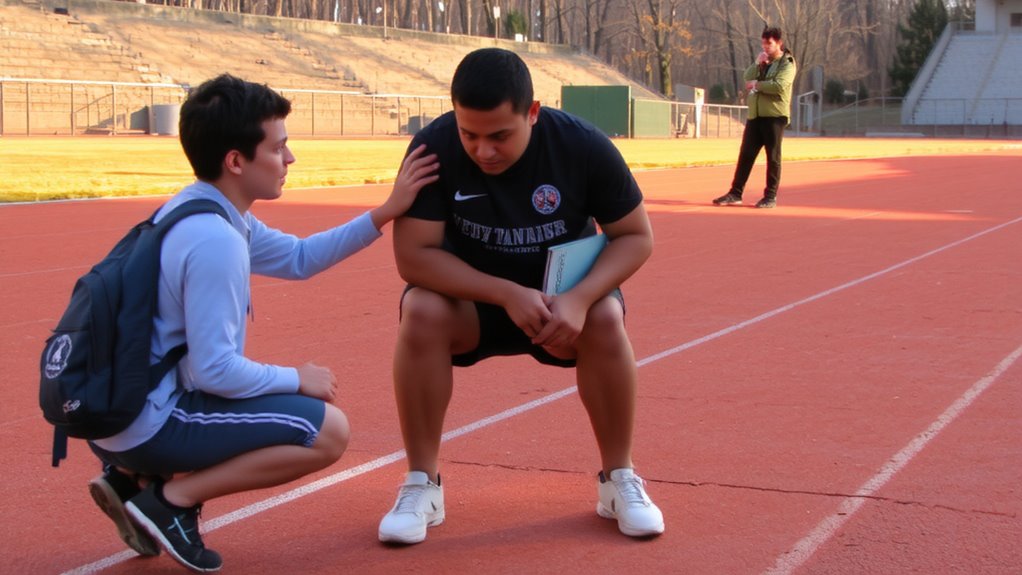
Because athletic trainers interact with student-athletes on a near-daily basis, small but significant shifts in mood, behavior, or energy levels often surface during routine check-ins. You notice when someone who’s usually upbeat seems withdrawn or when a typically focused athlete appears distracted. These moments help you track emotional patterns over time, giving insight into their mental well-being. Behavioral shifts-like changes in communication, effort, or social interaction-can signal underlying struggles before they escalate. You’re not just monitoring physical recovery; you’re tuning into mental cues that others might miss. Regular conversations build trust, making athletes more likely to open up. By staying consistent with check-ins, you create a reliable baseline, helping you spot subtle changes early. This proactive approach doesn’t replace clinical care, but it strengthens early detection, allowing for timely support and connection to resources when needed.
When to Act: Telling Stress From Mental Health Crisis
How do you know when a student-athlete’s struggles go beyond everyday stress? It comes down to recognizing symptoms and evaluating urgency. Normal stress might show up as tiredness or mild irritability, especially during heavy training or exams. But when you see drastic mood shifts, withdrawal from teammates, or talk of hopelessness, those are red flags. Recognizing symptoms like disrupted sleep, loss of appetite, or declining performance over weeks helps differentiate stress from something more serious. Evaluating urgency means asking: Is there risk of harm? Are coping strategies failing? You’re not diagnosing, but your role is vital in spotting when support isn’t enough and intervention is needed. Quick judgment, based on consistent observation and clear indicators, guarantees the athlete gets help before a crisis escalates. Trust your training-early action saves more than careers.
How Trainers Connect Athletes to Therapists and Counselors
While athletic trainers aren’t expected to provide therapy, they often serve as the critical link between student-athletes in distress and licensed mental health professionals. You rely on strong referral networks to connect athletes with counselors who understand sports-related pressures. These networks-built with campus health services, community providers, and telehealth platforms-ensure timely access to care. Your role hinges on trust building; athletes open up only when they feel safe and respected. By maintaining confidentiality and showing consistent support, you create an environment where seeking help feels normal, not weak. You assess symptoms, document concerns, and guide athletes through the first steps of care-without overstepping your scope. Effective referrals aren’t just about handing out phone numbers; they require follow-up, coordination, and collaboration. When you combine clinical judgment with compassionate communication, you don’t just refer-you advocate, ensuring athletes get the specialized mental health support they need.
On a final note
You play a key role in athlete well-being, bridging physical care and mental health support. With Mental Health First Aid training, you recognize warning signs, differentiate stress from crisis, and initiate timely interventions. Routine check-ins enhance early detection, while your connections to counselors guarantee proper follow-up. This proactive approach strengthens recovery, performance, and resilience-proving that effective fitness recovery includes both body and mind, and the right gear supports both through reliable, evidence-based care.