How Pre-Sleep Collagen With Vitamin C Supports Tendon Repair and Sleep Quality
Your body repairs tendons most efficiently at night, thanks to elevated HGH release during deep sleep. Taking hydrolyzed collagen with vitamin C before bed gives your tendons the amino acids and cofactors they need for ideal remodeling. Vitamin C stabilizes collagen’s structure while reducing oxidative stress. Types I and III collagen support tendon strength, and glycine in collagen may improve sleep quality. This simple habit boosts recovery-especially when timed right. You’ll see how to idealize it tonight.
Notable Insights
- Pre-sleep collagen provides hydrolyzed peptides that support overnight tendon repair during peak HGH release.
- Vitamin C enables collagen synthesis by stabilizing the triple helix structure and acting as an essential cofactor.
- Taking collagen with vitamin C before bed aligns with circadian-driven tissue remodeling and deep sleep cycles.
- Glycine in collagen may improve sleep quality by supporting thermoregulation and restorative brain function.
- Combining Types I and III collagen with vitamin C maximizes tendon elasticity and recovery free from daytime stress.
Why Tendon Repair Peaks at Night
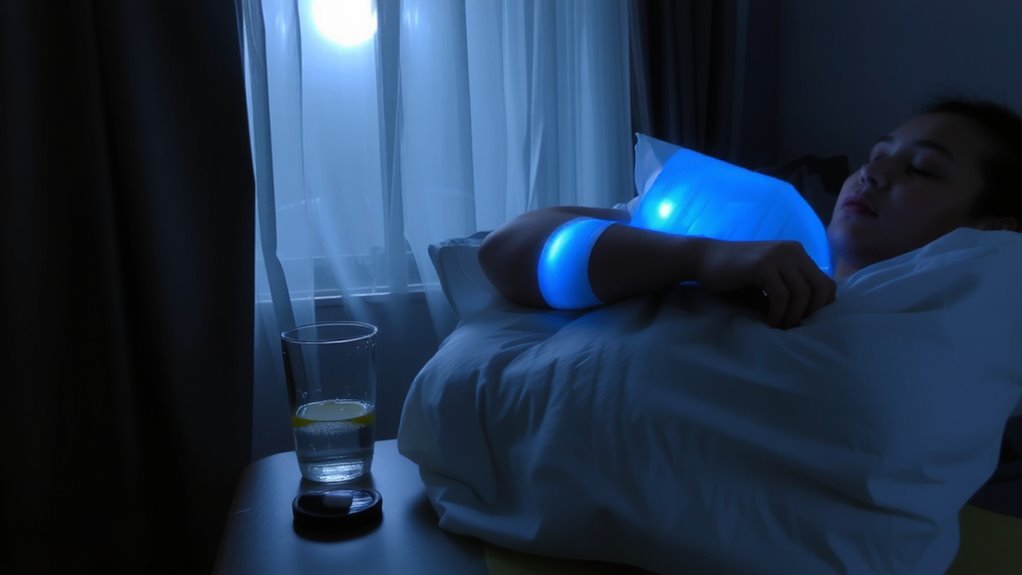
While your body does a lot of maintenance overnight, tendon repair actually hits its peak during deep sleep, thanks to a surge in human growth hormone (HGH) and reduced physical stress on connective tissues. You’re not moving much then, so your tendons get a break, letting the real work begin. Hormonal regulation during this phase supports critical tissue remodeling-your body replaces damaged fibers with stronger, more resilient structures. HGH, in particular, drives collagen synthesis essential for this process. Unlike daytime recovery, when inflammation and mechanical strain interfere, nighttime offers a prime window for structural repair. Fitness recovery isn’t just about rest; it’s about timing. High-quality sleep transforms downtime into active restoration, especially if your routine supports physiological efficiency. Though recovery gear like compression sleeves helps manage symptoms, it’s your body’s internal processes-guided by circadian rhythms and hormonal cues-that deliver lasting tendon health.
How Collagen Before Bed Supports Tendon Healing
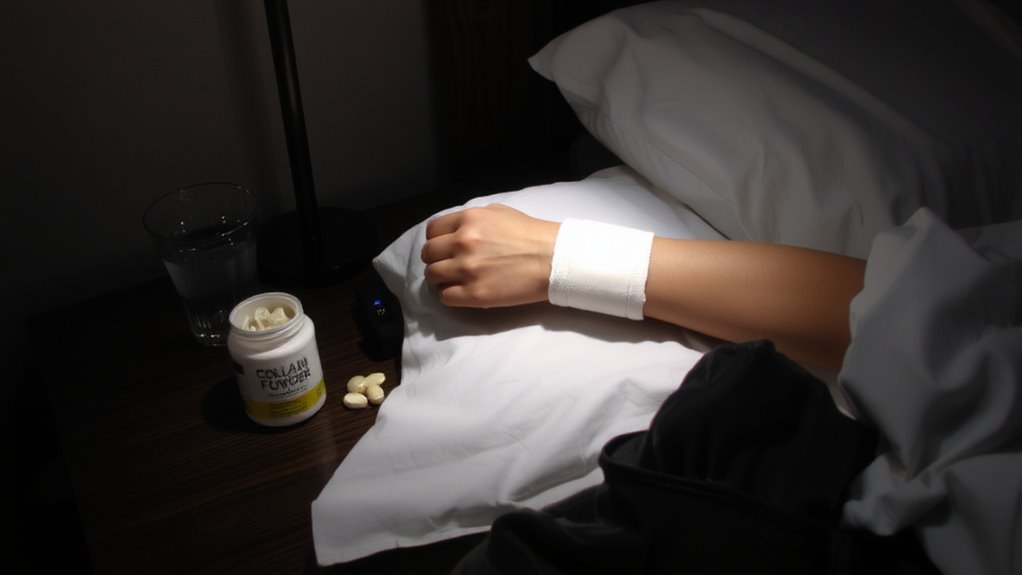
Since your body ramps up collagen production during deep sleep, taking a collagen supplement with vitamin C before bed can give tendon repair a meaningful boost. Your overnight collagen synthesis peaks when your body is at rest, making pre-sleep the ideal window to support recovery. By supplying hydrolyzed collagen peptides right before you sleep, you’re giving your tendons the raw materials they need to rebuild stronger. This nightly support enhances tendon elasticity, helping tissues withstand daily stress and reducing injury risk over time. Consistent use aligns with the body’s natural repair rhythm, improving structural integrity where it matters most. While fitness gear supports mechanical stability, internal nourishment drives lasting adaptation. Collagen taken pre-sleep doesn’t replace proper equipment or training load management-but it complements them. For active individuals, it’s a practical, science-backed addition to recovery protocols that targets repair at the cellular level.
Why Vitamin C Is Essential for Collagen Production

You’ve already seen how taking collagen before bed supports tendon healing by syncing with your body’s natural repair cycle during deep sleep. But without vitamin C, that collagen isn’t doing nearly as much. You need vitamin C for proper collagen synthesis-it’s a cofactor for enzymes like prolyl hydroxylase, which stabilize the collagen molecule’s triple helix structure. Without it, collagen weakens and production slows. On top of that, vitamin C offers antioxidant support, helping neutralize free radicals produced during recovery. That means less oxidative stress interfering with tissue repair while you sleep. Studies show that even mild vitamin C deficiency can impair wound and tendon healing. So while your pre-sleep collagen supplement gives your body raw materials, vitamin C activates the process. It’s not just helpful-it’s essential. Pairing high-quality collagen with ample vitamin C optimizes overnight recovery, making your nightly routine far more effective for long-term tendon resilience.
Which Collagen Types Work Best at Night
If you’re aiming to maximize overnight tissue repair, focusing on collagen type matters just as much as timing. For nighttime recovery, Types I, II, and III deliver the most benefit due to their roles in tendons, skin, and joint support. Combining these creates collagen synergy, enhancing structural repair when your body’s in recovery mode. Proper amino timing-ingesting collagen peptides 30–60 minutes before bed-aligns with natural repair cycles. Here’s how key types compare:
| Type | Primary Role | Best For Nightly Use? |
|---|---|---|
| I | Skin, tendons, bones | Yes – supports tendon repair |
| II | Cartilage health | Moderate – joint maintenance |
| III | Connective tissues | Yes – works with Type I |
| IV | Basement membranes | No – less relevant |
| X | Joint cartilage | Limited – niche support |
Targeted collagen synergy and smart amino timing make Types I and III your top picks at night.
Does Collagen Before Bed Help You Sleep Better?
Collagen’s role in overnight recovery goes beyond tissue repair-it may also influence sleep quality, though the connection isn’t always straightforward. You might find that taking collagen before bed supports more restful nights, primarily due to its glycine content, an amino acid shown to help regulate sleep cycles and lower core body temperature, promoting deeper rest. While collagen isn’t a sedative, emerging research suggests glycine can improve subjective sleep quality, especially when combined with a consistent bedtime routine. Unlike melatonin supplements, collagen works subtly, supporting brain function and metabolic processes during sleep rather than inducing drowsiness. For active individuals, better sleep quality means more efficient recovery-critical for joint health and performance. Though results vary, many report waking up feeling refreshed after making pre-sleep collagen a habit. It won’t replace good sleep hygiene, but it can be a valuable part of your nighttime regimen.
How Athletes Recover Faster With Nighttime Collagen
While most recovery strategies focus on post-workout nutrition and hydration, timing your collagen intake at night can markedly enhance tissue repair during sleep, especially for athletes under consistent physical strain. Your body enters peak regeneration mode during deep sleep, and pre-sleep collagen provides essential amino acids exactly when tendons and connective tissues are most receptive to repair. Studies show this timing supports faster recovery, improving muscle elasticity and reducing stiffness by reinforcing the extracellular matrix. Athletes who take collagen before bed often report better joint mobility, vital for high-intensity training and injury prevention. Unlike general protein supplements, collagen specifically targets structural proteins, making it more effective for connective tissue integrity. Combined with consistent training and proper recovery gear, nighttime collagen becomes a strategic advantage-subtle but impactful-supporting long-term performance and structural resilience without disrupting sleep or digestion.
Easy Nighttime Collagen + Vitamin C Habits
Right before bed, slipping into the habit of mixing collagen with a splash of vitamin C doesn’t just feel simple-it’s a move grounded in smart recovery science. Adding this combo to your bedtime routines enhances collagen synthesis, especially when taken 30–60 minutes before sleep on an empty stomach. That’s when your body shifts into repair mode, making supplement timing critical for athletes and active individuals. Just one scoop of hydrolyzed collagen peptide (about 10–15g) with a 50–100mg dose of vitamin C-think a small glass of orange juice or a chewable supplement-triggers fibroblast activity in tendons and ligaments. Unlike daytime supplements, this pre-sleep pairing works without competing digestion, accelerating tissue recovery overnight. It’s not flashy fitness gear, but it’s high-yield recovery strategy. Consistency matters more than complexity-integrate it, and let your sleep do the healing.
On a final note
You’re more likely to support tendon repair and sleep quality by taking collagen with vitamin C before bed. Evidence shows collagen synthesis peaks during sleep, especially with types I and III. Vitamin C isn’t optional-it’s essential for stabilizing collagen fibers. Nighttime dosing aligns with circadian repair rhythms, and athletes report faster recovery. Pairing this habit with consistent sleep hygiene maximizes tissue healing. It’s a simple, science-backed upgrade to recovery routines.