How Gentle Stretching Before Bed Releases Muscle Tension and Aids Recovery
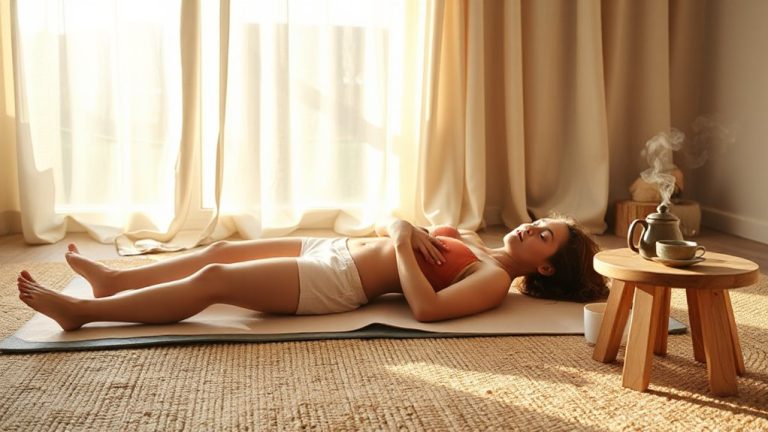
You boost muscle recovery by stretching gently before bed-it increases blood flow, delivering nutrients that repair tissue overnight. This routine also releases built-up tension in tight areas like hips and shoulders, calming your nervous system. Over time, you’ll notice less soreness and better flexibility. Paired with good hydration and supportive sleep gear, it enhances restorative sleep. Consistency turns this simple habit into a powerful recovery tool. There’s more to optimizing your nightly routine effectively.
Notable Insights
- Gentle stretching before bed increases blood flow to muscles, delivering nutrients that support repair and recovery overnight.
- It releases built-up tension in common trouble areas like hips, shoulders, and lower back through sustained, relaxed stretching.
- Stretching activates the parasympathetic nervous system, helping the body transition into restful, restorative sleep.
- Nightly stretching improves flexibility and reduces muscle soreness by loosening tight fibers and enhancing tissue regeneration.
- A consistent 10-minute routine with static holds and breath control deepens relaxation and supports joint mobility over time.
How Bedtime Stretching Speeds Up Muscle Recovery
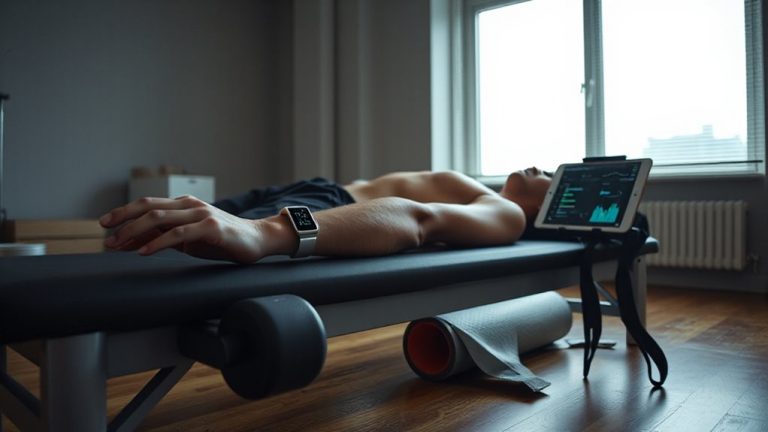
While you’re winding down for the night, a few well-placed stretches can make a real difference in how quickly your muscles recover. You’re not just relaxing-you’re actively supporting muscle repair by increasing blood flow and delivering nutrients where they’re needed most. This subtle recovery boost enhances tissue regeneration, especially if you’ve trained intensely. Stretching primes your body to shift into rest, allowing deeper recovery during sleep. Unlike aggressive cooling-down methods, gentle movements before bed are sustainable and require no special gear, making them practical for consistent use. While foam rollers or recovery boots offer targeted benefits, they’re no substitute for the simplicity and effectiveness of a nightly stretch routine. Over time, this habit improves flexibility and reduces soreness, giving you a measurable edge in performance. You’re not just preventing stiffness-you’re optimizing your body’s natural healing cycle. Adding a stretching strap can help deepen your stretches safely and improve flexibility over time.
How Stretching at Night Eases Built-Up Tension
Tension creeps in quietly-through long workdays, intense workouts, or hours spent hunched over a screen-and accumulates in your shoulders, hips, and lower back by nightfall. By stretching before bed, you initiate a deliberate process of muscle relaxation that loosens tight fibers and improves circulation. This nightly habit encourages tension release, helping your body unwind from the day’s physical and mental strain. Unlike passive recovery, active stretching signals your nervous system to shift into rest mode, enhancing overall recovery quality. You don’t need specialized fitness gear-just consistent, mindful movement. Over time, this routine reduces chronic tightness and supports joint mobility. While foam rollers or resistance bands can assist, they’re not essential. The real benefit lies in simplicity: a few minutes of sustainable stretching delivers measurable improvements in comfort and sleep quality, making it a practical, accessible tool for long-term wellness. For those seeking additional support, using best back stretching equipment can enhance relief for persistent lower back tension.
Best Stretches for Tight Hips and Shoulders Before Bed
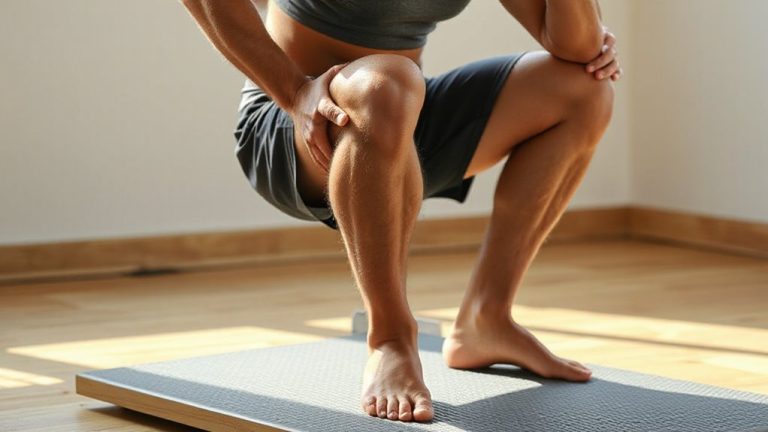
A well-chosen routine of stretches can make a real difference when targeting tight hips and stiff shoulders before bed, especially since these areas bear much of your daily physical load. For hip flexibility, try the supine figure-four stretch-lie on your back, cross one ankle over the opposite knee, and gently pull the supporting leg toward your chest. Hold for 30 seconds per side to loosen deep glutes and hip rotators. The kneeling lunge stretch also helps open tight hip flexors, especially after long periods of sitting. To improve shoulder mobility, perform seated shoulder rolls and cross-body arm stretches, which release tension in the deltoids and upper back. The doorway pec stretch is excellent for counteracting forward posture and enhancing joint range. These movements, when done consistently, support balanced musculature and aid recovery. They require no fitness gear, though a basic mat improves comfort.
What Science Says: Stretching and Deeper Sleep
You’re likely already stretching to ease tight hips and shoulders, but there’s growing evidence that your evening routine does more than just improve flexibility-it may actually help you sleep better. Studies suggest that gentle stretching before bed can enhance sleep quality by calming your nervous system and signaling your body it’s time to rest. When you stretch, you reduce physical tension and mental stress, both of which can interfere with falling asleep. This nightly habit may also support your circadian rhythm by reinforcing a consistent wind-down pattern. Over time, regular stretching could lead to more restorative sleep, helping your muscles recover and your energy levels stabilize. While it’s not a standalone fix for sleep disorders, it complements other recovery practices like proper hydration and using supportive fitness gear. The combined effect? A more balanced body primed for rest and repair.
Build Your 10-Minute Nighttime Stretch Routine
Why not start tonight? Building your 10-minute nighttime stretch routine is simple and effective. Begin with gentle movements that boost joint mobility-think neck rolls, shoulder circles, and ankle rotations. These prep your body by warming connective tissues and lubricating joints, easing stiffness. Then move into static holds: seated forward fold, child’s pose, and supine twist-each for 60 seconds. Focus on breath control: inhale deeply through the nose, exhale slowly to signal your nervous system it’s time to rest. This combo reduces muscle tension and supports fitness recovery by enhancing circulation. Unlike recovery tools like foam rollers or massage guns-useful but time-consuming-a stretch routine requires no gear. It’s low-cost, practical, and sustainable. Consistency matters more than intensity. Done nightly, it improves flexibility, eases joint stress, and deepens sleep quality. Just 10 minutes can make a real difference over time. For those interested in enhancing their routine, incorporating proven stretching equipment can provide added support and improve results.
On a final note
You’ll recover faster and sleep deeper by stretching before bed, as it eases muscle tension and improves circulation. Nightly stretching boosts flexibility and reduces soreness, especially in tight hips and shoulders. It’s a simple, equipment-free practice with measurable benefits. While fitness gear like foam rollers can help, consistent stretching costs nothing and delivers real results. Over time, this routine supports long-term mobility, making it a practical, sustainable part of recovery.