Dynamic Warm-Up for Seniors: Gentle Movements to Improve Joint Lubrication
Your joints rely on movement to stay lubricated, especially after 60 when synovial fluid production slows. A dynamic warm-up boosts circulation, thins joint fluid for smoother motion, and delivers nutrients to cartilage through gentle compression. Try shoulder rolls, ankle circles, and seated marches to wake up stiff joints without strain. These low-impact moves prepare connective tissues gradually, supporting long-term mobility. Quality recovery tools like foam rollers can enhance results when used consistently-there’s more to discover about optimizing your routine.
Notable Insights
- Dynamic warm-ups stimulate synovial fluid production, enhancing joint lubrication in seniors.
- Gentle movements increase joint temperature, thinning synovial fluid for better circulation.
- Morning warm-ups counteract stiffness from overnight reduced fluid circulation.
- Seated marches and ankle circles promote lubrication with low-impact, safe motion.
- Consistent daily warm-ups support long-term joint health and functional mobility.
Why Joints Need Warm-Ups After 60
As you age past 60, your joints naturally undergo changes that make warm-ups not just helpful but essential. Synovial fluid production slows, reducing joint lubrication and impeding joint nutrition. Without movement, cartilage-lacking blood vessels-relies on mechanical compression to receive nutrients, meaning inactivity compromises cartilage health. Regular dynamic warm-ups stimulate circulation and enhance nutrient delivery to joint tissues, supporting long-term function. Fitness recovery tools like foam rollers or resistance bands can amplify this effect when used properly. However, gear quality matters; poorly designed products may encourage improper form. You’ll want gear with verified durability and ergonomic design to support safe movement. Evaluating such tools through clinical research and user feedback guarantees they complement warm-up routines effectively. Warm-ups aren’t just preparation-they’re prevention. By prioritizing joint nutrition and cartilage health early, you’re investing in mobility that lasts. For targeted myofascial release, consider using one of the best foam rollers designed for seniors with verified durability.
How Warm-Ups Improve Joint Mobility in Seniors
You’re not imagining it-your joints feel stiffer in the morning, and that once-easy twist of the torso now comes with resistance. Dynamic warm-ups help combat this by stimulating synovial fluid production, which lubricates joints and enhances mobility. As you move gently, temperature in the joint increases, thinning synovial fluid so it spreads more efficiently. This supports cartilage health by improving nutrient delivery and shock absorption. Regular movement primes joint capsules and connective tissues, making daily activities easier.
| Benefit | Effect on Joint Health |
|---|---|
| Increased synovial fluid | Enhances lubrication and reduces friction |
| Better circulation | Supports cartilage health and repair |
| Gradual joint loading | Prepares tissues for activity safely |
Consistent warm-ups aren’t just routine-they’re essential maintenance for lasting joint function.
Easy Moves That Relieve Morning Joint Stiffness
Why do your joints feel like they’re frozen in place when you first get out of bed? Overnight, synovial fluid circulation slows, contributing to morning stiffness. But easy, intentional movements can reactivate lubrication and boost joint flexibility. Start with gentle neck tilts-just small, slow motions-to ease tension. Roll your shoulders forward and back, repeating five times each direction. Wiggle your fingers and slowly make fists to awaken hand joints. Ankle circles, done while lying down, also help restore mobility. These simple actions stimulate fluid flow without straining tissues. Unlike intense workouts, they prepare your body for movement, reducing discomfort before it starts. They’re practical, require no gear, and take just minutes. Consistent use lessens morning stiffness over time, supporting long-term joint health. You’ll notice better range of motion and feel more limber by midday. It’s not about performance-it’s about function, recovery, and sustainable comfort in daily living.
Seated Exercises to Wake Up Stiff Joints
Your morning routine’s effectiveness often hinges on how well it accommodates reduced mobility, and seated exercises offer a practical solution for easing into movement without overwhelming stiff joints. Seated marches are excellent for gently activating hip flexors and improving circulation; they require minimal range of motion but deliver noticeable benefits in joint awareness and muscle engagement. Lift your knees alternately as if marching in place while remaining seated-this controlled motion reduces strain while promoting synovial fluid circulation. Ankle circles further enhance joint lubrication by stimulating mobility in the lower extremities; simply rotate each foot in slow, deliberate circles to encourage flexibility and reduce morning stiffness. Both movements are low-impact, making them ideal for daily practice, especially when recovery is prioritized over intensity. These exercises support functional mobility, ensuring you start the day with smoother, more responsive joints.
A 5-Minute Daily Warm-Up Routine for Seniors
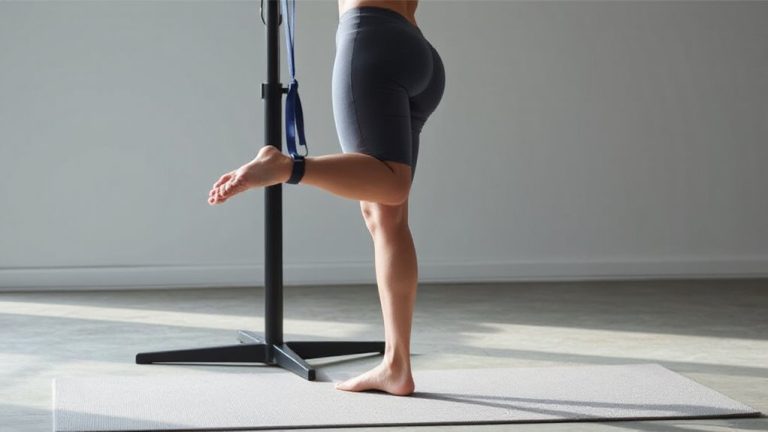
Building on the gentle joint activation provided by seated exercises, a short daily warm-up can further prepare the body for movement while supporting long-term mobility and muscle recovery. Stand and begin with slow arm circles and shoulder rolls to enhance blood flow and muscle activation. Step into a gentle march in place for two minutes, lifting knees just enough to engage hips without strain. Add heel-to-toe rocks to stimulate balance training and improve ankle mobility. Finish with side leg lifts-holding a chair if needed-to awaken glutes and support stability. This routine requires no fitness gear, though supportive, non-slip footwear can enhance safety during balance training. Consistency matters more than intensity. Over time, these movements promote joint lubrication, aid fitness recovery, and prepare your body for more active tasks. It’s effective, efficient, and easily sustained.
Best Times of Day to Warm Up for Maximum Mobility
When should you warm up to get the most out of your mobility work? Morning is often best, especially after early hydration to support joint lubrication and muscle elasticity. Starting your day with circadian stretching-gentle movements aligned with your body’s natural rhythm-can boost circulation and prepare your joints for daily activity. Your body temperature is lower upon waking, so a dynamic warm-up helps gradually elevate it, reducing stiffness. Late afternoon can also work well, as your muscles are naturally warmer, but morning consistency tends to build better long-term habits. While fitness recovery tools like foam rollers or resistance bands may enhance results, they’re most effective when used after a proper warm-up. For lasting mobility, pair timing with routine: early hydration followed by circadian stretching primes your system efficiently. This approach supports joint health better than sporadic evening efforts, especially when recovery gear complements-not replaces-thoughtful, timed movement.
On a final note
You’ll find that consistent dynamic warm-ups enhance joint lubrication and mobility, especially after 60. These gentle movements prime synovial fluid circulation, easing stiffness without strain. Unlike static stretching, dynamic routines boost blood flow and joint readiness. For fitness recovery, pairing proper warm-ups with supportive gear-like cushioned footwear or resistance bands-improves outcomes. Practical, daily use of these methods supports long-term joint health, making movement safer and more effective over time.