Ankle Alphabet Mobilizations With Resistance Bands for Comprehensive Joint Nutrition
You can boost ankle mobility and joint nutrition by doing ankle alphabet mobilizations with resistance bands. The controlled motion enhances synovial fluid circulation, supporting joint lubrication and long-term health. Use a latex-free, 12-inch looped band for consistent tension and better neuromuscular feedback. Perform the exercise 2–3 times daily, especially after sitting or swelling. Avoid jerky movements and guarantee full range to maximize benefits. There’s more to discover about proper progression and injury prevention.
Notable Insights
- Ankle alphabet mobilizations with resistance bands enhance joint nutrition by stimulating synovial fluid circulation through full-range motion.
- Controlled movements against band resistance improve proprioception and support long-term joint health and stability.
- Using light to medium resistance bands ensures safe, consistent tension for effective joint mobilization and ligament resilience.
- Performing the exercise 2–3 times daily, especially after immobility, optimizes joint lubrication and reduces stiffness.
- Avoid jerky motions and ensure proper band anchoring to maintain smooth resistance and maximize joint nutrition benefits.
Do the Ankle Alphabet With Resistance Bands
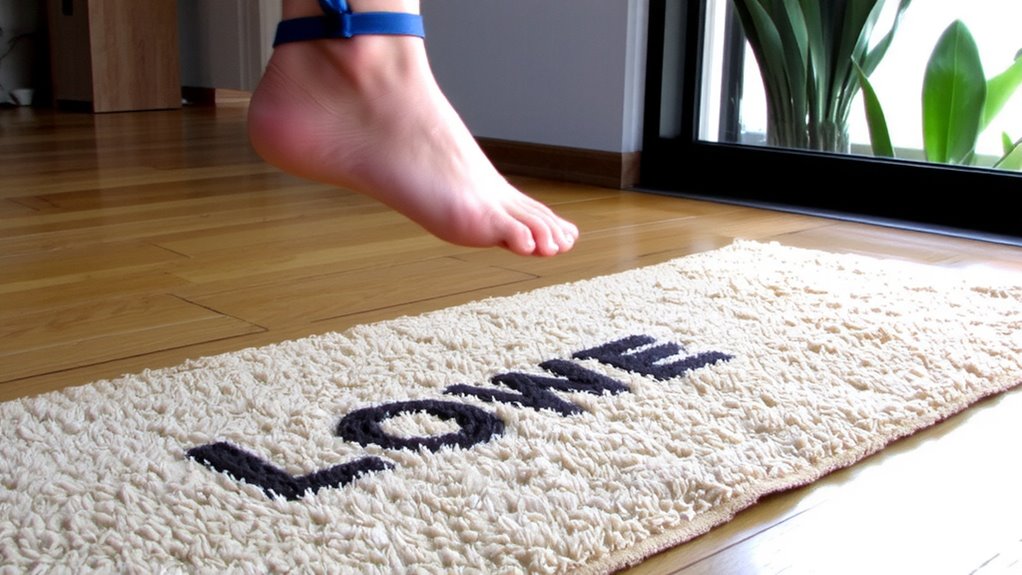
You’re not just drawing letters in the air when you do the ankle alphabet with resistance bands-you’re actively engaging the joint through its full range of motion while adding controlled tension to boost strength and proprioception. The band provides consistent resistance control, forcing your muscles to stabilize each movement, which builds neuromuscular coordination. This isn’t just mobility work; it’s foundational training for ankle stability. High-quality, latex-free bands with varied tension levels allow safe progression, especially useful post-injury or during recovery phases. You’ll notice improved control when stepping on uneven surfaces-evidence the exercise translates to real-world function. Unlike passive stretches, this method challenges dynamic joint control, making it a smart addition to recovery routines. Used correctly, it supports long-term joint resilience without strain. For best results, anchor the band securely and maintain slow, deliberate motions. It’s simple, low-risk, and highly effective when integrated consistently.
Boost Joint Health With Ankle Alphabet Moves
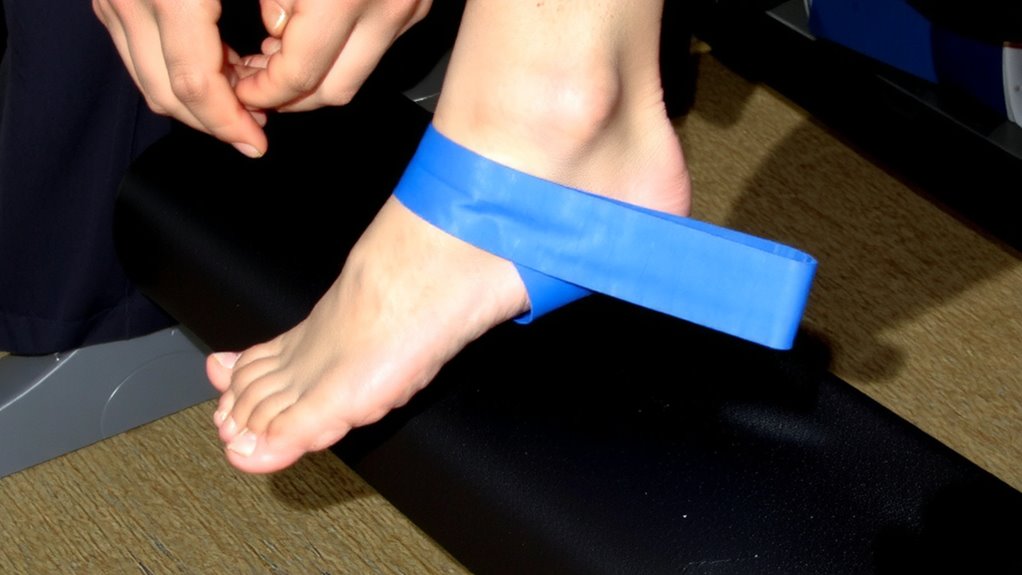
Ankle alphabet moves aren’t just for rehab-they’re a smart joint health strategy backed by biomechanical logic. You improve joint mobility by engaging the ankle through full, controlled ranges, stimulating synovial fluid circulation for natural lubrication. This motion gently challenges the capsule and surrounding tissues, encouraging healthy movement patterns. When done regularly, these exercises support ligament resilience, helping prevent stiffness and reducing the risk of sprains during everyday activity or sport. You don’t need fancy gear-just body control and consistency-but adding light resistance can enhance neuromuscular engagement. Think of it as preventive maintenance: small efforts that sustain long-term function. Unlike high-load training, this low-impact method prioritizes precision over power, making it ideal for recovery days or warm-ups. The real value lies in its simplicity and accessibility-it’s effective without overcomplication. For anyone serious about joint longevity, ankle alphabet moves earn their place in your routine.
Use the Right Band for Ankle Alphabet Mobilizations
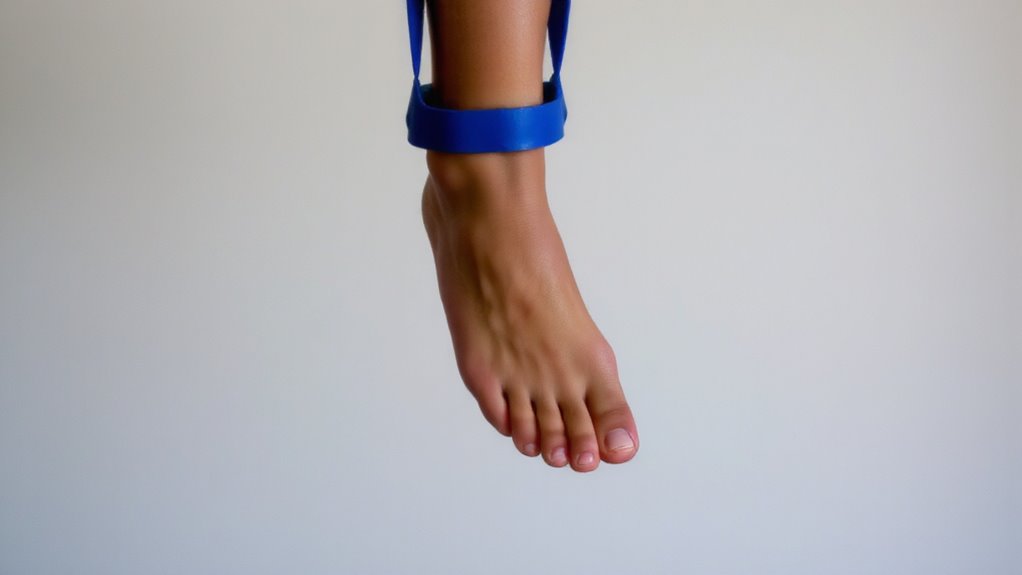
Choosing the right resistance band can make or break the effectiveness of ankle alphabet mobilizations. You need a band that offers consistent band tension without snapping back too aggressively or slipping during movement. Too much resistance strains the joint; too little won’t stimulate circulation or challenge mobility. For this exercise, light to medium bands work best-they provide enough feedback to promote joint stability while allowing full, controlled letter formation. Latex or fabric bands are ideal, offering durability and even stretch. Avoid worn or cracked bands, as compromised materials reduce tension accuracy and increase injury risk. A 12-inch looped band with secure stitching maintains proper resistance throughout each motion. When tension matches your mobility level, you enhance proprioception and joint nutrition. The right band doesn’t just assist movement-it shapes the quality of recovery, making each repetition more effective for sustained ankle health.
When to Do Ankle Alphabet Exercises
While recovery timelines and daily schedules vary, integrating ankle alphabet exercises at the right moment can substantially influence joint rehabilitation and functional mobility. The timing benefits are clear-performing these movements early in recovery helps maintain synovial fluid circulation, promoting joint nutrition and reducing stiffness. For best results, aim for consistent exercise frequency: two to three sessions daily, especially after periods of immobility or swelling. Doing them in the morning can prime the ankle for movement, while evening sessions may help alleviate day-long strain. Pairing resistance bands with alphabet mobilizations enhances proprioception and controlled range of motion, making timing even more impactful. You don’t need special equipment beyond a light to medium band, but proper anchoring guarantees smooth resistance. Whether you’re rehabbing an injury or maintaining joint health, aligning these exercises with your body’s natural rhythms improves long-term outcomes without overloading the joint.
Avoid These Common Ankle Alphabet Mistakes
Getting the most out of your resistance band session means you’ve got to steer clear of a few frequent errors that can limit gains and even slow recovery. One major issue is inadequate range-you’re not doing your joint any favors if you’re only tracing half the alphabet. Small, shallow motions restrict synovial fluid circulation, which defeats the purpose of mobilization. You need full, controlled articulation from A to Z to stimulate proper joint nutrition. Another common problem is improper anchoring. If the band slips or shifts during movement, tension becomes inconsistent, reducing effectiveness and possibly straining tendons. Secure it firmly at a neutral height, ensuring smooth resistance throughout each motion. Also, avoid yanking or jerking-smooth, deliberate control beats speed every time. Watch your form in a mirror to catch errors early. These fixes aren’t just about performance; they’re critical for long-term joint health and recovery efficiency.
On a final note
You’ll find ankle alphabet mobilizations with resistance bands effective for joint nutrition and mobility. The bands add gentle resistance, promoting synovial fluid circulation and range of motion. When done consistently, these movements support recovery and joint longevity. Choose a band with appropriate tension-too strong limits motion, too weak offers little benefit. Avoid jerky motions; control each letter. Used wisely, this method becomes a practical, low-equipment staple in fitness recovery routines.