A 15-Minute Static Stretching Routine for Full-Body Flexibility After Work
You can release workday tension with a 15-minute static stretching routine targeting stiff necks, tight shoulders, and hips locked from sitting. Gently tilt your head side-to-side for neck relief, then open your chest by clasping hands behind your back. Stretch hips with deep lunges and hamstrings through seated folds-hold each stretch 30 seconds. Follow foam rolling with static calf and hip stretches to boost flexibility. Consistency matters more than intensity. You’ll notice how small daily efforts reshape your mobility over time.
Notable Insights
- Perform side neck flexion with slight rotation, holding each side for 30 seconds to release trapezius and levator scapulae tension.
- Clasp hands behind your back and lift your chest upward to stretch the chest and improve posture after prolonged sitting.
- Execute shoulder shrugs and arm circles followed by static holds to enhance rotator cuff mobility and reduce upper back tightness.
- Stretch tight hip flexors and glutes with static holds for 30 seconds to restore range of motion and counteract sitting-related stiffness.
- Foam roll hamstrings and calves for 60 seconds, then perform seated forward fold and standing calf stretch for 30–45 seconds each.
Neck Stretches to Release Workday Tension
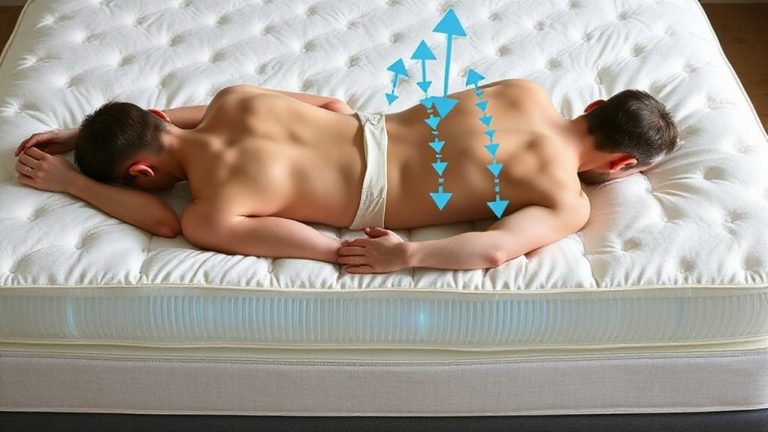
Why do your shoulders feel like concrete by mid-afternoon? Hours at a desk stiffen your trapezius and levator scapulae, limiting neck mobility and triggering tension headaches. Static neck stretches counter this by promoting muscle release, especially when held for 30 seconds. Tilt your head gently to one side, ear toward shoulder, and deepen the stretch without forcing-this targets the side flexors critical for balanced posture. Adding slight rotation improves range across multiple planes. You don’t need fitness gear; consistency matters more. Studies show daily static stretching increases flexibility over time, unlike passive recovery methods. It’s low-effort, high-yield for office workers. Over weeks, you’ll notice smoother motion and reduced stiffness. While supportive pillows or ergonomic chairs may help, nothing replaces active stretching. Done correctly, this routine enhances structural resilience, making it a non-negotiable part of fitness recovery. For added relief, consider using neck and back stretchers designed to support proper spinal alignment during stretching sessions.
Shoulder Rolls and Stretches for Instant Relief
While you’re already familiar with the creeping tightness that settles into your upper back after hours at the desk, actively addressing it with shoulder rolls and stretches delivers immediate, measurable relief. Start with slow shoulder shrugs-lifting and lowering your shoulders in controlled motion-to loosen trapezius tension and improve circulation. Follow with backward and forward arm circles, 10 to 15 reps each, to lubricate the glenohumeral joint and increase rotator cuff mobility. These dynamic primers shift smoothly into static holds, enhancing recovery when performed consistently. You’ll notice reduced stiffness and better posture within days. While fitness recovery tools like foam rollers or massage balls can help, nothing beats free movement for cost and convenience. Shoulder shrugs and arm circles require no gear, making them ideal for postwork routines. Over time, they support joint longevity and counteract the hunched positioning prolonged sitting encourages. Perform them daily for best results. For deeper stretches, consider incorporating a stretching strap to improve range of motion safely.
Open Your Chest After Sitting All Day
After releasing built-up tension in your shoulders with rolls and circles, you’re well-positioned to tackle the tightness that accumulates across your chest from prolonged sitting. Stand tall, clasp your hands behind your back, and gently draw them downward while lifting your chest upward. This movement promotes chest expansion, counteracting the forward-hunch many develop at desks. Holding this stretch for 20–30 seconds allows connective tissues to adapt, improving posture alignment over time. You’ll notice your shoulder blades drawing together, activating the upper back muscles that support spinal health. Consistent practice enhances breathing efficiency and reduces strain on the neck and shoulders. Unlike passive recovery tools, this active stretch requires no fitness gear but delivers comparable benefits in mobility and musculoskeletal balance. Integrated into a daily routine, it supports long-term posture correction and functional flexibility, making it a practical, evidence-backed addition to post-work recovery. Pairing this stretch with supportive sleep ergonomics, such as using a pillow designed for neck alignment, can further enhance postural benefits, especially when choosing the best pillows for posture.
Loosen Tight Hips From Sitting or Standing
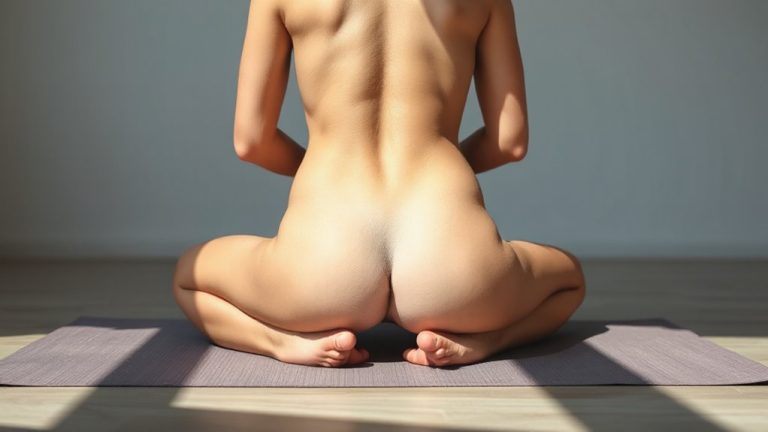
Tight hips are a common issue for people who spend long hours sitting at a desk or standing in place, and if left unaddressed, they can lead to lower back discomfort and reduced mobility. You’re likely compromising your hip alignment without realizing it, especially if your daily routine lacks movement variety. Static stretches targeting the hip flexors, glutes, and piriformis improve joint mobility by releasing chronic tension built up over hours of inactivity. Holding each stretch for 30 seconds allows the muscles to relax and lengthen, gradually restoring natural range of motion. Consistent practice not only enhances flexibility but also supports better posture and movement efficiency. While some fitness gear, like foam rollers or alignment cushions, may offer short-term relief, nothing replaces deliberate stretching. Over time, you’ll notice smoother shifts between movements and fewer aches-clear signs your hip joint is functioning more effectively.
Stretch Tight Hamstrings and Calves Fast
If you’ve been neglecting your lower posterior chain, you’re probably carrying tension in your hamstrings and calves that stiffens your stride and limits mobility. Start with foam rolling to break up adhesions and increase blood flow-this preps muscles for deeper static stretching. Roll slowly from glutes to knees and down the calves for 60 seconds each, pausing on tender spots. This step enhances dynamic mobility by restoring ideal muscle length and neuromuscular control. After foam rolling, ease into static holds like seated forward folds and standing calf stretches, holding each for 30–45 seconds. These stretches are more effective post-rolling because fascial restrictions are reduced. While foam rolling isn’t a standalone fix, it’s a valuable recovery tool when paired with consistent stretching. For long-term gains, prioritize daily self-maintenance using quality, dense foam rollers that maintain firmness over time.
15-Minute Full-Body Stretch Routine
While time constraints often derail consistent recovery work, a well-designed 10-minute full-body stretch routine can deliver meaningful improvements in flexibility and muscle relaxation when performed daily with purpose. Begin with a seated forward fold to release your hamstrings, then move into a spinal twist to enhance thoracic mobility and ease lower back tension. Include a butterfly stretch for the hips and a kneeling lunge to open the hip flexors-both essential after prolonged sitting. Finish with a shoulder cross-body reach and a gentle neck tilt. Incorporate brief balance training by holding a standing tree pose for 30 seconds per side, which enhances proprioception and complements flexibility gains. Use a nonslip yoga mat for stability and wear breathable, stretchable clothing to allow full range of motion. This efficient routine supports recovery, reduces stiffness, and pairs well with fitness gear that moves with you, promoting long-term consistency without demanding extra time.
On a final note
You’ve just completed a practical, time-efficient routine that effectively targets major muscle groups fatigued by prolonged sitting or standing. This 15-minute stretch enhances flexibility, aids recovery, and reduces stiffness-key for long-term fitness sustainability. Paired with reliable recovery gear like foam rollers or supportive mats, results improve noticeably. Consistency matters more than intensity here, making it ideal for busy schedules. This routine isn’t flashy, but its functional design delivers measurable, lasting benefits.