How Runners Can Reframe Physical Discomfort as a Sign of Growth
You’re not breaking down-you’re building up. That leg burn? It’s your muscles adapting. Heavy lungs mean your heart and lungs are getting stronger. Discomfort isn’t failure; it’s feedback. Learn to tell injury from growth-sharp pain is a red flag, but fatigue that fades is progress. Use compression gear and recovery tools to support the process. Your mind can reframe the struggle as strength. Embrace the burn, and you’ll start seeing tough runs as proof you’re getting tougher-there’s more to the story.
Notable Insights
- Leg tightness and lung heaviness signal muscle and cardiovascular adaptation, not failure.
- Discomfort from lactic acid burn indicates improved anaerobic threshold and endurance development.
- Viewing fatigue as temporary rewires the brain to accept strain as growth, not setback.
- Distinguishing soreness from injury helps runners embrace productive discomfort safely.
- Tracking mental resilience and recovery progress reveals growth beyond speed or distance.
Why Running Discomfort Means Progress

While it might feel counterintuitive, the physical discomfort you experience during running often signals that your body is adapting and growing stronger. That tightness in your calves or heavy feeling in your lungs? It’s part of muscle adaptation, where fibers rebuild denser and more resilient after stress. You’re not just pushing through pain-you’re laying the foundation for real progress. Endurance development works hand in hand with this; consistently challenging your limits trains your cardiovascular system to deliver oxygen more efficiently. Top-tier fitness recovery gear, like compression sleeves or foam rollers, supports this process by improving circulation and reducing soreness. These tools don’t eliminate discomfort-they optimize recovery so you can train smarter. High-performance fabrics in running wear also manage moisture and reduce chafing, letting you focus on effort, not irritation. Used wisely, such gear enhances adaptation without masking the signals your body needs to grow stronger. For targeted muscle release, incorporating a high-density foam roller into your routine can improve flexibility and speed up recovery.
Is This Pain Normal? How Runners Can Tell?

How do you know when that twinge in your knee is just part of the grind and when it’s a red flag? Learning to distinguish acute vs chronic pain is key. Acute pain is sharp, sudden, and often tied to a specific moment-like a tweak during a sprint. That could signal an injury vs fatigue, which usually feels like a dull, widespread soreness that fades with rest. Chronic pain lingers, worsens with time, and often alters your stride or effort. Fatigue eases after a day or two; real injury doesn’t. If discomfort persists beyond normal recovery windows, it’s not just fitness stress-it’s your body warning you. Monitoring symptoms, using quality recovery gear like compression sleeves or foam rollers, and tracking pain patterns help you make smarter, safer decisions. Listen closely: not all discomfort deserves a push. Some demand pause. Consider trying best compression sleeves to support circulation and reduce inflammation during recovery.
Retrain Your Brain to Handle Discomfort

When discomfort hits mid-stride, your brain’s reaction can make or break your run-not because the pain isn’t real, but because your perception of it shapes how you respond. You can retrain your brain to tolerate strain by leaning into the concept of mind over matter. Instead of resisting, you learn to embrace the struggle, recognizing it as a transient challenge rather than a signal to stop. Techniques like controlled breathing, positive self-talk, and focused attention shift your mental framing. Over time, this builds mental resilience, making discomfort feel less threatening. It’s not about ignoring pain or pushing through injury, but cultivating discipline that complements physical training. This mental conditioning is as trainable as endurance or pace, and essential for long-term progress. With consistent practice, you rewire your default reactions, turning instinctive retreat into purposeful persistence.
Reframe the Burn as Strength Building
That familiar burn in your legs or the sting in your lungs isn’t a sign you’re failing-it’s proof you’re pushing your body into growth territory. This discomfort signals muscle adaptation, where your fibers rebuild stronger after stress. Hitting your lactic threshold means you’re training endurance at the edge of your capacity, a key step in becoming a more resilient runner. Embrace it as feedback, not failure.
| Sensation | Meaning |
|---|---|
| Leg burn | Muscles producing energy anaerobically |
| Heavy breathing | Cardiovascular system adapting |
| Muscle fatigue | Microtears prompting repair and growth |
| Breathless moments | Approaching lactic threshold |
| Post-run soreness | Part of muscle adaptation process |
These signals reflect physiological changes-not warnings to stop. Recognizing them helps you train smarter, building strength progressively and sustainably over time.
Track Progress Beyond Pace and Distance
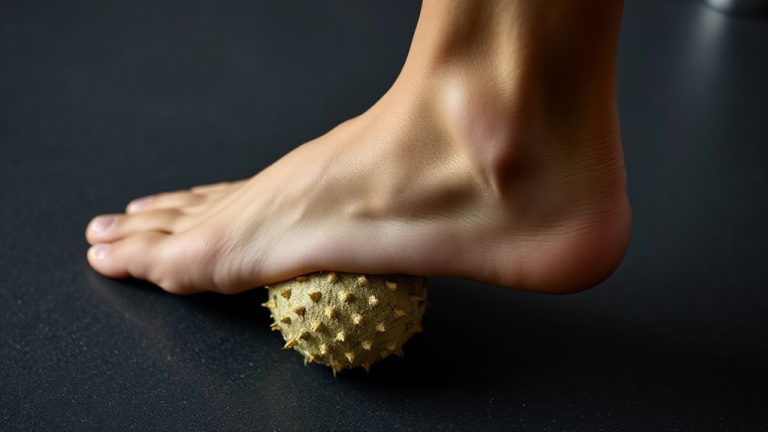
Tracking your running progress isn’t just about faster splits or longer routes-those metrics only tell part of the story. You’re also building body awareness, learning to interpret subtle signals like muscle fatigue, breathing patterns, and joint feedback. This insight helps you adjust pace, form, or recovery, preventing injury and improving efficiency over time. Likewise, emotional resilience grows with every mile you push through discomfort, doubt, or monotony. You’re not just conditioning muscles-you’re training your mind to stay calm, focused, and adaptable. Recovery tools like foam rollers, compression gear, and hydration packs support this growth, enhancing circulation and reducing soreness. But their true value shows when used consistently, not just after hard runs. Smart gear matters, but only when paired with self-knowledge and mental toughness. Progress lives in these quiet victories, too-ones GPS can’t map but your body remembers. Incorporating targeted myofascial release with the right tools can significantly improve recovery quality, making best recovery balls a valuable addition to your routine.
Turn Tough Runs Into Mental Wins
Even if your legs burn and your breath grows ragged, you’re not just surviving a tough run-you’re reshaping how your mind responds to strain. Each hard effort builds emotional resilience, teaching you to stay calm when discomfort mounts. These moments demand mindset shifts: instead of dreading fatigue, you learn to accept it as a signal of growth. Over time, your brain stops interpreting heavy breathing or sore muscles as failure and starts seeing them as signs of progress. That mental recalibration doesn’t just help during runs-it spills into daily life, improving focus and composure under pressure. Unlike fitness gear, which supports physically, these internal gains last longer and cost nothing to maintain. While compression socks or GPS watches track performance, only you can measure the quiet confidence earned mile after grueling mile. That’s the real win-not finishing fast, but finishing strong, again and again.
On a final note
You’ll still feel discomfort when running, but now you see it as a signal of adaptation, not alarm. Tracking effort over pace helps you distinguish useful strain from harmful pain. Recovery tools like foam rollers and compression gear support adaptation, but mental reframing is just as essential. Consistent use of proper footwear and moisture-wicking apparel enhances performance and reduces injury risk. These strategies, combined, turn every tough mile into measurable growth.