Implementing Breathwork and Stretching Sequences for Senior Citizens With Chronic Pain Conditions
You can ease chronic pain by integrating breathwork and stretching into your daily routine. Diaphragmatic breathing calms your nervous system, while gentle stretches improve joint mobility and reduce stiffness. Pairing each movement with coordinated breath enhances mind-body awareness and lowers pain signals. Seated or supported poses accommodate limited mobility, making consistency achievable. With mindful practice, you’ll find lasting relief-and discover even more effective strategies ahead.
Notable Insights
- Begin with diaphragmatic breathing to activate relaxation and improve oxygen flow for pain management.
- Coordinate gentle stretches with breath, exhaling during exertion to enhance joint mobility and reduce tension.
- Prioritize consistency over intensity, starting with short daily sessions tailored to individual tolerance.
- Use seated or supported positions to accommodate limited mobility and protect vulnerable joints.
- Focus on mindful awareness to recognize pain signals and respond with calming, controlled breathing.
How Breathwork and Stretching Ease Pain in Seniors
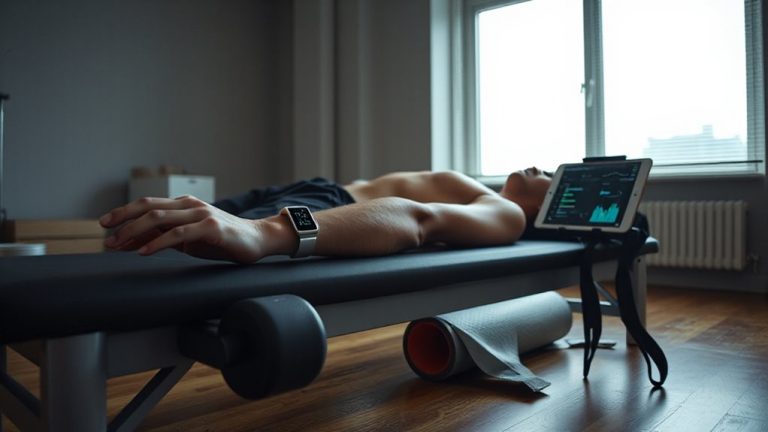
While chronic pain can make movement feel intimidating, combining breathwork and stretching often brings measurable relief for seniors, especially when tailored to individual limitations and goals. You’re not just loosening stiff muscles-these practices enhance mind body connection, helping you recognize subtle tension and respond with awareness. Controlled breathing signals your nervous system regulation, reducing fight-or-flight tendencies that amplify pain. When you stretch with intentional breath, you create a calming feedback loop that lowers cortisol and supports joint mobility. Equipment like ergonomic foam rollers or adaptive resistance bands can aid the process, but aren’t required. What matters most is consistency and alignment with your body’s signals. Over time, you’ll likely notice improved functional movement and fewer pain spikes. This isn’t a quick fix, but a sustainable method backed by physiological responses. Low-impact cardio options such as exercise machines for arthritic knees can further support joint health without exacerbating pain.
Start a Breathing Routine for Pain Relief
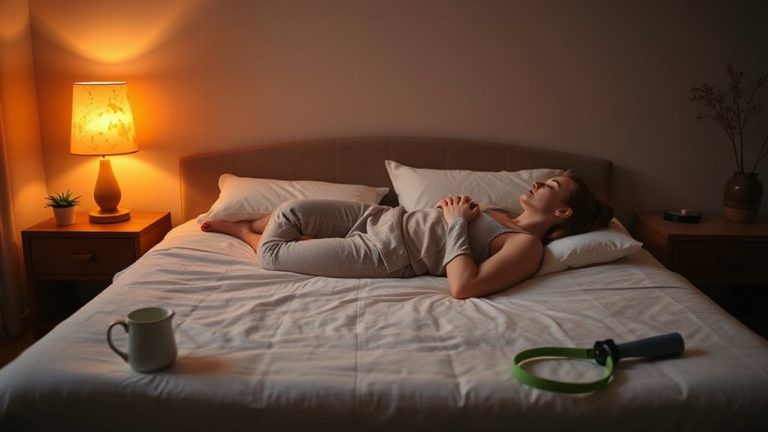
When you’re managing chronic pain, starting a breathing routine doesn’t have to be complicated-just intentional. Diaphragmatic breathing activates your body’s relaxation response, reducing muscle tension and improving oxygen flow. Pair this with mindful awareness to recognize pain signals without reacting to them harshly. Begin with five minutes daily, gradually increasing as comfort allows. Consistency matters more than duration.
| Technique | Duration | Focus Area |
|---|---|---|
| Diaphragmatic Breathing | 4 min | Belly rise/fall |
| Box Breathing | 5 min | Equal inhale/exhale |
| 4-7-8 Method | 3 min | Calming nervous system |
| Mindful Awareness | 5 min | Sensation monitoring |
| Paced Breathing | 6 min | Rhythm and control |
These methods enhance fitness recovery by regulating stress hormones. Proper breathwork doesn’t require gear-just patience and practice. Over time, you’ll notice improved pain tolerance and mental clarity.
Gentle Stretches to Reduce Stiffness and Pain
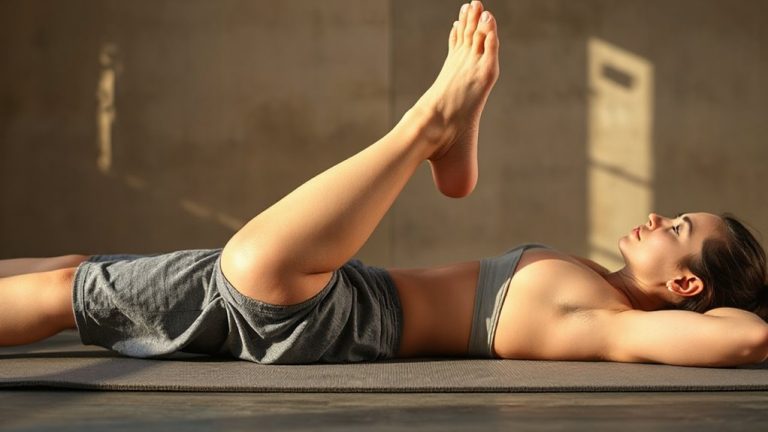
You’ve already built a foundation with breathwork, calming your nervous system and improving oxygen delivery-now it’s time to add gentle movement that complements those gains. Gentle stretches enhance joint mobility by lubricating connective tissues and reducing stiffness in frequently immobile areas like shoulders, hips, and spine. These low-impact motions promote muscle relaxation, easing tension that can worsen chronic pain. For example, seated neck tilts, shoulder rolls, and knee-to-chest movements increase range of motion without strain. When performed slowly and consistently, they support functional movement patterns essential for daily living. Unlike intense exercise, these sequences minimize tissue stress while maximizing circulation and flexibility. Practical fitness recovery tools-like resistance bands or supportive cushions-can aid alignment and comfort, but aren’t required. The goal isn’t intensity but sustainable, pain-free motion that reinforces joint mobility and muscle relaxation over time. With regular practice, you’ll likely notice smoother movement and decreased discomfort throughout your day. Incorporating supportive tools such as stretching straps can further assist in maintaining proper form and enhancing flexibility.
Combine Breathwork and Stretching to Ease Pain
Since breathwork primes the body for relaxation and increased oxygen flow, pairing it with gentle stretching creates a synergistic effect that can markedly reduce chronic pain. You’ll find that coordinating your breath with movement enhances the mind body connection, allowing you to tune into physical sensations without judgment. Inhaling deeply during preparation and exhaling through exertion promotes the relaxation response, easing muscle tension and reducing pain perception. This integration isn’t just soothing-it’s strategic. Controlled breathing lowers sympathetic nervous system activity, while deliberate stretching improves circulation and joint mobility. Together, they support sustained pain management without strain. You don’t need special fitness gear-just a quiet space and consistent practice. Over time, this combination fosters resilience, helping you manage flare-ups more effectively and maintain functional independence with greater ease.
Adapt Exercises for Arthritis and Limited Mobility
A well-designed breathwork and stretching routine can make a real difference if you’re managing arthritis or dealing with limited mobility, as it doesn’t need to involve intense effort or specialized fitness gear to be effective. You can adapt movements using joint protection strategies-like avoiding locked joints and minimizing grip strain-to reduce discomfort and prevent flare-ups. Movement modification is key; for example, seated stretches or supported standing poses let you maintain range of motion without overloading sensitive areas. Gentle inhales and extended exhales synchronize with motion, enhancing muscle relaxation and joint lubrication. Resistance bands with soft grips and non-slip mats offer practical support, but aren’t essential. What matters most is consistency and mindful execution. Simple, modified routines done regularly improve circulation and stiffness more reliably than intense, infrequent sessions. With smart adjustments, breathwork and stretching become sustainable tools-no special equipment or recovery periods required-just thoughtful, accessible movement tailored to your body’s needs.
Create a Daily Pain-Relief Routine for Seniors
Building on the idea of adapting movement for joint sensitivity and mobility limits, creating a daily pain-relief routine means shaping a practice that’s both sustainable and responsive to chronic discomfort. You’ll start with gentle breathwork, easing into 5 minutes of diaphragmatic breathing each morning to calm the nervous system. Follow with low-impact stretches-like seated spinal twists or shoulder rolls-designed to maintain joint mobility without strain. Then, spend 10 minutes in mindfulness meditation, focusing on body awareness and reducing pain-related stress. These sessions need consistency but also flexibility-adjust intensity based on your daily condition. Pair this routine with pain journaling to track flare-ups, triggers, and improvements, giving you insight into patterns over time. Quality fitness recovery wear, like compression supports, may aid comfort but aren’t replacements for movement. This combination of breath, stretch, meditation, and self-tracking offers reliable, low-cost tools you can maintain long-term.
On a final note
You’ll find that combining breathwork and stretching eases chronic pain by improving oxygen flow and joint flexibility. These practices reduce stiffness, especially when tailored to conditions like arthritis. Using supportive fitness gear-such as non-slip mats or resistance bands-enhances safety and effectiveness. Consistent daily use yields measurable improvements in mobility and comfort, making this routine a practical, low-impact recovery strategy. It’s not a cure, but it’s a proven, accessible way to manage pain and maintain functional independence.