Adapting Pilates Principles for Frail Elders Seeking Improved Core Stability and Flexibility
You can safely build core stability and flexibility through adapted Pilates, even with limited mobility. Seated exercises in a chair or wheelchair maintain spinal alignment while targeting deep stabilizers often missed in traditional workouts. By focusing on control, concentration, alignment, and breath, you reduce fall risk and protect vulnerable joints. Diaphragmatic breathing and mindful movements enhance coordination and endurance. Practical tools like resistance bands boost effectiveness-discover how to optimize each session for long-term resilience.
Notable Insights
- Seated Pilates exercises on a stable chair or wheelchair maintain spinal alignment and reduce joint stress for frail elders.
- Focus on deep core engagement through diaphragmatic breathing to enhance postural control and spinal mobility safely.
- Prioritize controlled, mindful movements over repetitions to improve neuromuscular coordination and prevent falls.
- Use supportive props like cushions and resistance bands to aid alignment and increase accessibility of exercises.
- Short daily sessions of 10–15 minutes build functional strength, balance, and flexibility without causing overexertion.
Why Core Stability Protects Frail Seniors
Core stability isn’t just about strong abs-it’s your foundation for staying upright, balanced, and functional, especially as you age. When you’re a frail senior, maintaining this stability directly supports muscle endurance, allowing you to perform daily movements without fatigue or strain. A strong core stabilizes your spine and pelvis, which in turn provides essential joint protection-reducing wear on hips, knees, and shoulders during even simple tasks. Without it, you’re more likely to experience falls or overcompensation injuries. Pilates builds this endurance gradually, targeting deep stabilizing muscles often neglected in conventional workouts. This kind of training isn’t just preventive; it’s restorative. You’re not just moving better-you’re moving safer. With consistent practice, you’ll notice improved control and resilience, making everyday activities less taxing. For frail elders, that means greater independence and reduced injury risk over time. Using supportive equipment like best Pilates boards for home workouts can enhance accessibility and effectiveness for those with limited mobility.
How to Adapt Pilates for Limited Mobility
While you may have limited mobility due to age or physical frailty, Pilates can still be accessible and effective with the right modifications. Seated modifications allow you to perform core-focused exercises safely, whether in a stable chair or wheelchair, maintaining proper alignment without strain. These adaptations support spinal awareness and muscle engagement while minimizing joint stress. Gentle shifts between movements help prevent dizziness and maintain control, essential when balance or strength is compromised. Using supportive props like cushions or resistance bands enhances stability and encourages correct form. You don’t need advanced gear-simple, non-slip mats and adjustable chairs suffice for most routines. These approaches guarantee you stay within a safe, productive range of motion. Consistency with these modified techniques improves functional strength over time, making daily activities easier. When equipment is minimal and movements are intentional, Pilates remains both practical and beneficial, even with significant physical limitations. A best home Pilates machine can offer added support and resistance for those who are able to incorporate more advanced equipment gradually.
The 4 Pilates Principles That Ensure Elder Safety
You’ve already seen how simple adjustments can make Pilates work for limited mobility, but staying safe as you move through each exercise hinges on more than just positioning. The four core principles-concentration, control, joint alignment, and muscle engagement-are essential safeguards. You must focus on precision, not repetition, ensuring each movement supports stability. Proper joint alignment prevents undue strain, especially in weight-bearing positions, while mindful muscle engagement protects fragile areas like the lower back and knees. These principles aren’t optional extras-they’re non-negotiable for frail elders. When applied consistently, they reduce injury risk and enhance neuromuscular coordination. Equipment like reformers or resistance bands can help, but only if technique comes first. Safety isn’t guaranteed by gear alone; it’s built into how you perform each motion. Master these principles, and you create a foundation not just for flexibility, but for lasting, injury-free progress.
How Breath and Posture Reduce Fall Risk
Why do some elders move with such steady confidence, even when balance falters? It’s often because they’ve mastered how breath and posture work together to enhance stability. When you coordinate deep, diaphragmatic breathing with mindful movement, you improve pelvic alignment and increase spinal mobility-both essential for reducing fall risk. Proper breath control activates your deep core muscles, which support posture and help you recover from stumbles. Over time, maintaining neutral pelvic alignment reduces strain on joints and improves coordination. Enhanced spinal mobility allows you to twist and bend safely, adapting to changes in terrain or balance. Unlike passive fitness gear, these internal techniques build real, functional control. They’re not flashy, but their impact is measurable: studies show elders using breath-supported postural training fall less. It’s not just about strength-it’s about smart neuromuscular integration that keeps you upright.
Designing a Daily Routine That Builds Real Strength
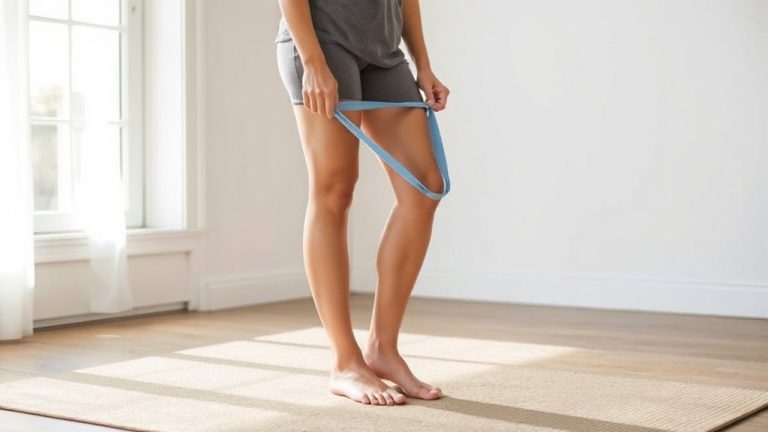
How do frail elders build functional strength without overexertion? You start with short, consistent sessions that emphasize control over intensity. Incorporate mindful shifts between movements to enhance neuromuscular coordination and reduce strain. These smooth shifts-like moving from seated to standing with support-train stability while protecting joints. Add gentle resistance using light bands or body weight to activate core muscles without fatigue. This approach builds real strength gradually, targeting deep stabilizers often weakened with age. Equipment like Pilates rings or resistance bands offers adjustable challenge and promotes proper form. Unlike bulkier fitness gear, these tools suit limited spaces and mobility levels. Daily practice, even for 10–15 minutes, yields measurable gains in endurance and balance. Recovery becomes quicker, and movement feels more secure. When combined with breath and alignment, this routine isn’t just safe-it’s effective for sustaining independence. A foldable Pilates reformer can further enhance accessibility for home-based practice.
On a final note
You’re building real strength when you adapt Pilates with care, using breath and alignment to boost core stability and flexibility safely. For frail elders, modified movements reduce fall risk while improving posture and control. This method isn’t about intensity-it’s about precision, consistency, and proper form. With routine practice, you see measurable gains in balance and functional mobility, making daily tasks easier and safer. Investing in simple, supportive gear enhances comfort and effectiveness, proving that thoughtful adaptation delivers lasting results.