How Wearable Joint Load Sensors Prevent Overloading During Recovery Phases
Wearable joint load sensors help you avoid overloading recovering joints by tracking real-time stress, pressure, and movement patterns through embedded strain gauges and accelerometers. You get instant alerts when forces exceed safe thresholds, so you can adjust your motion before injury worsens. The data syncs to an app, letting your therapist monitor joint loading between visits and fine-tune your rehab. Accurate, comfortable, and durable models make consistent tracking practical-discover how specific features match your recovery needs.
Notable Insights
- Wearable sensors detect real-time joint stress, alerting users before harmful overload occurs.
- They monitor force distribution, alignment, and movement patterns to identify risky mechanics.
- Alerts notify users when strain exceeds safe recovery thresholds, preventing re-injury.
- Continuous data sharing with therapists enables timely rehab adjustments and oversight.
- Accurate, biomechanically calibrated sensors provide actionable insights to support safe joint loading.
Why Joint Overload Derails Recovery
How often do you push through a workout, ignoring that nagging ache in your knee or hip, only to find yourself sidelined weeks later with a persistent injury? That ache is often an early warning sign-you’re likely already dealing with joint inflammation or tissue fatigue. When you overload recovering joints, you’re not building strength; you’re prolonging healing. Inflammation increases pressure within the joint capsule, limiting mobility and irritability, while fatigued tissue loses its ability to absorb impact efficiently. Without proper rest or feedback, this cycle escalates, turning minor strain into chronic dysfunction. Fitness recovery isn’t just about rest days-it’s about smart loading. Traditional gear rarely alerts you to these internal shifts, making it easy to misjudge effort. Over time, unnoticed overload compromises joint integrity, derailing rehab progress. Real recovery means respecting biological limits, not just pushing past them. Understanding this balance is critical to long-term joint health and performance consistency.
How Sensors Track Stress in Real Time
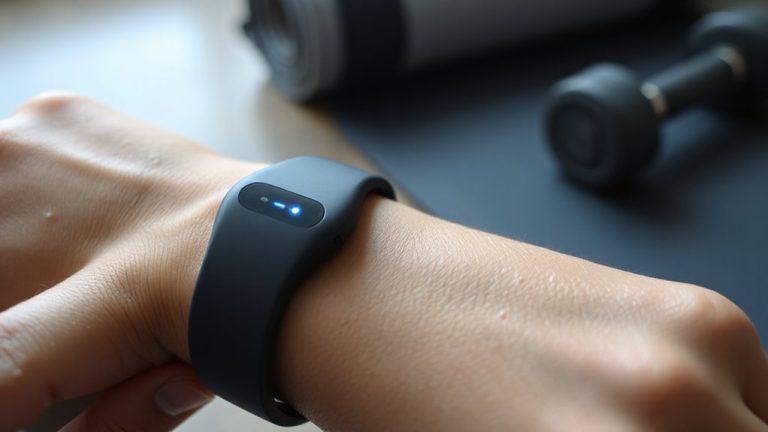
You’re no longer limited to guessing when to stop or how hard to push-modern wearable joint load sensors give you real-time feedback that aligns with your body’s actual stress levels. Embedded micro-sensors detect joint movement and pressure, measuring force distribution across key load-bearing areas like knees, hips, and ankles. This data streams instantly to an app, where you see exactly how stress is shifting during each motion. Whether you’re walking, rehabbing, or returning to training, real time feedback lets you adjust form or intensity on the fly. The sensors use strain gauges and accelerometers calibrated to human biomechanics, offering accuracy within a few percentage points of lab-grade systems. Unlike generic fitness trackers, these devices specialize in joint mechanics, giving you clinically relevant insight. You’re not just monitoring activity-you’re tracking recovery quality with precision previously only available in physical therapy clinics.
Get Alerts Before You Re-Injure
Why wait for pain to tell you something’s wrong when your body gives warning signs long before injury strikes? Wearable joint load sensors detect early warnings by monitoring stress on recovering joints during movement. These devices track force distribution, alignment, and repetition patterns in real time, alerting you when you exceed safe thresholds. That means you can adjust your form or stop a workout before damage occurs. For anyone rebuilding strength post-injury, this feedback is essential for injury prevention. Unlike basic fitness trackers, these wearables measure biomechanical load, not just steps or heart rate. Studies show they reduce re-injury rates by promoting safer movement habits. You get personalized alerts-vibrations or app notifications-when strain approaches dangerous levels. It’s like having a coach monitoring your recovery 24/7. With consistent use, you train your body to move smarter, not harder.
Sharing Data With Your Therapist
Your wearable joint load sensor doesn’t just serve as a personal alert system-it also becomes a powerful communication tool with your physical therapist. By syncing your movement data, you enable real-time therapist collaboration, letting them assess your joint loading patterns between visits. This continuous feedback loop allows for timely adjustments to your rehab plan, improving recovery precision. Most devices encrypt your information, ensuring data privacy while still offering detailed biomechanical insights. You’ll appreciate how your therapist can spot subtle overloading trends you might miss, even when you feel fine. It’s not about constant monitoring-it’s about smarter, evidence-based care. With secure sharing features, you maintain control over who accesses your data. When used consistently, this level of transparency strengthens trust and treatment accuracy. Ultimately, sharing sensor data transforms passive check-ins into active recovery partnerships, making therapy more responsive and personalized to your healing timeline.
How to Choose the Right Sensor for You
How do you know which joint load sensor truly fits your recovery needs? Start by evaluating design and functionality-look for a model that offers reliable data accuracy and seamless integration with your therapist’s platform. Battery life is critical; choose a sensor that lasts several days on a single charge so you’re not constantly recharging during essential recovery windows. A poor comfort fit can disrupt healing, causing irritation or inaccurate readings, so opt for lightweight, adjustable straps with breathable materials. Consider whether the sensor is meant for continuous wear or just during rehab exercises. Water resistance adds durability, especially if you’re active. Prioritize devices with clear feedback systems, like apps or alerts, so you can adjust movements in real time. Ultimately, the right sensor balances performance, battery life, and a comfort fit tailored to your body and routine.
On a final note
You’re tracking recovery smarter, not harder, with wearable joint load sensors. They catch excess stress before it becomes injury, giving real-time feedback that’s both precise and practical. When paired with therapy, the data streamlines rehab. These devices aren’t flashy, but their clinical value is clear-accurate load monitoring, durable wear, and actionable insights make them a sound investment for serious recovery.