Understanding the Complexities of Nerve Impingement in Athletes’ Knee Joints
You’re risking more than just soreness when nerve impingement flares in your knee-repetitive stress and sharp movements can compress delicate nerves, triggering sharp pain, tingling, or weakness that lingers. Even peak conditioning won’t always shield you from anatomical vulnerabilities. Diagnosis hinges on imaging and nerve studies, not just exams. Left unaddressed, it undermines power, stability, and reaction time. Treatment ranges from physical therapy to surgery, but smart training habits make a real difference. There’s a smarter way to protect your performance waiting to be uncovered.
Notable Insights
- Repetitive stress and sudden movements in sports can compress knee nerves, especially in those with anatomical predispositions.
- Symptoms include radiating pain, tingling, and muscle weakness that persist beyond rest and disrupt athletic function.
- Accurate diagnosis requires imaging and nerve conduction studies to locate compression and assess neurological impact.
- Nerve impingement impairs coordination, increases injury risk, and reduces performance even in highly conditioned athletes.
- Treatment ranges from physical therapy to surgery, with prevention focusing on training moderation and neuromuscular support.
What Causes Knee Nerve Impingement in Athletes?
Why do so many athletes end up with nerve impingement in the knee, despite peak physical conditioning? You’re constantly exposing your body to repetitive biomechanical stress, especially during high-impact sports that demand sudden directional changes or prolonged joint loading. This stress can inflame tissues around nerves or shift structural alignment just enough to cause compression. On top of that, anatomical variation plays a key role-some people naturally have tighter nerve pathways or irregular bone structures that predispose them to impingement. Even perfect form can’t always compensate for these inherent differences. Recovery isn’t just about rest; it’s about intelligent load management and using performance gear that supports joint stability without restricting motion. Thoughtful gear choices-like compression sleeves with targeted support-can mitigate strain, but they’re most effective when paired with biomechanical awareness and individualized training adjustments. Knee straps designed for squats can provide additional support during heavy lifting, helping to stabilize the joint and reduce the risk of overuse injuries associated with repetitive strain. Best knee straps for squats offer varying levels of compression and alignment assistance depending on the athlete’s needs.
What Does Knee Nerve Compression Feel Like?
What does nerve compression in the knee actually feel like-and how can you tell it’s not just muscle soreness or joint fatigue? You’ll likely notice sharp, shooting pains that radiate from the knee into the thigh or calf, unlike the dull ache of overworked muscles. Nerve tingling is common, often described as “pins and needles” or a buzzing sensation, especially when moving or holding certain positions. You might also experience muscle weakness, making it harder to stabilize your knee during quick directional changes-a critical concern for athletes relying on agility and power. These symptoms don’t just fade with rest; they persist and can worsen without proper intervention. Unlike typical soreness, nerve compression disrupts signal transmission, affecting coordination and strength. Recognizing these signs early allows you to adjust training loads and seek appropriate recovery strategies before performance and joint health suffer.
How Is Nerve Impingement Diagnosed in the Knee?
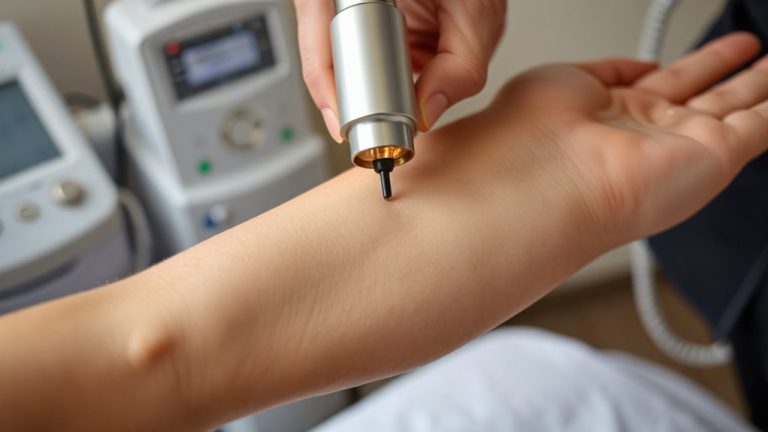
How do doctors pinpoint nerve impingement when your knee’s been acting up? They start with a detailed exam, checking your range of motion and pinpointing tenderness. If nerve compression is suspected, they’ll likely order imaging techniques like MRI or ultrasound to visualize soft tissues and spot any structural issues pressing on the nerve. These tools give a clear picture of what’s happening around your knee. They might also use nerve conduction studies to measure how well electrical signals travel through the nerves-slowed signals often confirm impingement. While imaging techniques show the “where,” nerve conduction studies reveal the “how bad.” Together, they offer a complete view, making diagnosis more accurate than physical exams alone. Though not every case needs both, combining them reduces guesswork. It’s a smart, thorough approach that helps you get the right treatment faster, keeping you closer to peak performance without unnecessary delays.
Why Nerve Pain Hurts Athletic Performance
Once doctors confirm nerve impingement using physical exams, imaging, and nerve conduction studies, the real impact on your performance becomes clear. Nerve pain disrupts信号 transmission, weakening your muscles and accelerating muscle fatigue, which diminishes strength and endurance during training or competition. You’ll notice delayed reactions and reduced coordination, especially in explosive movements like cutting or jumping. This interference often leads to joint instability, increasing your risk of further injury as your body compensates for inconsistent neuromuscular control. Altered movement patterns not only reduce efficiency but also place abnormal stress on surrounding tissues. Over time, this undermines recovery, limits peak performance, and challenges your ability to maintain consistent training loads. Even minor impingements can have cascading effects, making it harder to achieve fitness goals. Proper diagnosis and early intervention are essential to preserving both joint function and athletic output.
Non-Surgical & Surgical Treatment Options
While non-surgical approaches are typically the first line of defense, they’re not always enough to fully restore function when nerve impingement persists in your knee. Physical therapy, anti-inflammatory meds, and activity modification can help, but if symptoms linger, surgical options may be necessary. Nerve decompression surgery often provides relief by releasing pressure on the trapped nerve, improving signal flow and reducing pain. You might also need joint stabilization procedures if ligament damage contributes to the impingement. These surgeries aim to restore structural balance, preventing nerve irritation during movement. Recovery varies, but athletes who undergo these interventions often return to sport with proper rehab. While non-invasive methods should always come first, combining nerve decompression with joint stabilization when needed offers a targeted solution. It’s a practical, evidence-backed path when conservative care isn’t sufficient.
Training Habits That Prevent Knee Nerve Impingement
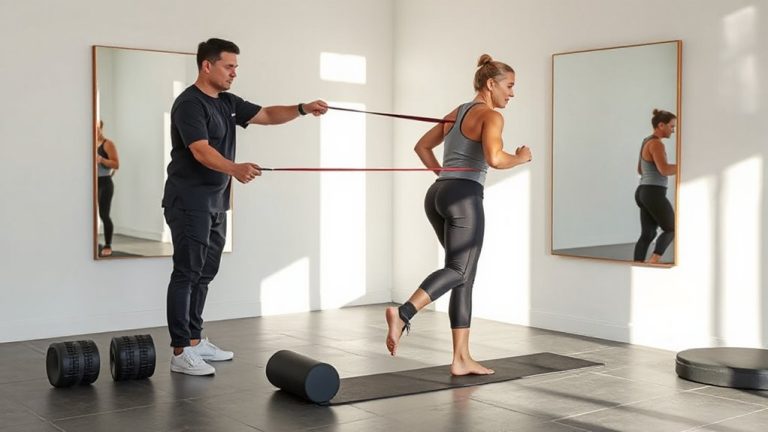
If you’re serious about maintaining long-term knee health, refining your training habits is just as critical as addressing injury after it happens. Incorporating proper hydration and balanced nutrition supports nerve function and reduces inflammation, decreasing impingement risks. You should prioritize controlled movements over heavy loads-especially in squats and lunges-to avoid compressing sensitive knee structures. Dynamic warm-ups and mobility drills prepare joints and nerves for activity, while foam rolling aids in releasing tight fascial tissues. Don’t overlook recovery; wearing compression gear post-workout may improve circulation, though evidence remains mixed. Consistency in low-impact cross-training-like swimming or cycling-reduces repetitive strain. Monitoring training volume is essential; sudden spikes in intensity often precede nerve irritation. Ultimately, a proactive approach combining smart loading, recovery strategies, and supportive lifestyle habits gives you the best defense against knee nerve impingement.
On a final note
You now see how nerve impingement affects athletes’ knees-often stemming from overuse or misalignment-and how vital early diagnosis is. Compression may dull performance, making recovery tools like neuromuscular stimulation devices and targeted braces valuable. Quality fitness recovery gear supports healing, but proper movement patterns and load management prevent recurrence. Smart training choices, paired with reliable, well-designed equipment, aren’t just helpful: they’re essential for long-term joint and nerve health.