Using Wearable Autonomic Balance Trackers to Time Parasympathetic Activation Techniques
Your wearable’s HRV data reveals whether your nervous system is primed for recovery or stress. When low HRV signals sympathetic overload, timed breathwork or a quick cold shower can trigger parasympathetic rebound. Devices with medical-grade sensors detect these shifts accurately, helping you act when it matters most. Coherent breathing or cold exposure during these windows enhances vagal tone and sleep quality. You’re not guessing-you’re responding with precision, and there’s more to optimizing recovery this way.
Notable Insights
- Wearable HRV tracking identifies autonomic shifts, enabling precise timing for parasympathetic activation techniques.
- High HRV indicates parasympathetic dominance, signaling optimal recovery windows for breathwork or relaxation.
- Low HRV and elevated heart rate suggest sympathetic overdrive, prompting timely intervention with calming techniques.
- Coherent breathing at autonomic stress peaks enhances vagal tone and restores balance efficiently.
- Cold exposure timed with low HRV triggers parasympathetic rebound, improving nervous system recalibration.
How Wearables Reveal Your Autonomic Balance
How well do you really know your body’s internal rhythm? Modern wearables give you real-time insight into your autonomic balance by tracking subtle shifts in heart rate variability (HRV). When your heart rate stays irregularly paced, it often signals parasympathetic dominance-your body’s recovery mode. But when it becomes too regular, stress levels rise, pointing to sympathetic overdrive. Devices like chest straps and smartwatches use photoplethysmography or ECG to detect these patterns, translating complex physiology into actionable data. They don’t just record heart rate; they interpret how your nervous system responds to workouts, sleep, and daily demands. While not medical-grade, consistent tracking helps identify trends, letting you adjust training or relaxation techniques. The quality of data depends on sensor accuracy and wear frequency. For fitness recovery, these tools offer a practical edge-helping you stay in tune without overcomplicating your routine.
Find Your Body’s Best Recovery Windows
Your wearable’s HRV data isn’t just a number-it’s a window into when your body is truly ready to perform or needs rest. When your heart rate variability is high, your parasympathetic system is engaged, signaling a prime recovery window. During these periods, your heart rate remains stable and muscle tension drops, indicating your body is repairing and rebalancing. Conversely, low HRV, elevated heart rate, and persistent muscle tension suggest residual stress or fatigue. Top-tier wearables detect these shifts with medical-grade sensors, letting you act on data, not guesswork. You’ll know exactly when to push through a hard session or back off for recovery. This precision beats generic rest-day schedules, aligning training with your body’s actual state. Investing in a reliable autonomic balance tracker pays off in performance gains and injury prevention. It’s not just fitness gear-it’s a recovery roadmap built on real-time physiology.
Use Breathwork When Your Nervous System Responds
Why wait for fatigue to catch up with you when you can guide your nervous system back into balance before it happens? When your wearable flags an uptick in sympathetic activity, that’s your cue-respond with intentional breathwork. A coherent breath rhythm doesn’t just calm your mind; it directly improves autonomic balance by signaling safety to your nervous response. Devices measuring HRV and respiratory sinus arrhythmia help pinpoint these moments, making breathwork timely and effective. Here’s how a 4-phase cycle aligns with your physiology:
| Phase | Seconds |
|---|---|
| Inhale | 4 |
| Hold | 2 |
| Exhale | 6 |
| Hold | 2 |
This pattern supports vagal tone, reduces stress markers, and enhances recovery efficiency. Using breath rhythm in response to real-time data transforms passive tracking into active regulation-turning insight into action the moment your nervous response shifts.
Try Cold Exposure at the Right Time
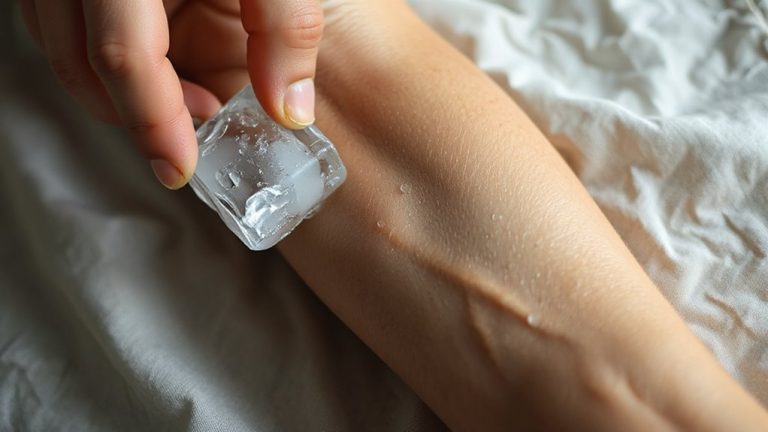
Isn’t it curious how something as simple as temperature can recalibrate your autonomic state-if timed right? When your wearable shows elevated sympathetic tone, brief cold exposure-like a 30-second cold shower-can trigger a parasympathetic rebound. You’re not just shocking the system; you’re training it. Cold adaptation builds over time, making your nervous system more responsive and recovery sharper. Studies suggest that when aligned with low heart rate variability, cold exposure helps reset autonomic balance. It’s not about endurance; it’s precision timing. Thermal resilience improves with consistency, enhancing vascular control and recovery efficiency. Devices tracking skin temperature and HRV let you identify ideal windows-too early or too late reduces benefits. Used correctly, cold exposure isn’t extreme-it’s strategic. You’ll notice better post-exercise calm and improved stress recovery. It’s one of the few recovery tools backed by both physiology and wearables data. Just don’t overdo it-effectiveness hinges on timing and moderation.
Improve Sleep With Real-Time Autonomic Feedback
How often does your body actually enter true recovery during sleep-especially when stress lingers unnoticed? Real-time autonomic feedback from wearable trackers helps you find out. By monitoring heart rate variability and sympathetic spikes, these devices identify when your nervous system is too active for deep rest. That’s key because elevated arousal disrupts sleep cycles and suppresses melatonin levels, delaying the shift into restorative phases. When you see this data nightly, you can adjust-using breathing techniques or dimming lights-to cue parasympathetic dominance. Studies show users who respond to such feedback fall asleep faster and experience more stable sleep architecture. While not all wearables deliver equally precise readings, models with FDA-cleared algorithms provide clinically relevant insights. They’re not magic, but when used consistently, they turn subjective fatigue into objective patterns. You start seeing how lifestyle choices impact recovery, allowing smarter timing of interventions. For anyone serious about fitness recovery, this tech offers a measurable edge-especially when paired with proven sleep hygiene.
On a final note
You’re getting better recovery by syncing breathwork and cold exposure to your wearable’s autonomic data, which boosts parasympathetic activation when it’s most effective. Devices tracking HRV and sympathetic tone help pinpoint ideal timing, improving sleep and performance. While not all trackers are medical-grade, consistent trends offer real insight. Used wisely, this gear supports smarter recovery-just don’t rely on it blindly. Pair tech with self-awareness for best results.