Navigating Chronic Pain Management Strategies After Major Athletic Injuries
You’re not broken-your nervous system just needs retraining. Chronic pain after a major athletic injury often stems from hypersensitivity, not ongoing tissue damage. Movement breaks pain cycles more effectively than medication, so prioritize active recovery with tools like resistance bands and foam rollers. Pair this with consistent sleep, anti-inflammatory nutrition, and breathwork to calm flare-ups. Adjust training to reframe
Notable Insights
- Chronic pain after athletic injury often stems from nervous system hypersensitivity, not ongoing tissue damage.
- Prioritize active recovery with movement therapy to retrain the brain and reduce pain cycles.
- Establish a daily routine including sleep, anti-inflammatory nutrition, and hydration for sustained healing.
- Use mind-body techniques like breathwork and guided imagery to manage flare-ups and reduce pain perception.
- Seek specialist care if pain persists or recurs despite self-management and rehabilitation efforts.
Understand Your Chronic Pain as an Athlete
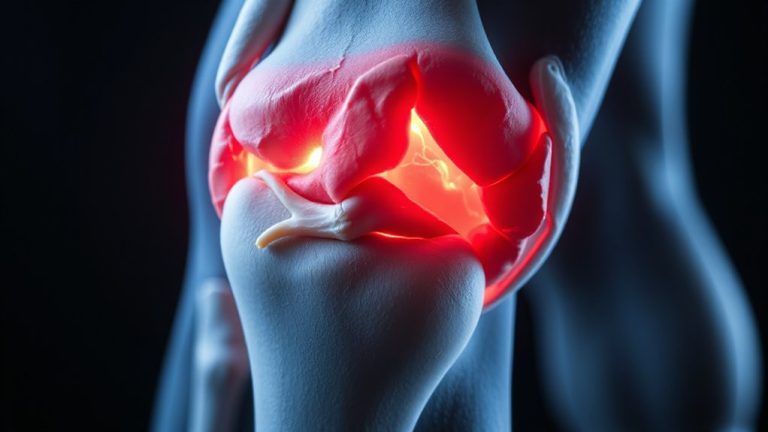
Chronic pain after an athletic injury isn’t just about lingering discomfort-it’s a sign that your body’s recovery process has hit a plateau, and ignoring it can undermine both performance and long-term joint health. You need to understand that this pain isn’t always due to tissue damage; instead, your nervous system may have become hypersensitive, amplifying pain perception long after healing should’ve completed. This means your brain keeps receiving “danger” signals even when there’s no ongoing injury. As an athlete, recognizing this shift is critical-it affects training, recovery strategies, and gear choices. Equipment designed for support and biofeedback can help retrain movement patterns and reduce strain. But without addressing how your nervous system interprets discomfort, even the best fitness recovery tools may fall short. True progress means treating pain as a complex signal, not just a symptom-adjusting both mindset and method to support sustainable return to form. Top-rated recovery tools can make a meaningful difference when integrated into a comprehensive pain management plan.
Move More, Rely Less on Pain Medication
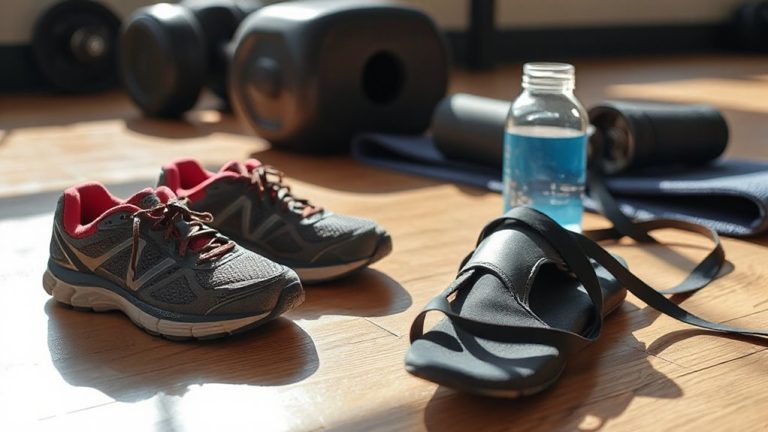
Movement is your most powerful tool for breaking the cycle of chronic pain, and relying too heavily on medication can actually slow your recovery. You’re better off embracing active recovery, which keeps blood flowing, reduces stiffness, and supports tissue repair without overloading your system. Unlike passive treatments, movement therapy-like guided mobility drills or low-impact strength work-retrains your nervous system to interpret motion as safe, not threatening. That shift is key for long-term pain reduction. Medications may dull symptoms, but they don’t address dysfunction. Over time, you risk dependency and decreased physical resilience. Equipment like resistance bands, foam rollers, or even structured rehab machines can enhance movement therapy, but they’re most effective when used purposefully, not as shortcuts. You need consistency, not gadgets. Relying on motion-not pills-builds sustainable strength, improves joint function, and restores confidence in your body’s ability to heal. Using targeted tools such as best recovery balls for muscle relief can further enhance soft tissue recovery and help release deep muscle tension.
Create a Daily Routine That Supports Healing
While recovery timelines vary, sticking to a structured daily routine gives you the best shot at lasting healing, especially when it’s built around consistency and progressive adaptation. You need predictable sleep hygiene-aim for 7–9 hours nightly, same bedtime, minimal screen exposure-to help your nervous system regulate pain. Pair that with nutrition balance: prioritize anti-inflammatory foods like leafy greens, lean proteins, and omega-3s while minimizing processed sugars. Hydration and frequent small meals keep energy steady and support tissue repair. Schedule movement gently but regularly, aligning it with your rehab goals. Using recovery gear like compression boots or foam rollers adds value but only if integrated into your routine without disrupting consistency. The real benefit isn’t in any single tool, but in the reliability of your day-to-day. Poor habits in sleep or diet undermine even the most advanced recovery tech. For targeted myofascial release, incorporating the right best foam rollers can enhance recovery when matched to your body’s needs and tolerance.
Use Mind-Body Techniques to Control Flare-Ups
You’ve built a stable routine-consistent sleep, smart nutrition, regular movement-and that foundation does a lot to minimize daily discomfort, but flare-ups still happen, often when stress or overuse tips your nervous system into high alert. That’s when mind-body techniques become essential tools. Breathwork techniques, like diaphragmatic breathing or box breathing, calm your autonomic nervous system, reducing muscle tension and pain perception within minutes. When practiced regularly, they improve your resilience to physical and emotional triggers. Guided imagery-visualizing peaceful scenes or healed tissue-helps reframe your pain response by engaging the brain’s sensory networks. It’s not about dismissing discomfort but redirecting focus to promote control and relaxation. Combining both methods gives you a portable, drug-free strategy that fits into recovery routines. They don’t replace physical therapy, but they do enhance self-regulation, making flare-ups less frequent and intense over time.
Know When to See a Chronic Pain Specialist
If your pain persists beyond the expected healing period or keeps coming back despite consistent self-care and rehabilitation, it might be time to consult a chronic pain specialist. You’ve likely tried rest, modified training, and mind-body strategies, but when discomfort exceeds normal pain thresholds and disrupts daily function, specialist referrals become essential. Chronic pain isn’t just prolonged soreness-it often involves complex neurological changes that general practitioners may not fully address. A pain specialist evaluates underlying mechanisms like nerve sensitivity or inflammation and tailors interventions, from targeted medications to advanced therapies. They also coordinate with physical therapists and psychologists to support recovery. Ignoring persistent signals can worsen outcomes, so timely referrals improve long-term management. Recognizing when self-management isn’t enough isn’t a setback-it’s a smart, evidence-based step toward sustainable healing and performance.
Adjust Training to Manage Pain and Prevent Re-Injury
Because your body’s response to injury changes how it handles stress, adjusting your training isn’t just about reducing volume or intensity-it’s about reengineering your approach to movement. You’ll need cross training modifications that maintain fitness while minimizing strain on healing tissues. Cycling might replace running, or swimming could substitute impact-heavy drills. These shifts aren’t setbacks-they’re strategic choices. Injury specific adaptations, like altered squat depth or reduced range in overhead lifts, protect vulnerable areas without sacrificing strength gains. Smart gear-such as joint sleeves or supportive braces-can aid form and confidence, but shouldn’t replace proper technique. Monitoring pain responses during and after sessions helps fine-tune adjustments. Over time, these measured changes build resilience. When implemented consistently, cross training modifications and injury specific adaptations reduce re-injury risk while keeping you engaged in your fitness journey.
On a final note
You’ve learned to understand your chronic pain, shift reliance from medication to movement, and build a daily routine that supports long-term healing. Mind-body techniques help manage flare-ups, while smart training adjustments reduce re-injury risk. Seeing a specialist when needed guarantees targeted care. Recovery isn’t just physical-it’s strategic. Effective fitness gear, like supportive braces or recovery-focused wearables, enhances performance and safety, making recovery measurable, manageable, and sustainable over time.