Why Resting Is Critical Post-Injury: Lessons From Elite Athletes’ Recovery Journeys
Rest isn’t lazy-it’s how your body repairs tissues, controls inflammation, and regenerates muscles, tendons, and ligaments. Elite athletes don’t rush back; they use rest to maximize healing, knowing premature action risks re-injury and undermines even the best fitness gear. Active recovery, sleep, and smart routines boost blood flow and tissue repair. They track readiness with data, not feelings. You’ll see how to apply their exact strategies to recover stronger and smarter.
Notable Insights
- Rest enables tissue regeneration in muscles, tendons, and ligaments, which is essential for full recovery after injury.
- Elite athletes prioritize sleep and recovery routines to optimize healing, recognizing rest as a strategic performance tool.
- Returning too soon risks re-injury, especially in tendons and ligaments that heal slower than muscles.
- Active rest, like swimming or cycling, maintains circulation and fitness without stressing injured tissues.
- Objective recovery markers, not pain levels, guide elite athletes’ return-to-play decisions to ensure full healing.
Why Rest Is Essential for Healing
While pushing through pain might seem like a sign of toughness, giving your body time to rest after an injury is actually the smarter move when it comes to long-term recovery and performance. You need rest to properly manage inflammation control, which reduces swelling and prevents further damage. Without it, healing slows and risks worsen. Rest also supports tissue regeneration, allowing muscles, tendons, and ligaments to rebuild stronger. Athletes know this balance well-skipping downtime often leads to re-injury, even with top-tier fitness gear. Compression sleeves or smart monitors help track progress, but they don’t replace rest. Recovery isn’t passive; it’s a strategic phase where your body repairs itself most efficiently. Ignoring it undermines even the most advanced recovery tools. So when injured, prioritize rest as essential training. It’s not laziness-it’s how elite performers stay ahead. Smart recovery combines rest, timing, and tech wisely.
How Your Body Repairs Itself During Rest
Your body doesn’t just sit idle when you rest-it’s busy rebuilding. While you’re off your feet, cellular repair kicks into high gear, driving tissue regeneration that restores damaged muscles, tendons, and ligaments. This process relies heavily on quality rest, as sleep and inactivity boost blood flow to injured areas, delivering oxygen and nutrients essential for healing. Rest also enhances inflammation control, preventing excessive swelling that can delay recovery. Without it, your body can’t properly regulate immune responses, risking chronic irritation. Elite athletes monitor this closely, using recovery gear like compression sleeves and foam rollers not as shortcuts, but to support-not replace-natural repair during downtime. These tools help manage symptoms, but true healing happens only when you’re still. Rest isn’t passive-it’s the foundation of recovery. A key tool in enhancing circulation during rest is wearing the best recovery sleeves for optimal performance.
Why Returning Too Fast Backfires
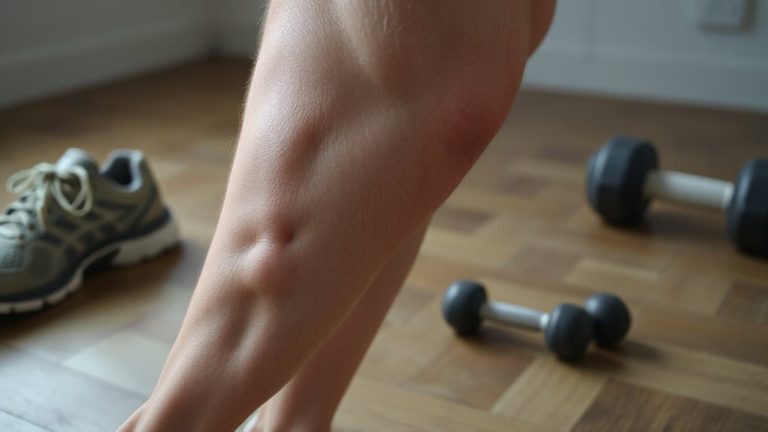
Even when you feel ready, pushing back into training too soon can undo weeks of healing. Your tissues might seem recovered, but they’re often still regaining strength, making you vulnerable. Returning early spikes your re injury risk, especially in ligaments and tendons that heal slower than muscles. Elite athletes know this-they don’t rely on how they feel but on objective markers like strength tests and load tolerance. Without adequate rest, you’re not just risking setbacks-you’re inviting performance decline. Your coordination, power output, and endurance suffer when your body’s still repairing. It’s not just about time; it’s about quality recovery. Rushing back cheats the process, undermining even the best fitness gear or training plans. Smart recovery isn’t passive-it’s strategic. And skipping it? That’s a shortcut that costs more in the long run.
Active Rest: Using Therapy to Heal Faster
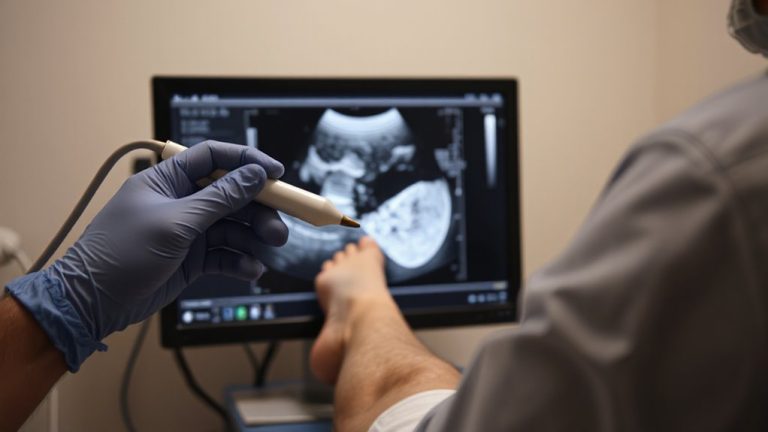
Though healing isn’t just about staying off your feet, staying smart with movement can actually speed up recovery when done right. Active rest-like low-impact therapy sessions, swimming, or cycling-keeps blood flowing without stressing injured tissues. You’re not just waiting to heal; you’re guiding the process. Physical therapists often use targeted exercises to maintain strength and flexibility, ensuring you don’t lose progress. The cross training benefits go beyond the body, too-consistent, safe motion supports mental health support by reducing anxiety and boosting mood during downtime. Unlike passive rest, active recovery fosters discipline without risk. Modalities like ultrasound or electrical stimulation, paired with guided mobility work, optimize tissue repair. You’ll regain function faster, with fewer setbacks. It’s not about pushing through pain, but working wisely-using therapy as a tool, not a test. This approach turns healing into a structured, constructive phase. Top recovery tools can enhance this process by supporting mobility and reducing inflammation between therapy sessions. Top recovery tools are often recommended by professionals to maintain progress at home.
Recovery Habits of Top Athletes
Top athletes don’t just train harder-they recover smarter, building routines that treat rest as a performance variable, not an afterthought. You prioritize sleep optimization because quality rest rebuilds muscle, sharpens focus, and balances hormones critical for healing. Most pros aim for 8–10 hours nightly, using tools like blackout curtains, sleep trackers, and consistent bedtimes to maximize deep sleep cycles. Recovery isn’t passive; it’s daily maintenance. You use foam rollers, compression gear, and cold therapy not just for soreness, but for injury prevention, catching imbalances before they become setbacks. Mobility work and hydration are non-negotiables, supported by data from wearables that track HRV and fatigue levels. Smart recovery means listening to your body with precision, using fitness gear that offers real-time feedback. These habits aren’t luxuries-they’re the foundation of longevity, allowing sustained peak performance while minimizing breakdowns. You don’t bounce back faster by chance; you engineer it. For optimal results, choose a high-density best foam rollers model designed to target muscle tightness effectively.
How to Apply Pro Recovery Strategies
Since recovery is just as critical as training, you’ll want to integrate pro-level strategies in ways that fit your lifestyle and physical demands. Key tactics like nutrition timing and mental resilience can dramatically influence healing. Below is a practical breakdown of implementable habits:
| Strategy | Application Example |
|---|---|
| Nutrition Timing | Consume protein within 30 minutes post-therapy |
| Mental Resilience | Practice daily mindfulness or visualization |
| Sleep Hygiene | Maintain consistent sleep and wake times |
| Active Recovery | Use light walks or foam rolling daily |
| Recovery Gear Use | Wear compression sleeves during rest hours |
Pairing recovery gear-like compression devices or sleep trackers-with consistency amplifies results. Nutrition timing fuels tissue repair, while mental resilience reduces perceived pain and improves adherence. You don’t need elite resources, just disciplined application. Smart recovery isn’t passive-it’s purposeful, structured rest that prepares your body for long-term resilience.
On a final note
You need rest to heal properly-skipping it risks re-injury and slows recovery. During downtime, your body rebuilds tissue, reduces inflammation, and strengthens healing cells. Active rest, like light therapy or mobility work, supports progress without strain. Elite athletes prioritize sleep, nutrition, and monitored rehab, not just gear. Top-tier recovery tools help, but only when used wisely. Smart recovery beats rushed comebacks every time.