Identifying Early Signs of Overuse Injuries to Prevent Long-term Damage
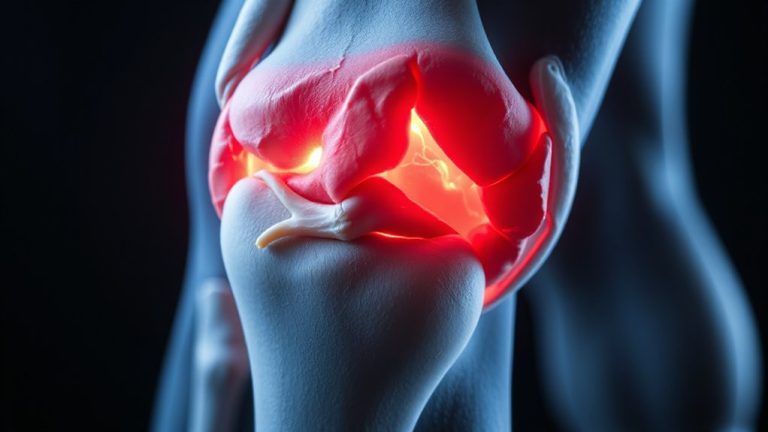
You might notice persistent joint stiffness, localized tenderness, or recurring pain during and after activity-early red flags of overuse. Unlike sudden injuries, discomfort builds gradually from mild soreness to lasting ache, especially in high-impact routines like running or cycling. Rest, activity rotation, and proper recovery matter more than compression gear alone. Ignoring these signals risks long-term damage, so act early-there’s more to learn about protecting your progress and staying active safely.
Notable Insights
- Persistent pain during or after activity may signal early overuse injury and should not be ignored.
- Gradual onset of discomfort, from mild soreness to worsening ache, often indicates accumulating tissue stress.
- Joint stiffness, localized tenderness, or decreased performance can precede more serious overuse damage.
- Repeating high-impact or unidirectional movements without rest increases microtrauma and injury risk.
- Early use of rest, activity modification, and recovery strategies can prevent progression to chronic injury.
Spot the Warning Signs of Overuse Injuries
How often do you push through that nagging ache, telling yourself it’s just part of getting stronger? You’re not alone-but ignoring early symptoms can lead to serious overuse injuries. Pay attention when discomfort shows up repeatedly during or after activity; these consistent pain patterns are red flags. Unlike acute injuries, overuse problems build gradually, often starting as mild soreness that worsens without rest. You might notice stiffness in joints, localized tenderness, or reduced performance-signs your body needs recovery. High-quality fitness recovery gear, like compression sleeves or foam rollers, can help manage symptoms, but it’s not a fix-all. Such tools work best when used early and correctly. Monitoring how and when pain occurs lets you adjust training before damage deepens. Recognizing early symptoms isn’t weakness-it’s smart, sustainable training. Stay ahead by listening closely to your body’s signals. For targeted support during recovery, consider trying a pair of best leg compression sleeves.
Avoid These High-Risk Activities for Overuse Injuries
While strength and endurance gains often come from pushing your limits, repeating high-impact or highly repetitive movements without adequate variation or recovery increases your risk of overuse injuries. High impact sports like running, basketball, and plyometrics place consistent stress on joints and tendons, especially when done daily without load management. You’re also pushing your body too hard if you’re stuck in cycles of repetitive motions-think long-distance cycling, swimming laps, or frequent heavy lifting with poor form. These activities amplify microtrauma in muscles and connective tissues over time. Even advanced fitness gear, like cushioned shoes or joint supports, can’t fully offset the damage if movement patterns aren’t modified. You need variety in training to reduce strain on specific areas. Swapping intense sessions with low-impact alternatives helps maintain performance while lowering injury risk. Avoid over-relying on equipment alone-smart programming is your best defense against harm.
Pause to Prevent Overuse Injury Progression
Why keep pushing when your body’s already sending warnings? Ignoring early pain or fatigue can escalate minor strain into serious overuse injuries. You need rest periods-real breaks that let tissues recover and inflammation subside. Without them, even high-quality fitness gear can’t protect you from harm. Smart activity rotation helps, too: switching between movement types reduces repetitive stress while maintaining overall training volume. Think of it as strategic variety-swapping running for swimming, or weightlifting for yoga. That way, you stay active without overloading the same muscles and joints daily. Recovery isn’t downtime; it’s part of performance. Top-tier gear supports this process, but it’s no substitute for listening to your body. Pause when things feel off. Use rest periods and activity rotation not as backup plans but as essential tools. They’re proven, practical, and critical for preventing long-term damage while keeping your fitness sustainable. Incorporating Top Recovery Tools can further enhance tissue repair and speed up the recovery process.
Use Proven Ways to Prevent Overuse Injuries
Taking breaks and varying your workouts sets the foundation, but building real resilience means using proven ways to prevent overuse injuries before they start. You’re not just training hard-you’re training smart. Proper hydration supports joint lubrication and muscle function, reducing strain during repetitive movements. Without it, even top-tier gear like compression sleeves or supportive footwear can’t compensate for internal deficits. Pair that with balanced nutrition rich in protein, healthy fats, and micronutrients to repair tissue and maintain energy. Recovery isn’t passive; it’s an active process where sleep, diet, and gear intersect. Compression gear may enhance circulation, but it works best when your body’s systems are fueled correctly. Don’t rely solely on recovery tools-anchor them in physiology. Thoughtful preparation beats reactive fixes every time. You’ve got to support your body from the inside out, because no gadget replaces the basics done right.
When to See a Doctor for Overuse Injuries
How long should you wait before seeing a doctor for that nagging shoulder pain or persistent knee ache? Don’t wait weeks hoping it’ll pass-especially if pain disrupts sleep or daily activity. You’re better off getting checked early, because delaying can turn a minor strain into chronic damage. If discomfort lingers beyond two weeks despite rest and self-care, it’s time to consult a professional. Your doctor might recommend medical imaging, like an MRI or ultrasound, to pinpoint soft tissue damage that X-rays can’t show. Depending on the diagnosis, you could receive a specialist referral to a sports medicine physician or physical therapist. They’ll tailor recovery strategies and adjust training to prevent recurrence. Smart fitness recovery isn’t just about rest-it’s about accurate diagnosis and targeted intervention. Using the right gear helps, but it can’t replace expert evaluation when something’s truly wrong.
On a final note
You can prevent overuse injuries by recognizing early symptoms like persistent soreness or joint tenderness. Pushing through pain worsens damage, so rest is vital. Supportive footwear and well-designed recovery tools-like foam rollers or compression gear-help maintain performance and reduce strain. These aid circulation and tissue repair when used consistently. Smart training adjustments and quality fitness gear don’t just enhance recovery-they’re essential for long-term resilience and sustaining active lifestyles effectively.