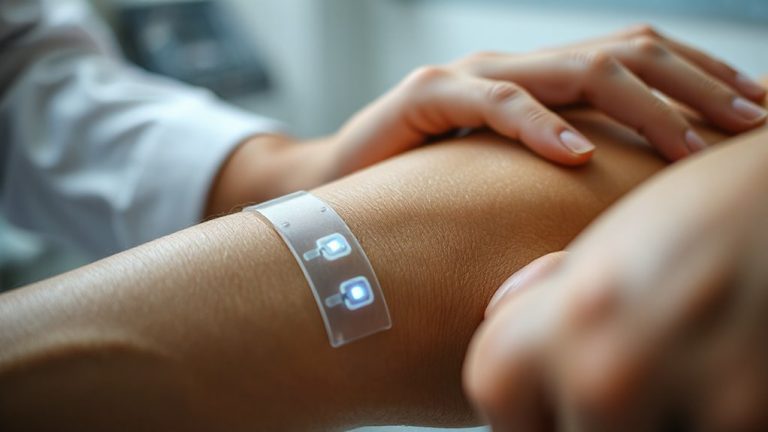
How Biometric Feedback From Recovery Wearables Predicts Overtraining Risk
You’re pushing hard, but without recovery wearables, you might miss early signs of overtraining. These devices track biometrics like HRV, resting heart rate, and sleep quality, spotting subtle shifts before you feel them. A dropping HRV or rising RHR suggests nervous system strain, while disrupted sleep and muscle tension hint at incomplete recovery. Combined with neural and muscle fatigue data, wearables use algorithms to flag risk before performance dips-giving you a clearer, science-backed signal to push or pause. There’s more to how this data shapes smarter training.
Notable Insights
- Recovery wearables detect overtraining risk by monitoring HRV trends, which reflect autonomic nervous system imbalance and incomplete recovery.
- Persistent muscle fatigue, neural fatigue, and elevated resting muscle tension indicate physiological strain before performance declines occur.
- Machine learning in wearables identifies individual biometric thresholds, flagging deviations linked to overtraining onset.
- Disrupted sleep architecture and rising resting heart rate provide early signals of accumulated fatigue and stress overload.
- Integrated biometric data guides timely training adjustments, preventing overtraining by aligning load with recovery capacity.
What Overtraining Looks Like: And Why You Miss It
How do you know when hard work stops being heroic and starts becoming harmful? You push through because you believe more effort equals better results, but that’s when overtraining sneaks in. You’re not weak-you’re worn down, and mental fatigue clouds your judgment. You stop noticing the signs: restless sleep, irritability, a lack of motivation even when goals are close. Your workouts feel heavier, not because the weights changed, but because your nervous system is drained. Performance plateaus aren’t just stalled progress-they’re red flags. You might blame gear or technique, but the real issue is recovery. Fitness trackers might show heart rate trends, but without understanding your body’s signals, you miss the deeper decline. Overtraining doesn’t announce itself. It erodes consistency slowly, making you think you’re committed when you’re actually compromised.
How Recovery Wearables Detect It Early
While your body struggles to keep up, recovery wearables step in with more than just data-they offer insight. These devices continuously track key biometrics, flagging subtle changes long before symptoms appear. By analyzing trends against established biometric thresholds, they detect deviations that suggest recovery isn’t keeping pace with stress. It’s not just about raw numbers-algorithm accuracy determines how well the wearable distinguishes normal variation from early warning signs. Devices using machine learning adapt to your unique physiology, improving precision over time. Unlike generic fitness trackers, advanced recovery models prioritize consistency and context, combining resting heart rate, HRV, and sleep quality in meaningful ways. While no tool is infallible, high algorithm accuracy increases confidence in the alerts. When biometric thresholds are repeatedly breached, the system prompts rest or adjusted training-helping you avoid overtraining before performance drops or injury strikes.
The 3 Biometrics That Flag Overtraining Risk
Your wearable already tracks more than you might realize, and when it comes to spotting overtraining, three biometrics stand out as the most reliable indicators. First, muscle fatigue levels reveal how strained your physical recovery capacity is, often showing up as prolonged soreness or reduced strength output. Second, neural fatigue-measured through reaction times and movement precision-signals when your central nervous system is overwhelmed, impairing coordination and focus. Third, resting muscle tension, detected via electromyography in advanced wearables, highlights involuntary contractions that suggest incomplete recovery. Together, these metrics offer a clearer picture than performance data alone. While no single reading is definitive, persistent shifts in all three strongly suggest overtraining risk. They’re especially useful when training loads increase, helping you adjust before burnout. Reliable, continuous monitoring makes these biometrics practical for serious athletes and everyday users alike.
What Your HRV, Sleep, and RHR Are Telling You
Because your body’s recovery status isn’t always obvious from how you feel, tracking HRV, sleep quality, and resting heart rate gives you a more objective window into your physiological state. These metrics reveal subtle shifts-like poor breath symmetry or increased muscle oscillation during recovery-that suggest your nervous system is under strain. Your HRV trends reflect autonomic balance; lower values often mean incomplete recovery. Disrupted sleep architecture and elevated RHR further signal accumulating fatigue, even if you feel fine.
| Metric | Balanced State | Warning Sign |
|---|---|---|
| HRV | High & stable | Dropping trend |
| Sleep Quality | Deep, uninterrupted | Frequent awakenings |
| RHR | Low & consistent | Unexplained rise |
Wearables capturing breath symmetry and muscle oscillation add nuance, helping you detect strain before performance dips. Relying on data beats guessing-your body’s whispering clues before it shouts.
When to Train Harder: And When to Rest?
How do you know when pushing through fatigue will pay off versus land you in overtraining territory? Your biometric data holds the answer. When your HRV is stable and resting heart rate stays low, it’s a green light-ramp up training intensity safely. But if metrics shift-HRV drops, RHR climbs-you’re skirting recovery timing limits. That’s the signal to back off. Wearables don’t judge effort; they reflect physiological truth. Smart training isn’t about constant grind-it’s strategic variation. Pushing hard when recovered boosts adaptation. Pushing when drained undermines progress. Recovery timing isn’t passive; it’s part of the plan. Think of rest as training for resilience. The best athletes aren’t the toughest; they’re the most responsive. Trust the data. Adjust training intensity accordingly. Let recovery timing guide your effort. Overtraining isn’t a badge-it’s a setback you can now see coming.
On a final note
You’re already tracking your workouts, but recovery wearables give you something more valuable: early warnings. By monitoring HRV, sleep quality, and resting heart rate, these devices spot subtle signs of overtraining before performance drops. They’re not perfect-accuracy varies by model-but when combined with how you feel, the data becomes powerful. Used wisely, this gear helps you train smarter, not just harder, making recovery measurable and manageable.