How Proper Hydration Techniques Can Help Prevent Exercise-Induced Muscle Cramps
You lose fluids and electrolytes when you sweat, which can disrupt muscle function and trigger cramps. Drinking water with a pinch of salt before exercise helps maintain hydration and nerve signaling. Sipping electrolyte-rich fluids every 15 minutes supports consistent performance and prevents sodium and potassium imbalances. After your workout, replenishing lost minerals aids recovery and reduces future cramp risk. Proper hydration isn’t just about water-it’s strategic electrolyte management that keeps muscles working smoothly. There’s more to optimizing your routine than you might think.
Notable Insights
- Dehydration disrupts muscle function by impairing electrical signals, increasing cramp risk during intense or hot-condition exercise.
- Electrolyte imbalances, especially low sodium and potassium, cause erratic nerve firing and involuntary muscle contractions.
- Pre-workout sodium intake helps maintain fluid balance and reduces cramping risk even with adequate water consumption.
- Sipping electrolyte-rich fluids every 15 minutes during exercise prevents depletion and supports steady nerve and muscle function.
- Replenishing sodium, potassium, and magnesium within 30 minutes post-exercise enhances recovery and long-term cramp prevention.
How Dehydration Causes Muscle Cramps
Dehydration plays a key role in triggering muscle cramps, and it’s something you’ve probably experienced without fully understanding why. When you lose too much fluid through sweat, your body struggles to maintain normal muscle function, increasing the risk of both muscle fatigue and nerve dysfunction. Without adequate hydration, electrolyte concentrations shift, impairing the electrical signals that control contractions. This imbalance makes your muscles more excitable and prone to involuntary spasms. You may notice cramps most during intense workouts or in hot conditions, especially if you’re relying on basic fitness gear that doesn’t support thermoregulation. Hydration aids like smart water bottles or electrolyte-tracking apps can improve recovery by ensuring consistent intake. While gear helps monitor your habits, it’s proper fluid balance that ultimately prevents dysfunction. Staying hydrated isn’t just about comfort-it’s a physiological necessity for muscle control and long-term performance.
Low Sodium and Potassium Trigger Cramps
Why do those sudden, sharp cramps strike when you’re pushing through a tough workout? It’s often because low sodium and potassium disrupt your body’s electrolyte balance. These minerals are essential for proper nerve signaling-without enough, your muscles can’t respond efficiently. An electrolyte imbalance means your nerves may fire erratically, causing involuntary contractions or cramps. Sodium helps regulate fluid levels and supports impulse transmission, while potassium aids muscle relaxation after contraction. When you sweat heavily, you lose both, weakening performance and recovery. Fitness trackers that monitor hydration trends can help you catch early signs, but they’re only effective if you act. Don’t wait for cramps to react-maintaining consistent electrolyte levels is smarter than fixing problems mid-effort. Gear like smart bottles with intake reminders supports this, but accurate dosing matters more than gadgets alone.
Drink Water With Salt Before Workouts
While you might focus on fueling your muscles with carbs or protein before hitting the gym, proper electrolyte preparation-especially with sodium-can be just as critical. Adding a pinch of salt to your water before exercise supports pre workout nutrition by maintaining fluid balance and nerve function. Sodium helps your body retain hydration longer, which is essential during intense sessions. Without it, you’re more prone to cramps, even if you’re drinking plenty of water. Think of salt as a silent partner in boosting muscle endurance-studies show athletes who consume sodium pre-exercise report less fatigue and fewer cramps. It’s not about loading up on salt, but timing it right. A small amount-like 1/4 to 1/2 teaspoon in 16 oz of water-about 30 minutes before training-can make a measurable difference in performance and cramp prevention.
Sip Electrolyte Fluids Every 15 Minutes
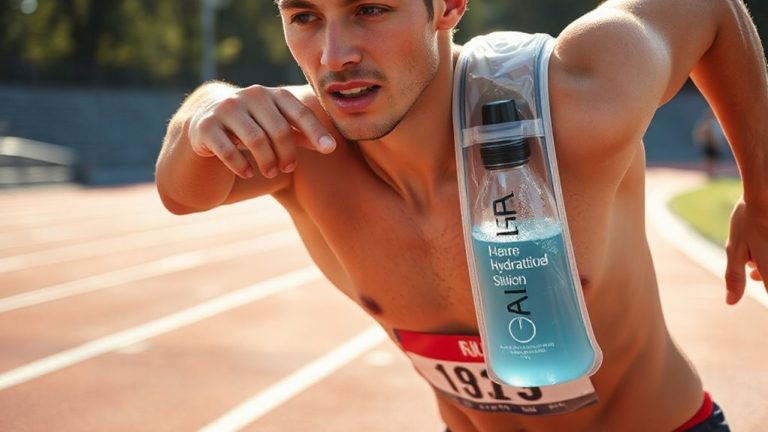
Often, staying ahead of cramps means keeping your electrolyte levels steady throughout your workout, not just before it. That’s where sipping electrolyte fluids every 15 minutes comes in-it helps maintain fluid balance and supports essential muscle function. You lose sodium, potassium, and magnesium through sweat, and waiting until you’re thirsty or cramping means you’re already behind. Regular sips replenish what your body loses gradually, preventing disruptive imbalances. Electrolyte drinks with moderate sugar and key minerals are most effective; overly sweet options may slow absorption. High-end hydration packs and smart bottles help track intake, but even simple bottles with time markers work fine. You don’t need expensive gear-consistency matters more. This habit guarantees your muscles fire correctly and reduces cramp risk, especially in long or intense sessions. Staying proactive keeps your performance steady.
Replace Lost Minerals After Exercise
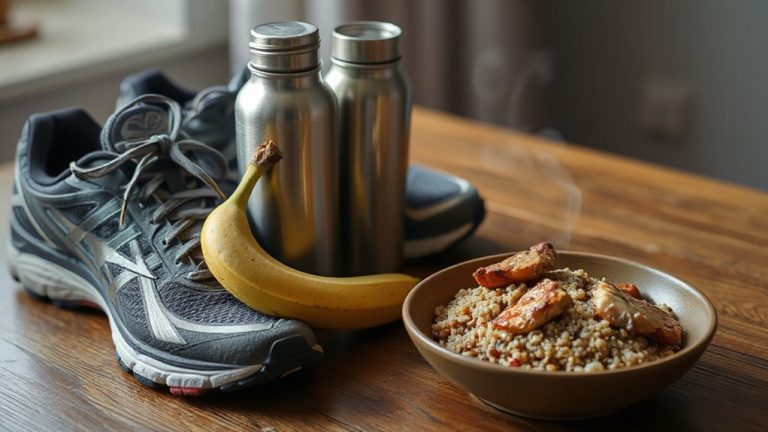
Sipping electrolyte fluids during your workout keeps your levels stable in the moment, but what you do afterward plays an equally important role in long-term muscle resilience. Post exercise recovery isn’t complete without proper mineral replenishment, especially sodium, potassium, and magnesium lost through sweat. These electrolytes regulate nerve and muscle function, so restoring them helps prevent future cramps and supports overall performance. A balanced recovery drink or mineral-rich snack within 30 minutes of finishing your workout maximizes absorption and muscle repair. Below are common electrolytes, their functions, and top food sources:
| Electrolyte | Role in Body | Found In |
|---|---|---|
| Sodium | Fluid balance, nerves | Sports drinks, salt |
| Potassium | Muscle contractions | Bananas, sweet potatoes |
| Magnesium | Muscle relaxation | Nuts, leafy greens |
Smart mineral replenishment boosts recovery and prepares your body for the next effort.
On a final note
You’ve learned that staying hydrated isn’t just about chugging water-it’s about balance. Dehydration and low electrolytes like sodium and potassium directly contribute to cramps, so sipping electrolyte-rich fluids every 15 minutes helps maintain performance. Drinking salted water pre-workout and replenishing minerals after exercise supports muscle function. For reliable recovery, pair smart hydration with quality fitness gear that wicks sweat and supports movement efficiently.