How Cold Therapy Wearables Reduce Delayed Onset Muscle Soreness (DOMS) Through Controlled Vasoconstriction
Cold therapy wearables reduce DOMS by delivering consistent cooling that triggers controlled vasoconstriction, limiting blood flow to ease inflammation and fluid buildup in strained muscles. This targeted approach slows nerve signals and metabolic activity, reducing pain and swelling more effectively than sporadic ice pack use. Unlike traditional methods, these devices maintain ideal cooling for hours, fitting seamlessly into active recovery. Their precision and convenience make them a smart upgrade for serious fitness recovery-there’s more to uncover about how they support long-term performance.
Notable Insights
- Cold therapy wearables induce controlled vasoconstriction, reducing blood flow to limit inflammation and swelling in sore muscles.
- Reduced blood flow decreases fluid buildup and metabolic demand, minimizing tissue damage and soreness after intense exercise.
- Slower nerve conduction from cooling helps alleviate pain signals associated with DOMS within the first 48 hours post-workout.
- Consistent, prolonged cooling from wearables enhances vasoconstriction effectiveness compared to short-term ice pack applications.
- Controlled cooling preserves the natural healing process while preventing excessive inflammatory responses through regulated temperature delivery.
Why Do Muscles Get So Sore After Workouts (DOMS)?
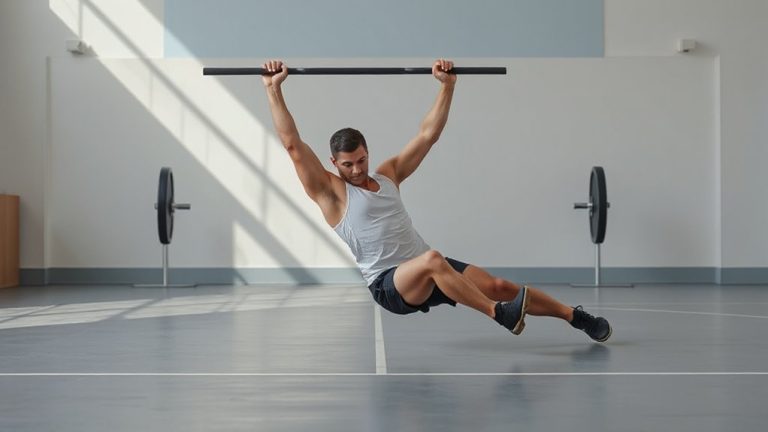
Muscle soreness isn’t just your body’s way of reminding you that you worked hard-it’s a biological response known as delayed onset muscle soreness, or DOMS. You typically feel it 12 to 24 hours after intense exercise, peaking around day two. Contrary to popular belief, it’s not caused by lactic acid buildup, which clears from your system quickly post-workout. Instead, DOMS stems from microscopic muscle fiber tears due to eccentric or unfamiliar movements. These micro-tears trigger inflammation and soreness as part of the repair process. While uncomfortable, this response signals adaptation and strength gains. Recovery tools matter-effective fitness gear should support the body’s natural healing without masking symptoms. Ignoring DOMS or misattributing it to lactic acid can lead to poor recovery choices. Understanding the real cause helps you train smarter and recover more effectively.
How Cold Therapy Wearables Reduce Muscle Soreness
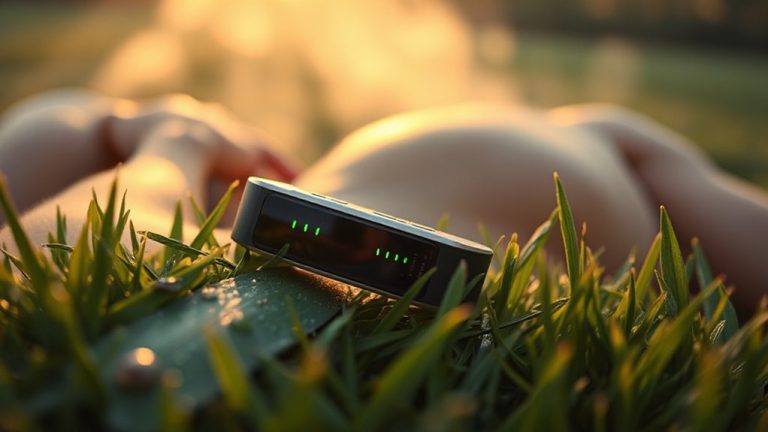
While inflammation is a natural part of muscle recovery after intense exercise, cooling the affected areas can help temper excessive swelling and discomfort. Cold therapy wearables deliver targeted, consistent cooling that promotes muscle relaxation by slowing nerve activity and reducing pain signals. This controlled cold exposure triggers vasoconstriction, decreasing blood flow to overworked tissues and limiting fluid buildup that contributes to soreness. Unlike broad, temporary fixes, these devices maintain ideal temperature ranges ideal for minimizing inflammation without risking tissue damage. You’ll notice reduced joint stiffness, especially in high-motion areas like knees and shoulders, allowing for smoother, more comfortable movement during recovery. The wearables’ ergonomic designs conform to your body, ensuring effective contact without restricting mobility, which means you can stay active while recovering. With regular use, they support faster symptom relief and improved readiness for your next workout.
Why Wearables Beat Ice Packs for DOMS Recovery
Since recovering from delayed onset muscle soreness (DOMS) demands more than brief, surface-level cooling, cold therapy wearables outperform traditional ice packs in both precision and sustained relief. You need consistent temperature control and hands-free use-ice packs can’t deliver that. With portable convenience and precise targeting, wearables maintain therapeutic cooling exactly where inflammation builds. They conform to joints and muscles, avoiding uneven contact or melting leaks.
| Feature | Cold Wearable | Traditional Ice Pack |
|---|---|---|
| Cooling Duration | Up to 8 hours | 15–20 minutes |
| Targeting | Precise, anatomical | Broad, surface-only |
| Mobility | Wearable, full range | Stationary, restrictive |
You stay active during recovery, not sidelined. These devices integrate into your routine, whether post-workout or on-the-go, offering smarter DOMS management backed by design and performance.
How Cooling Slows Inflammation and Speeds Healing
When you apply targeted cold therapy through advanced wearables, the consistent drop in tissue temperature slows metabolic activity in inflamed muscles, reducing the immediate cascade of inflammatory markers like prostaglandins and cytokines. This lowered metabolic rate means cells require less oxygen and produce fewer waste byproducts, minimizing secondary tissue damage. At the same time, cooling modulates your immune response, limiting excessive neutrophil infiltration and oxidative stress that can prolong soreness. Unlike aggressive icing, which may blunt healing if overused, wearable devices maintain a controlled temperature range that suppresses inflammation without freezing tissues. You get the benefit of reduced swelling and pain while preserving the body’s natural repair timeline. Evidence suggests this balance accelerates recovery, letting you return to training sooner. High-quality wearables deliver this therapy consistently, making them a precise, repeatable tool. For athletes prioritizing recovery efficiency, they’re a logical upgrade from traditional methods.
How to Use Cold Therapy Wearables for Best Results
Because cold therapy wearables deliver targeted temperature control, how you use them makes all the difference in maximizing recovery. For best results, apply them within 15–20 minutes post-exercise, when inflammation begins to rise. Maintaining timing consistency enhances vasoconstriction, helping reduce swelling and clear metabolic waste efficiently. Most devices work best during the first 48 hours after intense training, aligning with peak DOMS onset. Pairing wearable integration with your recovery routine-like using them during cooldown stretches or after foam rolling-ensures seamless adherence without disrupting workflow. Don’t overuse; limit sessions to 20–30 minutes to prevent tissue stiffness or skin irritation. Modern wearables offer adjustable settings and conform well to joints, allowing mobility during treatment. Their portability supports consistent use, especially when recovery is prioritized daily. When combined with proper hydration and sleep, targeted cold therapy becomes a measurable advantage in athletic recovery.
Top Features in Cold Therapy Wearables for Athletes
You’ve already seen how timing and consistency shape the effectiveness of cold therapy wearables in post-exercise recovery. Now, consider the top features that make these devices stand out for athletes like you. Advanced models come with smart sensors that monitor skin temperature and cooling duration, ensuring ideal vasoconstriction without overexposure. Paired with app integration, they deliver personalized recovery plans based on your training load and muscle response. Adjustable fit and lightweight materials enhance comfort during active recovery. Here’s a quick comparison:
| Feature | Benefit |
|---|---|
| Smart sensors | Prevents tissue damage via real-time feedback |
| App integration | Tracks usage and suggests recovery windows |
| Rechargeable cooling | Enables on-the-go treatment |
| Moisture-wicking fabric | Improves hygiene and comfort |
These specs reflect thoughtful design, balancing innovation with practicality.
On a final note
You’ll find cold therapy wearables effectively reduce DOMS by promoting controlled vasoconstriction, which limits inflammation without restricting mobility. Unlike ice packs, they deliver consistent, targeted cooling and integrate seamlessly into post-workout routines. Their smart design enhances recovery speed, making them a practical upgrade for serious athletes. While not a cure-all, their performance, ease of use, and durability justify the investment. You’re likely to recover faster and train more consistently with them.