Foam Rolling the Pecs: Releasing Chest Tension to Improve Posture
You can release tight pecs and improve posture with consistent foam rolling, especially if you sit often. The pressure from a firm, medium-density roller helps break up fascial adhesions and relaxes overactive pectoral muscles. Focus on slow, controlled rolls below the collarbone while maintaining core engagement and neutral spine. Avoid bony areas and use deep breathing to enhance tissue release. You’ll soon discover how simple adjustments boost your recovery and alignment.
Notable Insights
- Tight pectoral muscles from prolonged sitting pull shoulders forward, worsening posture and straining the upper back and neck.
- Foam rolling uses myofascial release to loosen tight chest fascia and reduce pectoral muscle hypertonicity for improved alignment.
- Position the foam roller below the collarbone and roll slowly down the fleshy chest, avoiding the sternum and collarbone.
- Maintain a neutral spine and core engagement during rolling to ensure stability and prevent strain from improper form.
- Roll 2–3 minutes per side, 3–4 times weekly, using a medium-density roller for best results in posture correction.
Fix Tight Chest Muscles That Ruin Posture
With your shoulders rounded forward and your chest feeling tight after long hours at the desk, you’re not alone-tight pectoral muscles are a common culprit behind poor posture, especially for those who spend most of their day seated. Your chest anatomy includes the pectoralis major and minor, which, when chronically shortened, pull your shoulders forward and disrupt spinal alignment. This imbalance often undermines muscle symmetry, leading to compensatory strain in your upper back and neck. Without addressing these adhesions and tension patterns, even consistent strength training may worsen postural deviations. Corrective strategies must target the root cause: restricted pec tissue. While foam rolling is practical and accessible, its effectiveness hinges on proper form and consistent use. Recovery tools that apply targeted pressure improve tissue quality over time, making them valuable in fitness recovery routines. Integrating such tools complements exercise by restoring balance and enhancing functional posture. Choosing the right best foam rollers can significantly enhance the effectiveness of your myofascial release routine.
How Foam Rolling Releases Tight Pecs
You’re probably familiar with that stubborn tightness across your chest, especially if you spend hours hunched over a keyboard. Foam rolling targets this tension through myofascial release, applying sustained pressure to loosen restricted fascia surrounding the pectoral muscles. This technique breaks up adhesions that develop from poor posture or overuse, restoring natural muscle length. As you roll, mechanoreceptors in the tissue signal your nervous system, promoting muscle relaxation and reducing hypertonicity. Unlike passive stretching, foam rolling actively prepares the pecs for improved mobility. Quality foam rollers-dense, slightly textured, and firm-deliver consistent pressure without bottoming out, enhancing effectiveness. Used correctly, this self-myofascial release method supports long-term posture correction. While results vary, most people notice reduced tightness after regular sessions. For fitness recovery, it’s a low-cost, accessible tool that complements stretching and strength work.
Best Foam Rolling Techniques for Your Chest
A well-designed routine can make all the difference when tackling tight pectorals, and the right foam rolling techniques target these muscles with precision. Positioning the foam roller just below the collarbone, gently roll downward along the chest to engage pec activation without straining the shoulder joint. Use slow, controlled movements-this isn’t about speed, but quality pressure that encourages myofascial release. Focus on one side at a time to assess tightness differences, promoting muscle symmetry over time. A medium-density roller works best: firm enough to penetrate muscle tissue, soft enough to avoid bruising. Combine rolling with deep breathing to enhance relaxation and blood flow. Consistent use improves posture by reducing forward shoulder pull. For best recovery, integrate pec rolling into post-workout routines, especially after upper-body strength sessions.
Avoid These Common Pec Rolling Mistakes
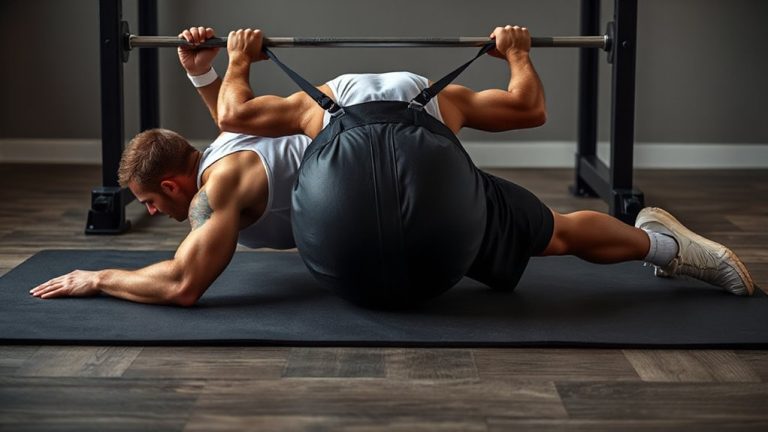
Rolling out your pecs can deliver real gains in mobility and posture, but poor form turns a recovery tool into a source of strain. Applying improper pressure-either too much or too little-can limit effectiveness or bruise sensitive tissue, especially near the collarbone and sternum. You’ll get better results by using controlled, moderate force rather than aggressive grinding. Incorrect alignment, like letting your hips sag or rotating your shoulder awkwardly, reduces target precision and risks joint stress. Position your body squarely, supporting your weight with your opposite hand and opposite knee in a modified plank. Keep your core engaged and spine neutral to maintain stability. Choose a smooth, medium-density roller-it offers enough firmness for muscle penetration without excessive rigidity. Avoid rolling over bony landmarks; focus on the fleshy portions of the chest. Slow, deliberate movements beat rapid, unfocused passes every time.
How Often to Foam Roll for Better Posture
Typically, incorporating foam rolling into your routine three to four times per week yields noticeable improvements in posture and upper body mobility, especially when targeting tight pecs that pull the shoulders forward. Your frequency consistency matters-rolling too sporadically won’t deliver lasting change, while daily overuse may irritate tissues. Aim for a balanced approach: 2–3 minutes per side, 3–4 times weekly offers ideal timing duration for tissue release without strain. Quality pressure and steady breathing enhance effectiveness, making each session more productive. Foam rollers with medium density work best-firm enough to penetrate tight muscle, soft enough to avoid bruising. Consistent use gradually reduces tension, helping reposition rounded shoulders. Results aren’t immediate, but with regular rolling, your upper body alignment improves. Think of it as maintenance, not a quick fix-frequency consistency paired with proper timing duration creates real postural gains over weeks.
Combine Rolling With These Chest Stretches
How much better could your chest mobility get if you paired foam rolling with targeted stretches? After releasing pectoral tension with a foam roller, integrate doorway stretches or corner stretches to enhance lengthening. These stretches improve posture by counteracting slouched positions from prolonged sitting. As you lean forward gently, engage in deep breathing-inhale slowly through the nose, expand your ribcage, and exhale fully. This promotes muscle relaxation and signals your nervous system to release residual tightness. Combine three sets of 30-second holds with rhythmic breathing for best results. High-density foam rollers offer consistent support, while textured models provide deeper myofascial feedback. When paired strategically with static stretches, rolling becomes more than recovery-it’s proactive posture correction. Consistent integration of both techniques delivers measurable gains in flexibility and shoulder alignment over time.
On a final note
You’ll find foam rolling an effective way to release tight pecs and support better posture. When done correctly, it loosens restricted tissue, improves mobility, and enhances recovery. Pairing it with targeted stretches boosts results. Choose a firm, textured roller for better grip and deeper release. Regular use-2–3 times weekly-yields measurable improvements. While not a standalone fix, it’s a practical, low-cost addition to any recovery routine, especially when combined with strength and mobility work.