Compression Therapy Benefits: An In-depth Look at How Compression Gear Can Help Accelerate Recovery Post-exercise
You feel less sore after tough workouts when using compression gear because it boosts blood flow and speeds up recovery. The targeted pressure helps stabilize muscles, reducing micro-tears and inflammation. Graduated compression enhances venous return, clearing lactate faster and supporting oxygen delivery. Socks, sleeves, or tights-each offers benefits depending on your activity. While research shows strong support for improved circulation, results on performance recovery vary. You’ll get the best outcomes when combining proper timing and fit with solid nutrition and rest-key details that shape how well it works for you.
Notable Insights
- Compression gear reduces muscle soreness by minimizing micro-tears and limiting inflammation post-exercise.
- Graduated pressure enhances blood flow, improving oxygen delivery and accelerating removal of metabolic waste like lactate.
- Targeted compression supports muscle fiber realignment and structural recovery, promoting faster return to baseline performance.
- Compression socks, sleeves, and tights offer area-specific benefits, with tights providing full-leg support for systemic recovery.
- Worn immediately after exercise, compression aids lymphatic drainage and reduces swelling, especially beneficial for endurance athletes.
How Compression Therapy Speeds Up Muscle Recovery
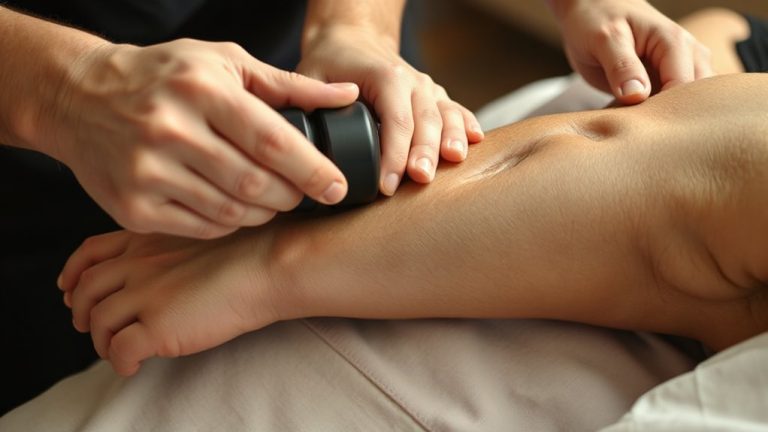
While you’re pushing your limits during workouts, your muscles accumulate micro-tears and inflammation that slow recovery-this is where compression therapy steps in to make a measurable difference. You’ll notice quicker muscle repair because the targeted pressure from compression gear supports structural realignment of damaged fibers. It’s not just about tight sleeves or snug socks-consistent use aids inflammation reduction by stabilizing the affected areas and limiting excessive swelling. Studies show athletes using compression report faster return to baseline performance compared to those who don’t. The gear doesn’t heal you on its own, but it creates ideal conditions for recovery. You still need rest and nutrition, but with compression, you’re giving your body a tactical edge. It’s practical, wearable science-designed for function, tested in training, and valued in rehab. When recovery is this efficient, staying consistent with fitness goals becomes much more achievable. For those looking to maximize these benefits, investing in the best compression boots can elevate post-exercise recovery to the next level.
How Compression Boosts Blood Flow and Reduces Soreness
Because your muscles rely on efficient circulation to recover, compression therapy enhances blood flow by applying graduated pressure that promotes venous return and oxygen delivery to fatigued tissues. This increased perfusion helps clear metabolic waste like lactate faster, speeding up recovery. Compression also supports lymphatic drainage, reducing fluid buildup and inflammation that contribute to soreness. By stabilizing muscle tissue, it minimizes muscle oscillation during movement, which research links to less microtrauma and delayed onset soreness. You’ll notice less tightness and improved comfort post-workout, especially after intense or prolonged activity. While not a standalone fix, it’s a practical tool when combined with proper hydration and cooldown routines. The science-backed design makes it a reliable choice for active individuals seeking efficient, non-invasive recovery support. For optimal results, consider pairing your routine with the best leg compression sleeves based on fit, material, and pressure gradient.
Compression Socks Vs Sleeves Vs Tights: Best Picks for Recovery
You’ve seen how compression supports circulation and eases soreness, but choosing the right type of garment matters just as much as using compression itself. When comparing compression styles, each serves a distinct recovery purpose. Socks target calves and feet, improving lower leg circulation with graduated pressure-ideal for runners. Sleeves offer similar benefits but are easier to adjust and remove, great for spot recovery. Tights cover more surface area, aiding larger muscle groups and reducing overall fatigue, making them a smart pick after intense full-body workouts. Your choice depends on your recovery needs and comfort preferences. Material choices also play a key role: look for moisture-wicking, breathable fabrics like nylon-spandex blends that maintain compression without irritation. While all styles enhance blood flow, tights generally deliver the most thorough support-just guarantee the fit is snug, not restrictive. For those seeking top-performing options, consider exploring the best compression sleeves based on expert testing and user feedback.
When To Wear Compression For Best Results
When should you actually wear compression gear to get the most out of your recovery? The answer lies in smart timing strategies and proper activity matching. You’ll see the best results when you wear compression during the critical recovery window-immediately after exercise. That’s when blood flow support is most needed to reduce soreness and speed up muscle repair. Wearing compression post-workout, especially after intense runs or weight sessions, helps stabilize muscles and decrease inflammation. For endurance athletes, donning compression tights or socks during long travel or sedentary periods afterward can further enhance circulation. Activity matching guarantees you’re using the right type-socks for runners, sleeves for targeted muscle groups, tights for full-leg recovery. Don’t save compression for rest alone; integrate it right after exertion for maximum physiological benefit.
Does Compression Therapy Work? What The Research Says
How effective is compression therapy, really? Research suggests it can help, but results aren’t universal. Some studies show reduced muscle soreness and faster recovery, while others point to minimal gains-possibly due to the placebo effect or study limitations like small sample sizes and inconsistent compression levels.
| Benefit Observed | Evidence Strength |
|---|---|
| Reduced soreness | Moderate |
| Improved blood flow | Strong |
| Faster lactate clearance | Moderate |
| Enhanced performance recovery | Weak |
You might feel better using compression gear, but consider whether that’s from physiological changes or belief. Study limitations make firm conclusions tricky. Still, with low risk and high comfort, trying compression could be worthwhile. It likely works best when combined with proven recovery methods.
On a final note
You’ll find compression gear can genuinely aid recovery when used correctly. It boosts circulation, helping clear metabolic waste and deliver oxygen to tired muscles. Research supports its role in reducing soreness and swelling, especially post-exercise. Socks, sleeves, or tights-each offers targeted support depending on your needs. While not a magic fix, consistent use during recovery windows enhances performance over time. Choose the right fit and compression level, and you’re likely to see measurable benefits.