Visual Tracking Exercises With Smooth Pursuits to Aid Vestibular Recovery
You can boost vestibular recovery with smooth pursuit exercises by tracking a moving pen or finger on a wall, keeping your head still. Do this daily in short, focused sessions to strengthen eye-brain coordination. Avoid common errors like skipping days or overdoing it when dizzy. These low-equipment drills build neural adaptation effectively. For even better results, progress to advanced techniques involving unpredictable motion or combined head-eye movements.
Notable Insights
- Perform smooth pursuit exercises by tracking a moving pen or finger on a wall to improve eye-brain coordination.
- Move your eyes slowly and steadily in horizontal, vertical, and diagonal directions while keeping your head still.
- Practice 2–3 times daily for 5–10 minutes to support neural adaptation and vestibular recovery.
- Avoid pushing through dizziness or eye strain, as overexertion can delay progress and cause setbacks.
- Advance by tracking unpredictable movements or combining eye pursuit with head motion for greater vestibular challenge.
What Are Smooth Pursuit Exercises?
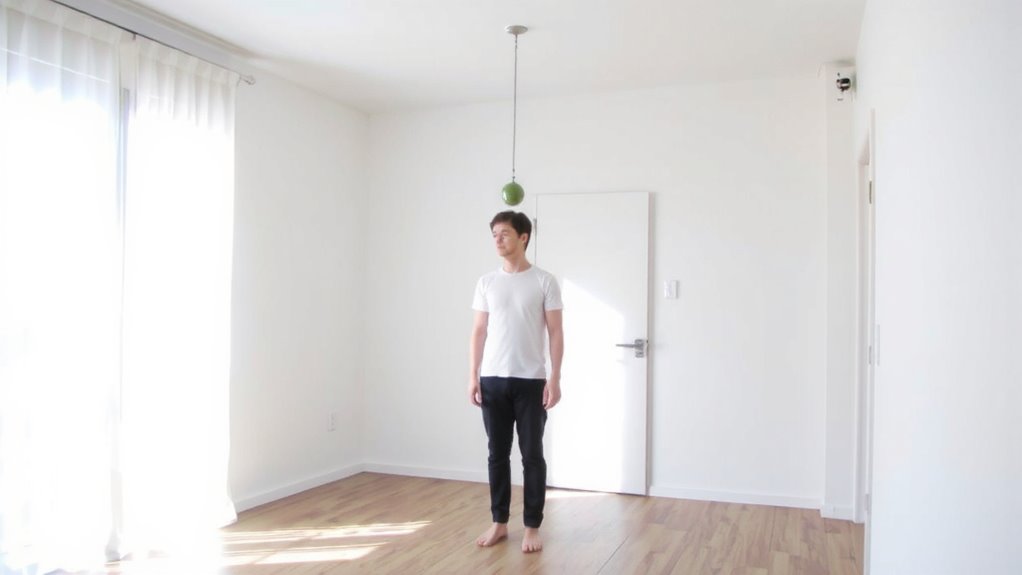
Smooth pursuit exercises-those controlled eye movements following a moving target-are a cornerstone of vestibular rehabilitation for good reason. You use them to sharpen eye brain coordination, training your visual system to track motion smoothly instead of jerking. This isn’t just about eyesight; it’s about how well your brain processes movement in real time. With consistent practice, neural adaptation kicks in, meaning your central nervous system rewires to better interpret spatial cues, reducing dizziness during daily activities. These exercises are low-equipment but high-impact, often requiring only a pen or a moving object. Unlike bulky fitness recovery gear that gathers dust, smooth pursuits offer measurable progress without cost or clutter. They’re practical, scalable, and grounded in neurophysiology. While not flashy, their effectiveness lies in repetition and precision. For anyone serious about functional recovery, they’re not optional-they’re essential.
How to Do Visual Tracking at Home
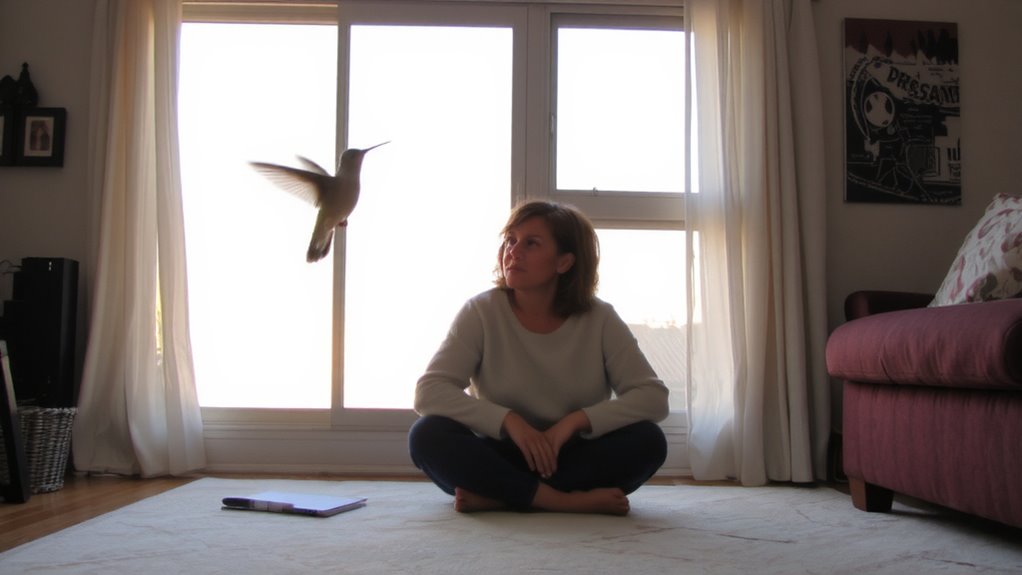
You don’t need a clinic or special equipment to start improving your gaze stability-visual tracking exercises can easily become part of your daily routine at home. Wall tracking is a simple yet effective method: sit facing a blank wall and slowly follow a moving target, like a pen tip or finger, horizontally, vertically, and diagonally. Keep your head still and only your eyes moving. This builds smooth pursuit accuracy without strain. Mirror gazing adds another layer-you watch your own eye movements while slowly shifting focus between different points on your face. It enhances awareness and control, reinforcing neural feedback. Both techniques demand consistency, not intensity. Use natural lighting and minimize distractions for peak performance. These exercises aren’t flashy, but their clinical grounding makes them reliable tools in vestibular rehab. With proper form, they deliver measurable improvements in gaze stability over time.
How Often to Practice for Vestibular Recovery
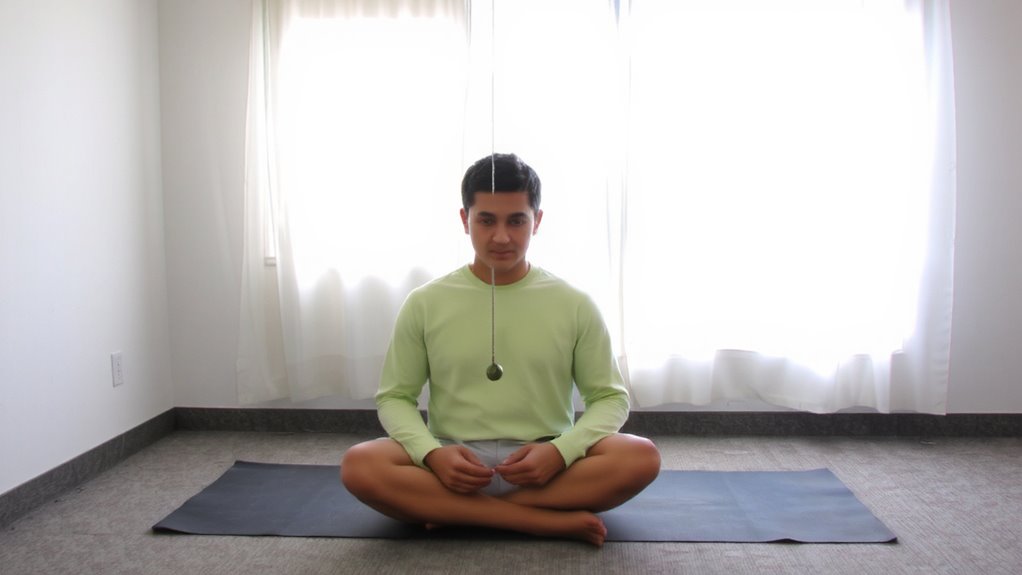
Consistently practicing visual tracking exercises plays a key role in effective vestibular recovery, as neural adaptation depends on regular, controlled exposure rather than sporadic, intense sessions. For ideal frequency consistency, aim for daily practice-ideally two to three short sessions of 5–10 minutes each. This rhythm supports steady recovery pacing without overwhelming your system. You’ll find that brief, repeated efforts yield better long-term results than longer, infrequent bouts, which can increase discomfort. Think of it like training a muscle: daily stimulation with proper rest encourages improvement. Your nervous system responds best to predictable patterns, so scheduling exercises at similar times each day enhances habit formation and neurological feedback. Over time, this methodical approach improves gaze stability and motion tolerance. Stick with it, and you’ll likely notice gradual yet meaningful progress in balance and coordination.
Top Mistakes That Slow Your Progress
Skipping sessions or pushing too hard on bad days can undo the steady gains built through daily practice. You might think you’re saving time with irregular training, but improper timing disrupts neuroplastic adaptation, slowing vestibular recovery. It’s essential to stick to your prescribed schedule while staying flexible around flare-ups. Ignoring symptoms like dizziness or eye strain worsens fatigue and delays progress-these signals mean your system is overwhelmed. Consistency isn’t about grinding through pain; it’s about attentive, measured effort. Many people overestimate their capacity, especially early on, leading to setbacks. Using fitness recovery tools helps track readiness, but they’re no substitute for self-awareness. Relying solely on gear without adjusting for how you feel risks more harm than good. Best recovery combines structured exercise with responsive adjustments. When you honor your body’s cues and avoid erratic timing, you build sustainable improvement.
Level Up: Advanced Smooth Pursuit Exercises
How much more can your tracking precision improve when basic smooth pursuit routines start feeling too easy? Plenty-your brain’s capacity for neural adaptation means you can keep refining eye movement control with advanced challenges. Try tracking unpredictable targets, like a therapist-moving pendulum or digital dots on a screen that shift direction suddenly. These demand sharper gaze stability and faster visual processing. Incorporate head movements, like oscillating your head side-to-side while keeping eyes locked on a stationary target-this elevates vestibular-ocular integration. Using a light bar or pursuit rotor adds consistency and measurable progress. These tools aren’t gimmicks; they’re designed to push your system beyond habituation. Advanced exercises should feel challenging but doable-aim for smooth, controlled motions without head lag or refixations. Over time, this boosts not just visual tracking but overall vestibular recovery, making daily motion less disorienting. You’ll notice better balance during complex tasks because your gaze stability supports spatial awareness.
On a final note
You’ve seen how smooth pursuit exercises support vestibular recovery by improving eye-motor control and balance. When done consistently, they enhance neural adaptation, making daily movements easier. Pairing these drills with reliable, non-slip tracking tools boosts effectiveness. While progress varies, most notice gains within weeks. Avoid rushing; precision beats speed. With proper form and gradual progression, these exercises are a practical, low-cost part of fitness recovery-no advanced gear needed, just discipline and smart, steady practice.