Myofascial Release Techniques Explained: How Self-myofascial Release Enhances Your Recovery
You’re using self-myofascial release (SMR) to reduce muscle tightness and speed recovery by applying pressure to your fascia with tools like foam rollers or massage balls. It boosts blood flow, rehydrates connective tissue, and resets muscle tone, improving flexibility over time. Unlike stretching, SMR targets how your nervous system regulates tension. Done 3–5 times weekly, especially post-workout, it enhances mobility and eases soreness-consistency and proper technique make all the difference if you’re serious about recovery results.
Notable Insights
- Self-myofascial release (SMR) applies sustained pressure to fascia, improving tissue pliability and reducing muscle tension.
- SMR enhances recovery by increasing blood flow, reducing soreness, and preventing fascial adhesions between muscle layers.
- Foam rollers and massage balls help release tightness in large muscles and target deep trigger points effectively.
- Rolling slowly and pausing on tight spots for 20–30 seconds promotes neural relaxation and improved tissue quality.
- Performing SMR 3–5 times weekly, especially post-workout, optimizes mobility, flexibility, and overall recovery.
What Is Self-Myofascial Release (And Why It Works)?
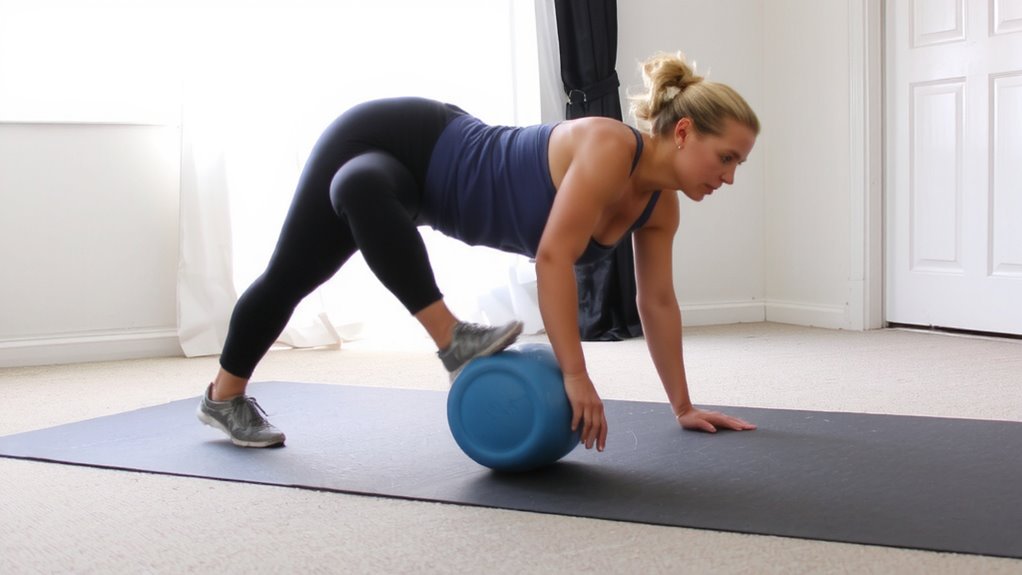
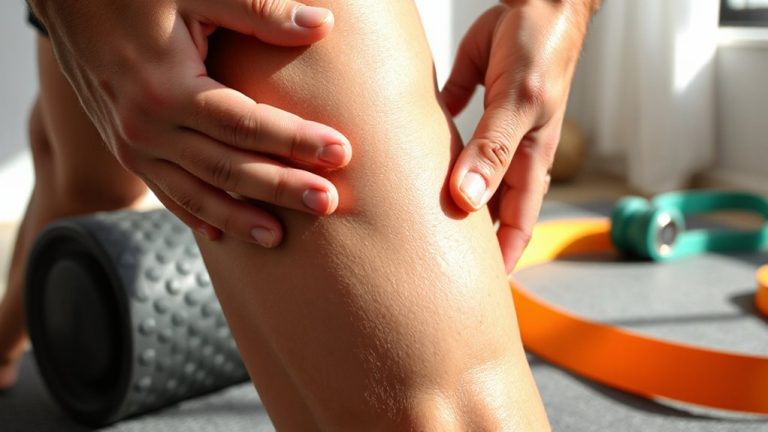
What exactly happens when you roll out a tight quad on a foam roller and suddenly feel looser? You’re not just loosening muscle-you’re engaging in self-myofascial release (SMR), a technique targeting the fascia, the connective tissue surrounding muscles. When you apply sustained pressure, you promote fascia hydration, helping restore its pliability and slide between layers. This mechanical input also triggers a nervous system reset, dampening overactive muscle tone and reducing the perception of tightness. Unlike passive stretching, SMR actively modulates how your body interprets tension. Foam rollers, massage balls, and vibrating tools enhance this effect through consistent, adjustable pressure. While results vary by individual and tool quality, consistent use shows measurable improvements in tissue response. Though not a cure-all, SMR is a practical, evidence-backed recovery method when used correctly. It’s efficient, low-risk, and fits seamlessly into most fitness routines. The effectiveness of SMR can be significantly influenced by choosing the right foam roller density.
How SMR Improves Recovery and Flexibility
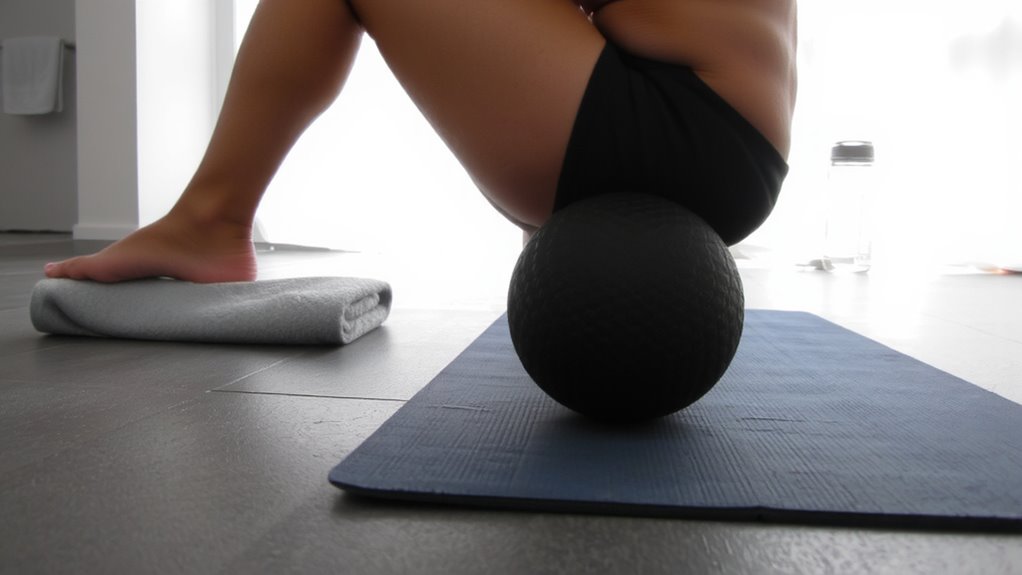
When you’re dealing with post-workout stiffness or limited range of motion, self-myofascial release (SMR) offers a practical way to support recovery and enhance flexibility. By applying gentle pressure to tight areas, you help restore muscle elasticity, allowing tissues to lengthen and move more freely. This isn’t just about feeling looser-it’s about improving functional mobility over time. SMR also promotes fascial hydration, which keeps connective tissue supple and less prone to adhesions. Well-hydrated fascia glides smoothly between muscle layers, reducing friction and discomfort. Regular use of SMR techniques can speed up recovery by increasing blood flow and reducing muscular tension. You’ll likely notice improved movement efficiency and reduced soreness after consistent sessions. While results vary, most people report better joint range and decreased stiffness within weeks. It’s a low-risk, high-reward strategy that fits easily into recovery routines, making it a smart choice for active individuals seeking long-term flexibility gains. Using a best massage gun can enhance the effectiveness of SMR by delivering targeted, percussive therapy to deep muscle layers.
Best At-Home SMR Tools for Every Budget
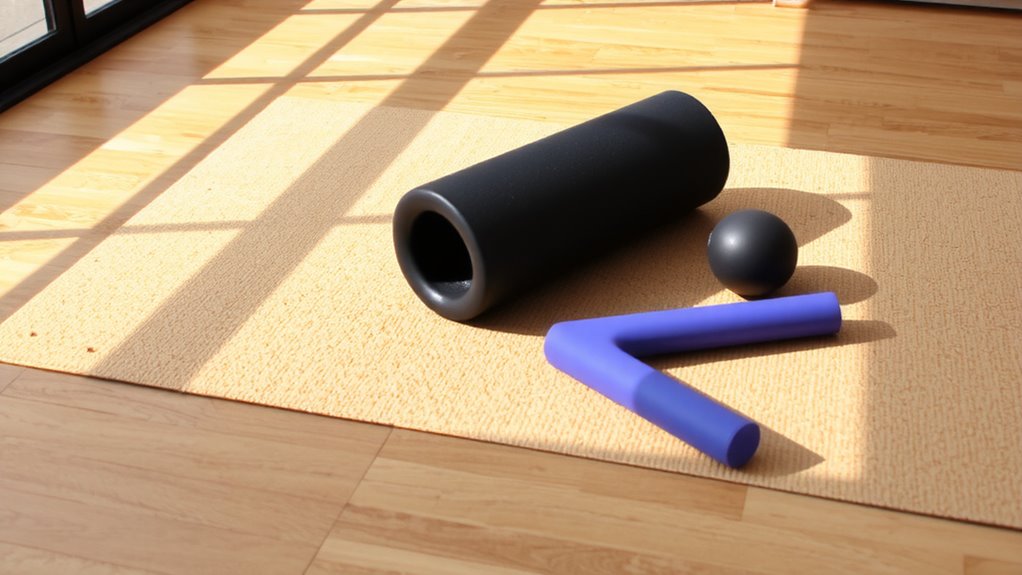
You’ve seen how self-myofascial release speeds recovery and improves flexibility by easing tension and supporting fascial health, so now it’s time to contemplate the tools that make it possible at home. A foam roller is your foundational tool-affordable, versatile, and effective for large muscle groups like quads and back. Basic models cost under $20, while textured or vibrating versions offer deeper input at a higher price. For targeted relief, a massage ball reaches tight spots like feet, glutes, and shoulders with precision. Pairing both tools gives you complete coverage. High-density EVA foam lasts longer and resists deformation, making it a smarter long-term buy. Compact designs store easily, and both tools require only soap and water for cleaning. While luxury gadgets exist, effective SMR doesn’t demand big spending-thoughtful selection does. Some rollers now come with variable vibrating foam rollers settings to enhance tissue relaxation and improve circulation.
SMR Step-by-Step: Techniques for Key Muscle Groups
Start by positioning your body so the tool supports your weight directly over the target muscle group, allowing controlled pressure without collapsing into joints. Use foam rolling to evenly release tension along larger muscles like quads and hamstrings, moving slowly to detect tight spots. For deeper knots, switch to trigger pointing with a ball or knobbed tool-focus on those stubborn areas for 20–30 seconds until you feel release. Adjust pressure by shifting your body weight.
| Sensation | Emotion Evoked |
|---|---|
| Mild discomfort | Relief |
| Deep pressure | Confidence |
| Knot release | Satisfaction |
Foam rolling is ideal for overall myofascial maintenance, while trigger pointing offers precision. Both boost blood flow, reduce stiffness, and improve recovery quality.
How Often Should You Do SMR? (Timing for Results)
Typically, incorporating self-myofascial release (SMR) three to five times per week yields measurable improvements in mobility and recovery, especially when paired with consistent training. The ideal frequency depends on your activity level-higher training volume often demands more frequent SMR to manage tissue tension and support recovery timing. If you’re highly active, daily use on tight areas can prevent chronic stiffness without risk of overuse, provided proper technique is maintained. For most, spacing sessions every other day balances effectiveness with adequate tissue response time. Morning or post-workout sessions tend to be most beneficial, aligning SMR with natural recovery timing. Foam rollers and massage balls vary in density and texture, so choosing gear that matches your tolerance and goals enhances consistency. While results build over weeks, regular use at the right frequency accelerates gains in flexibility and muscular comfort more than sporadic efforts ever could.
5 Common SMR Mistakes to Avoid
A common pitfall in self-myofascial release (SMR) is moving too quickly through the tissue, which reduces effectiveness and can worsen discomfort instead of alleviating it. You’re better off moving slowly, letting the roller target tight spots with deliberate focus. Applying incorrect pressure-either too much or too little-can also hinder progress; excessive force may irritate tissue, while too little won’t release deep tension. Pay attention to your body’s feedback and adjust accordingly. Another overlooked issue is overhydration risks: drinking excessive water before or after SMR doesn’t speed recovery and could dilute electrolytes, impacting muscle function. Stick to balanced hydration. Using low-density foam rollers on very tense areas might not deliver sufficient stimulus, so match gear density to your needs. Consistent technique matters more than duration. Avoid rushing, prioritize form, and let your nervous system adapt for best results.
Boost Results: Combine SMR With Stretching and Mobility
You’ve already avoided the common SMR pitfalls-moving too fast, using the wrong roller density, or overdoing pressure-so now it’s time to take recovery further by pairing self-myofascial release with stretching and mobility work. When combined, these methods deliver clear synergy benefits: SMR helps relax tense fascia, making subsequent stretching more effective and less painful. Research shows muscles respond better to lengthening after myofascial input, improving range of motion. For ideal sequencing, roll first, then stretch, and finish with dynamic mobility drills. This order aligns with tissue response physiology, enhancing both flexibility and joint function. Foam rollers and massage balls prepare the system, while static and active stretching build on that release. Mobility exercises then reinforce proper movement patterns. High-density rollers perform better here, maintaining structural integrity under pressure. The result? A smarter, more adaptive recovery process that supports consistent training and reduces injury risk-proving that recovery isn’t passive; it’s strategic.
On a final note
You’ll find self-myofascial release (SMR) a practical, effective tool for faster recovery and improved mobility. Using gear like foam rollers or massage balls, you can reduce muscle tension and increase blood flow. When done correctly-timing it post-workout and targeting major groups-SMR enhances flexibility and supports muscle function. Combine it with stretching for best results. Though simple, it demands consistency and proper technique to avoid overuse or injury. Overall, SMR offers solid value for recovery when integrated wisely into your routine.