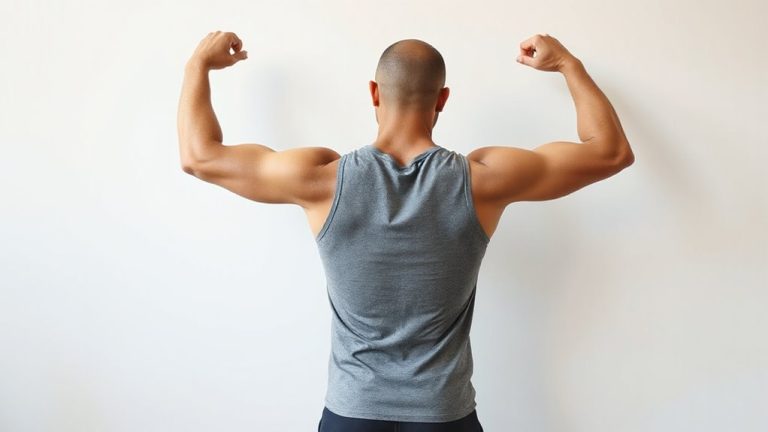
Isometric Front Plank With Limb Lifts to Challenge Core Stability in Field Sport Athletes
You maintain a forearm plank with elbows under shoulders, engaging your core, glutes, and quads to keep a straight line from head to heels. Lifting one arm or the opposite limb challenges stability, forcing real-time neuromuscular adjustments that mimic field sport demands. This movement builds sport-specific endurance by disrupting balance on stable or textured surfaces, enhancing co-contraction and deep stabilizer resilience-especially when you prioritize control over speed or height. Common errors like hip sagging or breath-holding reduce effectiveness, but proper form sharpens dynamic control. Small adjustments in limb elevation or surface instability can substantially increase challenge. Progressions like staggered-hand planks or pulse variations further develop anti-rotation strength. You gain measurable stability gains by integrating controlled limb lifts into consistent training. Greater refinements in technique and intensity await.
Notable Insights
- Perform forearm plank with elbows under shoulders, maintaining a straight line from head to heels.
- Engage core, glutes, and quads to stabilize while lifting one arm or opposite limb with control.
- Avoid hip sag or hike to preserve alignment and maximize core activation.
- Use short, intense intervals on unstable surfaces like turf to mimic sport-specific demands.
- Progress to advanced variations such as single-arm lifts or staggered-hand planks for greater stability challenge.
How to Do the Isometric Front Plank With Limb Lifts
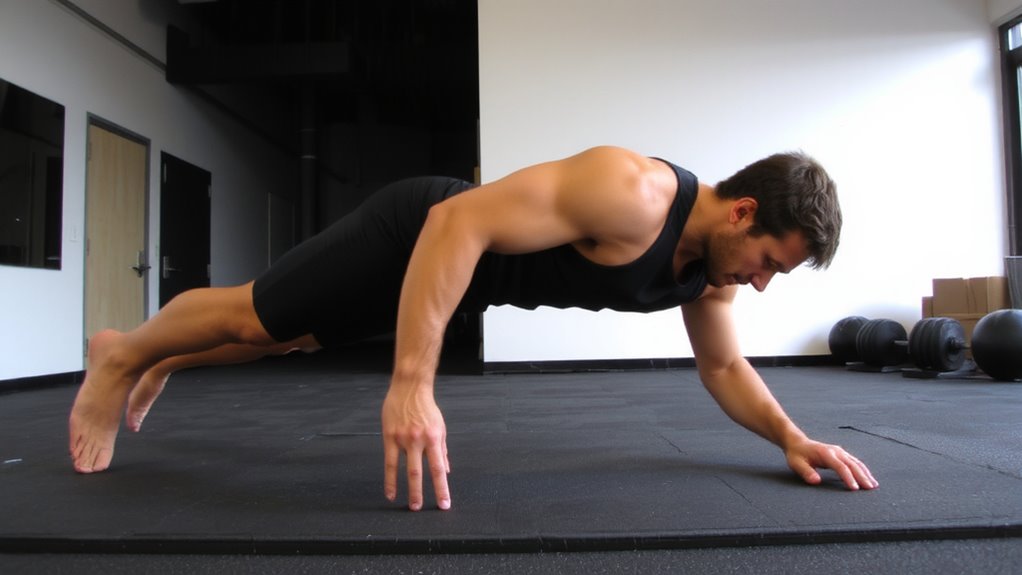
Form is everything when holding the isometric front plank with limb lifts-your body works as a single unit, and even small shifts can turn an effective core activation into a strain on your lower back or shoulders. Begin in a forearm plank, elbows under shoulders, body in a straight line from head to heels-this proper alignment protects joints and maximizes muscle engagement. Engage your core, glutes, and quads to stabilize. Breathe steadily; your breathing technique should be rhythmic, avoiding holding your breath to maintain intra-abdominal pressure. Lift one arm or opposite limb slightly, keeping hips level. Return slowly. Repeat with control. Each rep demands focus, not momentum. Use a mat that supports wrist comfort without encouraging elbow sinking. Wear fitted clothing to monitor form without restriction. This exercise blends stability and endurance, making smart use of bodyweight and recovery-friendly intensity. A high-quality workout mat for home gyms ensures proper cushioning and grip during prolonged holds.
Why This Plank Builds Field-Specific Core Strength
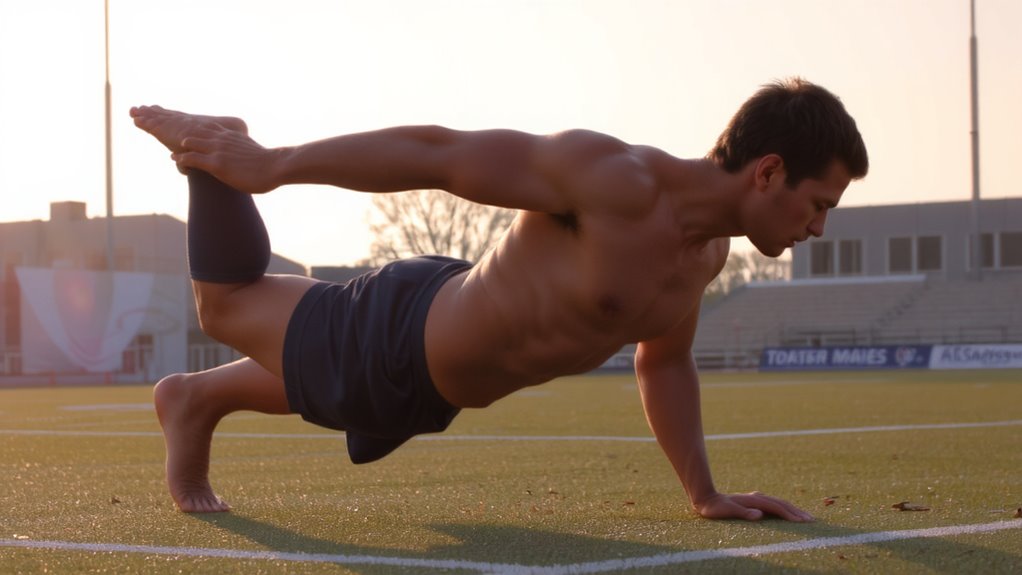
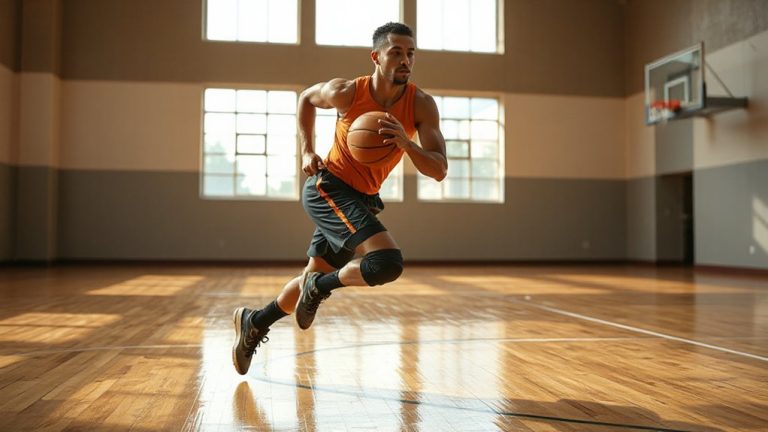
Why does this variation of the plank stand out when so many others claim to build core strength? Because it directly mimics the dynamic stability demands athletes face during field sports. When you lift a limb off the ground, you disrupt your balance, forcing your core to stabilize-just like during quick cuts, sprints, or tackles. This isn’t just static holding; it’s active control under shifting loads. You’re building sport specific endurance by training your muscles to fire continuously while resisting rotation and collapse. Unlike standard planks, this version challenges multiple planes of motion, closely simulating real-game conditions. The constant micro-adjustments strengthen deep stabilizers, enhancing on-field resilience. It’s not flashy, but its functional carryover is undeniable. You’re not just holding a pose-you’re preparing your body to stay tight and responsive when fatigue sets in, making it a practical, effective tool for athletic performance.
Fix These Common Limb Lift Form Mistakes
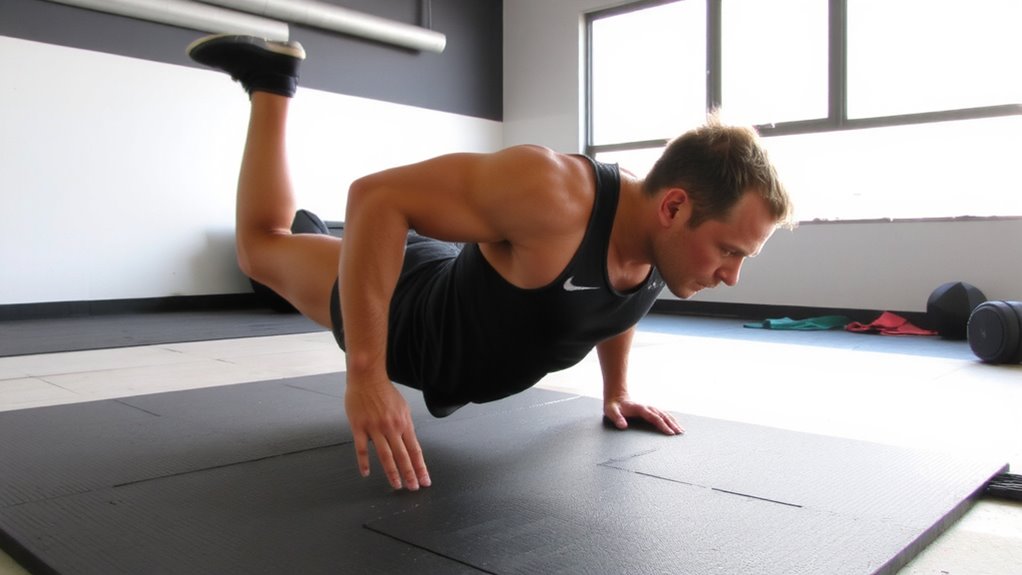
You’ve likely felt your core fire up when lifting a limb during the isometric front plank, but if your hips are swaying or your lower back arching, you’re not getting the full benefit-and you might be setting yourself up for strain. Maintaining proper alignment is essential: your body should form a straight line from head to heels. Avoid jerky motions-opt for controlled movement to maximize stability and neuromuscular engagement. Many athletes lift limbs too high or too fast, disrupting balance and reducing core activation.
| Mistake | Why It’s Bad | Fix |
|---|---|---|
| Hip sag or hike | Breaks proper alignment | Engage glutes and brace abs |
| Rapid limb lift | Loses controlled movement | Lift slowly, hold 2 seconds |
| Holding breath | Reduces stability | Breathe steadily, maintain tension |
Focus on precision over reps for real field performance gains.
Isometric Plank Progressions for Athletes
While you’re likely familiar with the standard isometric front plank, advancing your core training through structured progressions can substantially boost athletic performance and muscular endurance. Modifying plank timing-gradually increasing hold duration from 20 to 60 seconds-builds stamina and reinforces neuromuscular control. Short, intense intervals followed by active recovery also mimic sport-specific demands. Equally important is surface texture; performing planks on slightly unstable yet textured surfaces, like padded gym mats or turf, increases co-contraction in stabilizing muscles without compromising form. These subtle changes elevate core engagement while minimizing joint strain. Consistent progressions should prioritize control over duration or instability to reduce injury risk. For athletes, pairing precise plank timing with appropriate surface texture enhances not just strength, but proprioception and resilience. This strategic approach guarantees that core training translates directly to improved on-field stability, power transfer, and overall movement efficiency.
Advanced Variations to Challenge Stability
How do you break through a plateau in core stability when standard planks no longer challenge you? It’s time to integrate advanced variations that amplify core engagement and refine stability training. These progressions demand control, balance, and precise neuromuscular coordination-critical for field sport athletes facing dynamic loads.
| Variation | Core Demand | Stability Focus |
|---|---|---|
| Single-arm plank with opposite leg lift | High | Unilateral control |
| Plank to elbow on stability ball | Moderate-High | Proprioceptive disruption |
| Staggered-hand plank with limb pulse | High | Anti-rotation challenge |
Each variation disrupts equilibrium, forcing deeper core engagement. The stability ball introduces an unstable surface, heightening sensory feedback. Staggered-hand and pulse techniques increase time under tension. These drills aren’t just harder-they’re smarter, building resilient core function. For best results, pair them with recovery strategies and quality training gear that supports joint integrity and movement precision.
On a final note
You’re building serious core stability with this move, and it transfers well to field sports requiring balance and power. The isometric front plank with limb lifts challenges coordination and endurance without heavy gear. Done correctly, it strengthens deep stabilizers far better than basic planks. Mistakes like sagging hips or rushed lifts reduce effectiveness. Progress gradually-start slow, master form, then advance. It’s a smart, equipment-light choice for athletic development.