Using Breathwork Techniques to Manage Pain and Anxiety in Post-Operative Athletes
You can speed recovery after surgery by using breathwork to ease pain and reduce anxiety. Diaphragmatic breathing lowers stress markers and boosts oxygen flow, supporting tissue repair. Box breathing calms your nervous system, helping manage discomfort without overrelying on meds. When done safely and consistently, these techniques enhance healing and mental resilience-especially for athletes facing long rehab. Start slow, follow medical advice, and build a routine that works. There’s more to how breath shapes recovery than most realize.
Notable Insights
- Breathwork accelerates post-surgical healing by improving oxygen delivery and circulation to damaged tissues.
- Diaphragmatic breathing activates the relaxation response, reducing stress markers and supporting pain management.
- Box breathing calms the nervous system, decreasing anxiety and enhancing mental clarity during recovery.
- Structured breathwork reduces reliance on pain medication by modulating pain perception through parasympathetic activation.
- Safe practice begins post-approval, with short sessions in an upright posture to prevent complications.
Why Breathwork Speeds Recovery For Athletes

While surgery can sideline even the most disciplined athletes, incorporating breathwork into your recovery routine may accelerate healing in ways passive rest alone can’t match. You’re not just waiting for time to heal you-active breathing drives physiological changes. Deep, controlled breaths boost enhanced circulation, delivering oxygen-rich blood to damaged tissues more efficiently than rest alone. That improved flow supports cellular regeneration, a critical process for repairing muscle, tendon, and connective tissue post-surgery. Unlike passive recovery, breathwork engages your autonomic system to create an internal environment conducive to healing. Studies show athletes using structured breathwork return to training faster, with reduced inflammation and better tissue repair. When paired with proper fitness gear like supportive braces or compression wear, breathwork complements physical protection with internal restoration. It’s not a substitute for medical care, but an evidence-backed enhancement-efficient, low-risk, and within your control. You’re training your body to heal smarter, not just harder.
Use Diaphragmatic Breathing To Activate Relaxation
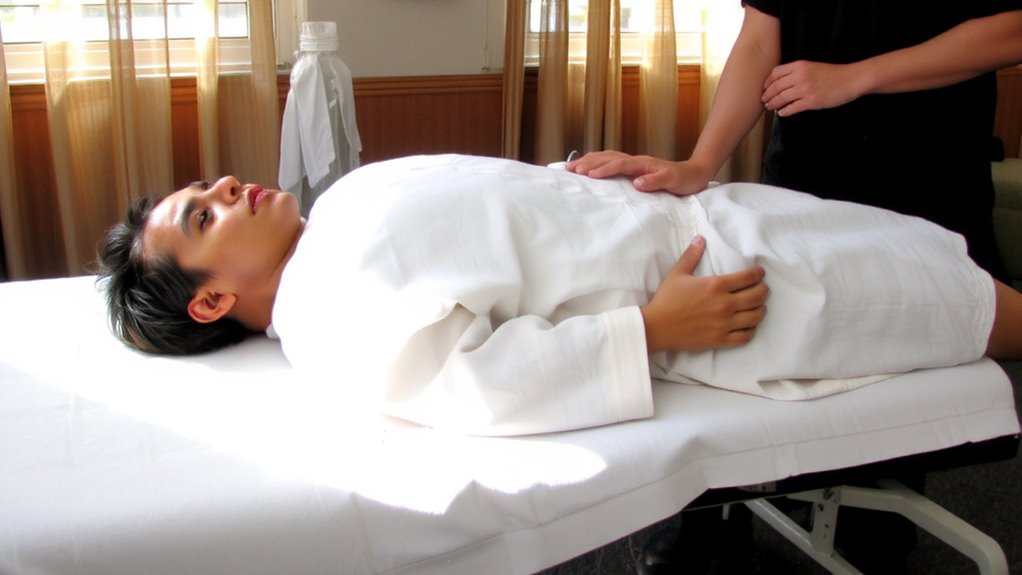
Diaphragmatic breathing-often called belly breathing-puts you in charge of your recovery by tapping directly into the body’s relaxation response. You’re not just resting; you’re actively improving your respiratory rhythm, which stabilizes heart rate and reduces perceived pain. As you inhale deeply through the nose, feel your abdomen rise with full abdominal engagement, ensuring air reaches the lower lungs. This isn’t shallow chest breathing-it’s deliberate, efficient, and biomechanically superior for recovery. You’ll notice tension in your shoulders drop as your diaphragm does the work, signaling safety to your system. Consistent practice enhances oxygen exchange and supports tissue repair, critical for athletes healing post-surgery. Unlike passive recovery, this technique offers measurable control over physiological stress markers. When paired with proper rest and medical guidance, diaphragmatic breathing becomes a foundational recovery tool-accessible, cost-free, and effective when practiced with intention and regularity.
Calm Your Nervous System With Box Breathing

If you’re looking to regain control over your stress response after surgery, box breathing offers a structured way to reset your nervous system and support recovery. You inhale for four counts, hold for four, exhale for four, then pause for four-creating a “box” pattern that regulates your breath. This rhythm directly calms your nervous system by increasing parasympathetic activity and reducing sympathetic overdrive. Unlike unguided breathing, box breathing provides clear parameters, making it easier to maintain focus when pain or anxiety spikes. Athletes using this technique often report improved mental clarity and reduced perception of discomfort, likely due to stabilized oxygen levels and enhanced brain coherence. It’s a portable, no-cost method that complements physical recovery without relying on gear. When practiced consistently, it trains your stress response to become more resilient, helping you regain emotional and physiological balance during a challenging phase of healing.
Practice Breathwork Safely After Surgery
You’ve just learned how box breathing can stabilize your nervous system after surgery, but knowing when and how to apply breathwork safely matters just as much as the technique itself. Begin breathwork only when your medical team approves, typically after initial healing milestones. Start with short sessions-three to five minutes-to build breath awareness without strain. Focus on slow, controlled inhales and exhales, monitoring how your body responds. Proper posture alignment is essential: sit upright with shoulders relaxed and spine neutral, whether in bed or on a chair, to support unrestricted diaphragmatic movement. Avoid slouching, as it limits lung expansion and increases intra-abdominal pressure. Use supportive pillows if needed. Don’t push through dizziness or sharp pain-these are cues to pause. Consistent, gentle practice enhances recovery resilience. Safety isn’t just precaution; it’s foundational to effective breathwork integration in post-operative rehab.
Reduce Pain And Medication Use With Breathwork
While medication remains a cornerstone of post-operative pain management, integrating breathwork into your recovery routine can meaningfully reduce reliance on pharmaceuticals, particularly by modulating pain perception through nervous system regulation. Controlled breathing activates the parasympathetic system, reducing pain signals and supporting natural relaxation. This contributes directly to medication reduction without compromising comfort. For post-surgical athletes, breathwork isn’t just supportive-it’s strategic in maintaining mental and physical control during downtime.
| Technique | Effect on Pain | Role in Medication Reduction |
|---|---|---|
| Diaphragmatic | High | Moderate |
| Box Breathing | Moderate | High |
| 4-7-8 Method | High | High |
| Pursed-Lip | Moderate | Low |
| Resonant | High | High |
Used consistently, these methods enhance pain management efficacy while minimizing dependence on drugs, aligning recovery with performance-based discipline.
Create A Daily Habit To Heal Faster
Because healing demands consistency, establishing a daily breathwork habit becomes one of the most effective tools for accelerating recovery after surgery-especially for athletes conditioned to routine and measurable progress. A consistent routine trains your nervous system to shift into restorative modes, reducing inflammation and supporting tissue repair. Just five to ten minutes twice a day can build mindful awareness, helping you recognize tension, adjust breathing patterns, and respond to pain signals without overreaction. Unlike fitness gear that sits idle, breathwork requires no equipment-just commitment. Think of it as mental conditioning, like strength training for your autonomic system. Over time, this practice enhances oxygenation, improves sleep quality, and stabilizes mood-all critical for recovery. Athletes who maintain this habit often report faster return-to-play timelines. The real value isn’t in intensity but in repetition: daily sessions lock in benefits, turning breath into a reliable recovery tool.
On a final note
You can speed recovery by using breathwork to calm your nervous system and reduce pain. Diaphragmatic and box breathing lower stress, helping your body heal. These techniques may cut down on medication needs. When done safely post-surgery, breathwork supports lung function and mental focus. Paired with proper fitness gear that aids mobility and comfort, consistent practice enhances recovery outcomes. It’s practical, evidence-based, and fits well into rehabilitation routines.