Optimizing Protein Intake to Accelerate Tendon Repair After Sports Injury
You need consistent, high-quality protein to speed tendon repair after a sports injury. With limited blood flow, tendons rely on steady amino acids-especially glycine, proline, and leucine-for collagen synthesis and fibroblast activity. Aim for 1.6–2.2 grams per kilogram daily, spaced over 4–5 meals. Prioritize clean whey or marine collagen, and pair with vitamin C for maximum tissue regeneration-timing matters most right after exercise. Missing these steps slows progress, even with enough total protein. There’s more to optimizing recovery the right way.
Notable Insights
- Consume 1.6–2.2 g of protein per kg of body weight daily to support tendon repair and collagen synthesis.
- Distribute protein intake evenly across 4–5 meals to maximize muscle-tendon regeneration and amino acid availability.
- Prioritize high-quality sources like grass-fed whey and marine collagen for rich bioavailable type I collagen peptides.
- Ingest 20–30 g of protein within 30–60 minutes post-exercise to optimize collagen synthesis and recovery.
- Combine protein with vitamin C, copper, and manganese to enhance collagen formation and reduce oxidative stress.
Why Protein Speeds Tendon Healing After Injury
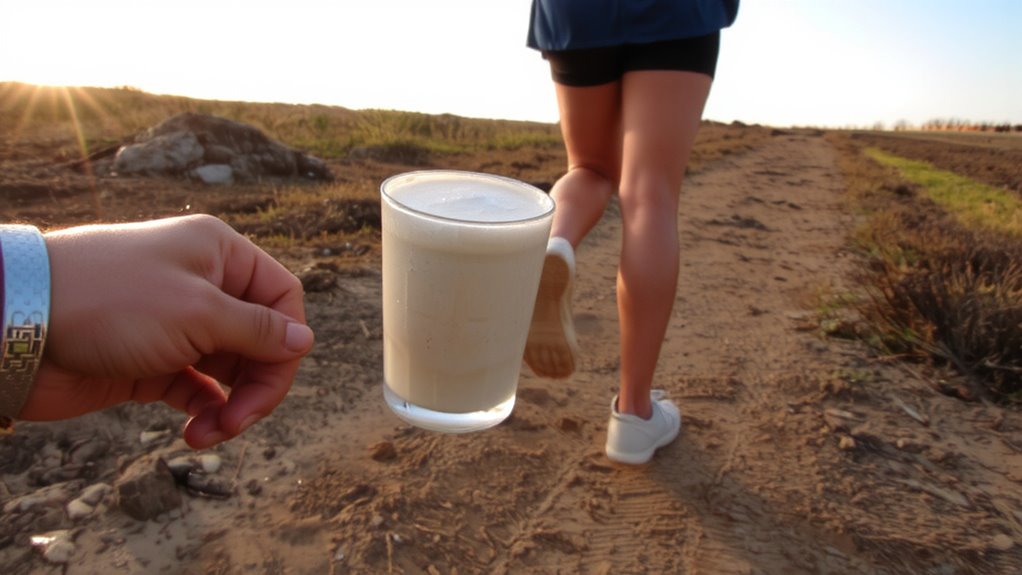
Although tendons heal more slowly than many other tissues due to their limited blood supply, getting enough protein in your diet can make a meaningful difference in how quickly and effectively they repair. You rely on dietary protein as a source of essential amino acid building blocks that drive tissue regeneration. Without sufficient intake, your body struggles to produce collagen-the primary structural protein in tendons-slowing recovery and increasing re-injury risk. Studies show that consistent protein consumption supports fibroblast activity, enhancing tendon matrix repair at the microscopic level. While fitness gear like braces or compression sleeves may protect the area, they don’t replace the biological need for proper nutrition. You need quality protein not just for muscle, but to maintain tendon integrity during rehabilitation. It’s not just about quantity-timing and amino acid profile matter for ideal healing. Prioritizing protein is a practical, evidence-based step toward resilient recovery.
How Much Protein You Need for Faster Repair
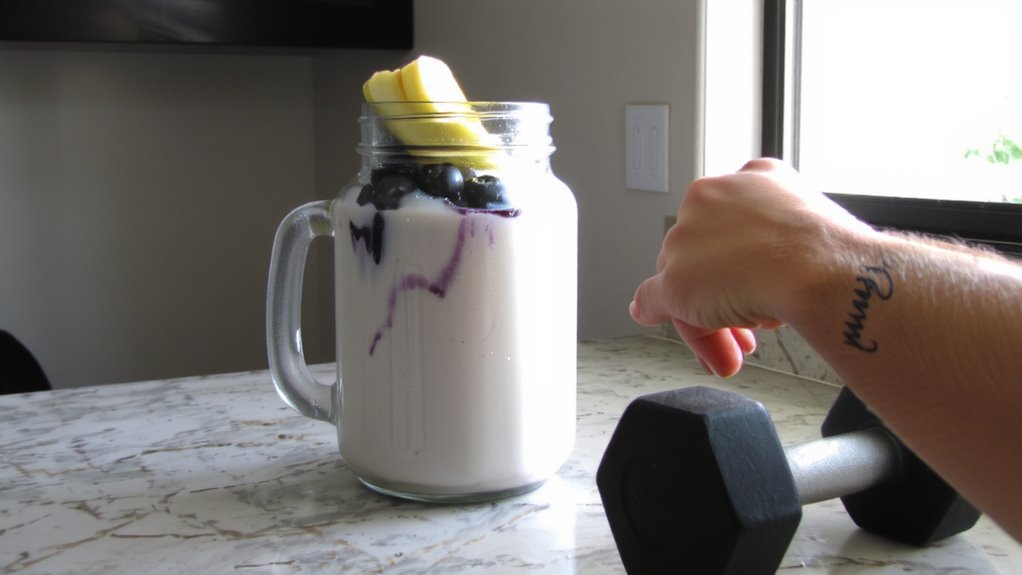
Because your tendons rely on a steady supply of amino acids to rebuild collagen fibers, hitting the right daily protein target can greatly influence recovery speed and tissue quality. For best repair, aim for 1.6–2.2 grams of protein per kilogram of body weight daily. This range supports muscle-tendon junction healing while accounting for your overall metabolic demand. Protein timing matters-spreading intake across 4–5 meals ensures sustained amino acid delivery. Pair this with attention to amino acid balance, particularly collagen-boosting types like glycine and proline.
| Body Weight (kg) | Daily Protein Goal (g) |
|---|---|
| 70 | 112–154 |
| 80 | 128–176 |
| 90 | 144–198 |
Consistency beats spikes; even distribution enhances synthesis better than skewed intake.
Best Protein Sources for Tendon Recovery
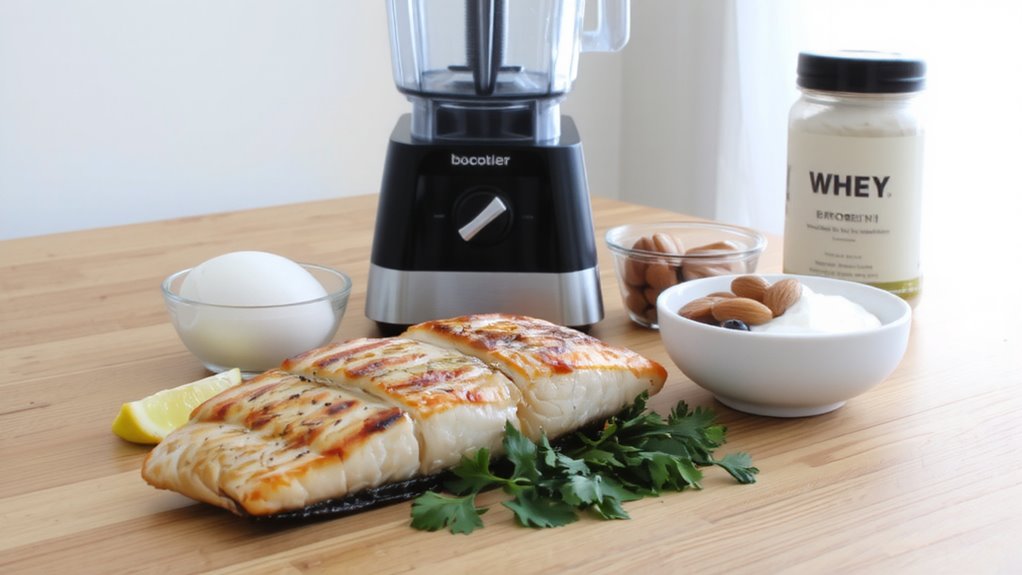
While not all proteins support tendon repair equally, choosing sources rich in the amino acids that fuel collagen synthesis can make a real difference in how quickly and effectively your tissues recover. You’ll benefit most from high-quality, bioavailable proteins that deliver ample glycine, proline, and hydroxyproline-key building blocks for tendon matrix regeneration. Grass fed whey stands out due to its high leucine content, supporting muscle-tendon junction repair, while causing minimal inflammation. Marine collagen is even more targeted: it’s rich in type I collagen peptides, the dominant protein in tendons, and studies suggest it boosts fibroblast activity, enhancing tissue remodeling. Unlike some protein powders loaded with fillers, clean formulations of grass fed whey and marine collagen offer concentrated support without digestive strain. When recovery is the goal, these aren’t just supplements-they’re strategic tools backed by biochemistry and clinical observation.
When to Eat Protein for Optimal Healing
When should you take protein to maximize tendon healing? Timing matters more than most realize. Research shows protein consumed close to injury activity or rehabilitation exercise boosts tendon repair substantially. Your body has key recovery windows-especially within 30 to 60 minutes post-workout-when amino acid uptake is highest. Taking 20–30 grams of high-quality protein during this period supports collagen synthesis, essential for tendon strength. Spreading intake throughout the day also helps maintain a positive nitrogen balance, promoting continuous repair. Skipping these recovery windows may slow progress, even if daily protein goals are met. Think of these moments like firmware updates for your body-delay them, and performance lags. Consistency in timing, paired with smart training recovery gear like compression sleeves that support blood flow, enhances nutrient delivery. When healing tendons, precision in protein timing isn’t just smart-it’s necessary.
Pair Protein With Vitamin C & Collagen Boosters
Hitting your protein targets at the right time sets the stage for recovery, but what you pair it with can make or break the repair process. For real tendon repair gains, combine protein with nutrients that drive collagen stimulation and support vitamin synergy. Vitamin C isn’t just for immunity-it’s a co-factor in collagen synthesis, meaning without it, your protein intake won’t yield peak results. Pairing a protein source with collagen boosters maximizes structural rebuilding in injured tendons.
| Booster | Role in Tendon Repair |
|---|---|
| Vitamin C | Enables collagen stimulation |
| Copper | Supports cross-linking in collagen |
| Manganese | Aids enzyme function for repair |
| Anthocyanins | Enhance vitamin synergy & reduce oxidative stress |
Time this combo post-workout or post-injury rehab session, and you’re giving your body the precise tools it needs for resilient tendon recovery.
Avoid These Tendon Healing Mistakes
Why do so many people struggle to heal tendons despite doing everything “right”? Because they overlook critical recovery basics. You might eat enough protein and take collagen boosters, but if you ignore overtraining risks, you’re sabotaging repair. Tendons need time and controlled loading-push too hard, and microtears turn into chronic issues. Rest isn’t weakness; it’s a physiological necessity. Equally, poor hydration impairs tendon elasticity and nutrient delivery. Dehydrated tendons become stiff, more prone to re-injury. Fitness gear like compression sleeves or recovery boots can help circulation, but they can’t compensate for flawed habits. You need consistent water intake-aim for half your body weight in ounces daily. And schedule deload weeks to manage overtraining risks. Smart recovery isn’t about doing more; it’s about avoiding mistakes that stall progress. Stop rushing. Let your tendons rebuild properly.
On a final note
You’ll heal faster when you optimize protein intake, since it fuels collagen synthesis critical for tendon repair. Aim for 1.6–2.2g of protein per kg of body weight daily, timed around activity and sleep for best absorption. Prioritize complete sources like eggs, whey, or lean meats, and pair them with vitamin C to boost collagen formation. Avoid overloading carbs at protein meals, as this can blunt repair signals. Smart nutrition, like targeted recovery gear, makes a measurable difference in comeback speed and tendon resilience.